



After 100 runs through Slay the Spire, I started digging through Steam's under-1000-review deckbuilders. Found a sci-fi black market where organs are currency, a gladiator management sim, and a medieval kingdom where you swipe left or right to make royal decisions. All sit above 85% positive, yet player counts remain microscopic—likely because they don't look mainstream enough or Steam's algorithm never surfaced them. Mechanically solid, addictive as any major release, perfect for veterans who've exhausted the usual roguelike rotation.
1. Space Warlord Organ Trading Simulator #

 GOG¥1,618Steam ¥1,618Preis ansehen →
A cyberpunk black market sim where organs trade like stocks. You're an organ dealer under a space warlord's employ, buying and selling hearts, livers, and bizarre alien organs in a darkly comedic sci-fi setting. Core loop is information arbitrage—extract market intel through chat windows, buy low, sell high, navigate random events and moral dilemmas. No traditional deckbuilding card draws or combos, but trading decisions carry intense risk-reward tension. Every transaction feels like walking a tightrope. Visuals lean cult-weird, text-heavy, suits players who want narrative-driven dark humor.
2. Mortal Glory #

 Steam¥184¥920-80%Preis ansehen →
Gladiator management meets deckbuilding, and the fusion works. Train gladiators like Football Manager, equip them with skill card decks, then throw them into the arena to fight. Catch: battles run on autopilot—you can't manually control anything. Success depends entirely on pre-match deck optimization and tactical setup, similar to Total War's auto-resolve but requiring tighter build planning. Gladiators get injured, die, or mentally break after losing streaks, forcing constant recruitment and deck iteration. 86% positive with just 500+ reviews—a hardcore gem buried in obscurity.
3. Improvement #
 Steam¥2,000Preis ansehen →
The original Zachtronics team's automation game, but instead of programming puzzles, you're a 1980s Japanese factory manager assembling Game Boys and Walkmans with conveyor belts and robotic arms. Not traditional deckbuilding, yet the "pick parts → build production line → optimize flow" loop mirrors roguelike card selection perfectly: each level is deck construction, every conveyor belt a combo chain. 93% positive with only 600 players—probably because Steam filed it under "industrial simulation" where deckbuilder fans never look.
4. Royal Power Gold HD #
 GOG¥208-75%Steam ¥208Preis ansehen →
This game hides deckbuilding inside an RTS shell—you don't directly control heroes, instead issuing bounty quests and constructing buildings to indirectly guide their actions. Core mechanic uses gold as "hand cards," deciding whether to build a temple for paladins or open a tavern for rangers first. Heroes autonomously accept quests, level up, even fight each other over bounties while you influence outcomes through economic levers. This "vote with money" system feels more like management sim than traditional deckbuilding, ideal for strategy players who enjoy indirect control and watching AI perform.
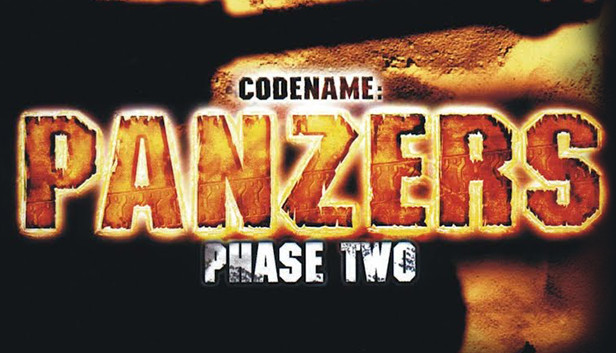
5. Code Name: Armored Forces Division Two #
 Kinguin¥265-90%Steam ¥265Preis ansehen →
Wait, wrong list? Panzers is pure WWII RTS—tanks go boom, zero connection to deckbuilding. You might be thinking of something like Armored Cards? This is a classic real-time strategy sequel from Stormregion, desert campaigns hit hard, but it's definitely not a roguelike deckbuilder—unless you're abstractly "building tank decks with Sherman units." Double-check the appid or move this to a different strategy game list.
6. Reborn with Supernatural Powers #

 Fanatical¥580Steam ¥580Preis ansehen →
Supernatural powers meet Forgotten Hill-style time loops, solved through deckbuilding. Set in 1960s America, a detective uses psychic ability cards—mind reading, precognition, time rewind—to investigate cases, with each death-restart unlocking new clue cards. Core is "memory construction"—intel gathered in early loops becomes critical cards in later rounds, each death bringing you closer to truth. 96% positive with under 1000 players, likely because it disguises roguelike deckbuilding as a text adventure when deck optimization actually runs deeper than Slay the Spire.
7. Destiny Game: Reverse Time to Find the Culprit #
 Kinguin¥1,020-49%Steam ¥1,020Preis ansehen →
Ace Attorney's deduction fused with Slay the Spire's deckbuilding. Solve cases using evidence cards and reasoning card combos, timelines jump chaotically, each loop unlocking new clue cards. Not the traditional deck building grind loop—more like assembling a murder puzzle. Can this witness testimony chain with that physical evidence? Get it wrong, game over, restart. A rare narrative-driven deckbuilder for players who want mental challenge without mindless grinding.
8. Wild Imagination! Summer Feast #
 Steam¥800Preis ansehen →
Ace Attorney's deduction fused with Slay the Spire's deckbuilding. Solve cases using evidence cards and reasoning card combos, timelines jump chaotically, each loop unlocking new clue cards. Not the traditional deck building grind loop—more like assembling a murder puzzle. Can this witness testimony chain with that physical evidence? Get it wrong, game over, restart. A rare narrative-driven deckbuilder for players who want mental challenge without mindless grinding.
9. Sunken Engine #
 Steam¥1,140¥1,900-40%Preis ansehen →
Lovecraftian auto shop, except you repair ships. Each vessel is a deck—hull components, engines, cursed artifacts all function as cards requiring Slay the Spire-style repair sequencing. Twist: client requests hide sanity-draining storylines—one job you're swapping propellers, next you're dealing with tentacles crawling from the cargo hold. Shipyard management meets card-based puzzle solving, 626 reviews at 85% positive, classic case of "hardcore mechanics but art style scares off casuals."






Kommentare 0
Wir freuen uns auf deine Meinung
Beteilige dich an der Diskussion und teile deine Bewertung des Spiels.
Noch keine Kommentare. Teile deine Bewertung.