If we compare the history of action games to a long river, these 11 titles are the lighthouses where you have to moor your boat and pause. They’re not just “fun”; in their own niches, they rewrote the rules. Some use hardcore difficulty and intricate level design to redefine what “challenge” means; some use open worlds and fine-grained slices of life to truly merge “action” and “story”; others use fast-paced shooting and combat-as-puzzle to strap players onto an unprecedented roller coaster of tempo.
This list only includes games with a Steam approval rating between 90% and 95%. From the perspective of overall influence, it looks back at how action games have gradually evolved into what they are today. Some of them are old friends you’ve cleared multiple times; some are spiritual strongholds you’re willing to return to again and again. Maybe, the next time you want to fall in love with action games all over again, you can pick one from here and press “Start” once more.
1. Elden Ring #

 GAMIVO€38.38Steam €38.38Preis ansehen →
Elden Ring is like throwing the entire “Souls-style action” formula into a boundless wilderness, tightly intertwining every drawn sword with exploration. The familiar stamina bar, move reading, and rolling are still ruthless, but now wrapped in a massive map, hidden side quests, and highly flexible stat building. You can assemble your own “rhythm deck” with various weapon archetypes and skills: kiting at range, agile rolling, or tanking in heavy armor—each playstyle can find a stage in this open world. This fusion of traditional hardcore action with extremely high freedom has all but rewritten the design syllabus for future open-world action RPGs.
2. Red Dead Redemption 2 #
 GAMIVO€11.72Steam €11.72Preis ansehen →
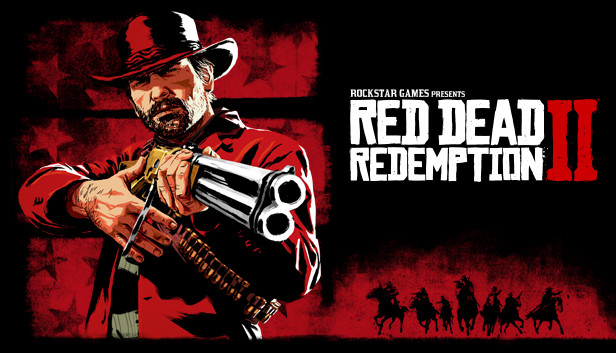
In Red Dead Redemption 2, drawing your gun is just one part of daily life. Its languid pacing lays out camp trivialities and town routines, making every gunshot feel like a period placed by fate. Cover shooting and “Dead Eye” aren’t complex, yet they feel incredibly weighty thanks to rock-solid physics feedback, character animations, and environmental reactions. Every action choice you make while collecting debts, hunting, or meeting strangers on the road adds an invisible “event card” to Arthur’s fate. When the ending rolls in, you can feel the entire open world having recorded every shot and every tug of the reins; this degree of cohesion between narrative and action remains hard to rival.
3. Dark Souls 3 #

 Kinguin€29.83-50%Steam €29.83Preis ansehen →
DARK SOULS™ III is a refined culmination of “Souls-style action.” It polishes every move and rhythm explored in earlier entries into a precise “combat score”: your stamina bar is your deck, and every roll, block, and heavy attack is a card drawn from it. You must insert your combos into the tiny gaps between enemy attack cycles, building a stable “clearing route.” Linking these routes together is a network of multilayered, shortcut-filled levels, like a folded multi-layer map deck. Its influence on the tempo, hit detection, and spatial layout of subsequent high-difficulty action games is impossible to ignore.
4. Dark Souls™: Remastered #
 Eneba€26.01Steam €26.01Preis ansehen →
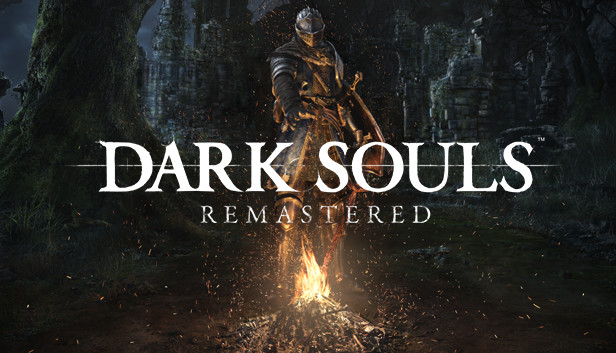
The remaster of DARK SOULS™ is like installing new lighting in an ancient labyrinth. It preserves the original’s rough yet highly logical combat rhythm: slow but steady attack animations and strict stamina management that force you to treat every swing as an irreversible decision. Character builds feel like preparing a long-term “solution” for your adventure: stacking defense for steady progress, or stacking damage for gambled bursts—each allocation yields a radically different experience at the intersection of enemy placement and map structure. This remaster not only makes it easier for new players to get in, but also cements the first game’s foundational status in the history of hardcore action.
5. Team Fortress 2 #
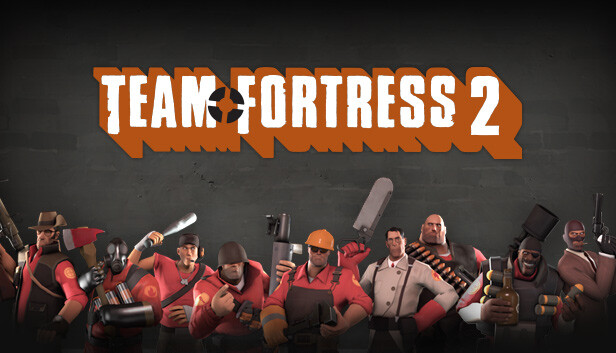
Team Fortress 2 uses nine highly distinctive classes to construct a near-zero-entry yet bottomless action combat system. There are no rigid stat builds; each class’s weapon loadout, mobility, and team positioning together form a real-time “tactics deck”: the Medic injects adrenaline into the front line, the Spy lies in wait for a one-stab turnaround, while the Engineer sets up a “defense board” in the rear. Coupled with a constant stream of community maps and creative modes, it has shaped how team shooters imagine class roles, tempo control, and player creativity for nearly two decades.
6. DOOM: Eternal #
 Eneba€0.32Steam €0.32Preis ansehen →
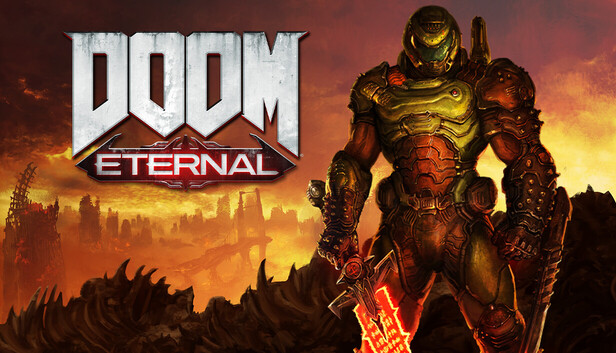
DOOM Eternal is an engine that only runs at full throttle, throwing you into sealed arenas of “combat puzzles.” Ammo, health, and armor are no longer simple refill resources; through executions, the flame belch, and the chainsaw, they’re bound into a loop—you must constantly rush into enemies’ faces and execute this “resource combo” on beat just to maintain the right to keep fighting. Weapon swapping, movement, and targeting weak points mesh tightly, turning each fight into a high-speed jigsaw puzzle. By pushing FPS design toward intensely proactive offense, it fundamentally changes traditional views on pacing and resource management in shooters.
7. Halo: The Master Chief Collection #
 Microsoft Store€39.99Steam €39.99Preis ansehen →
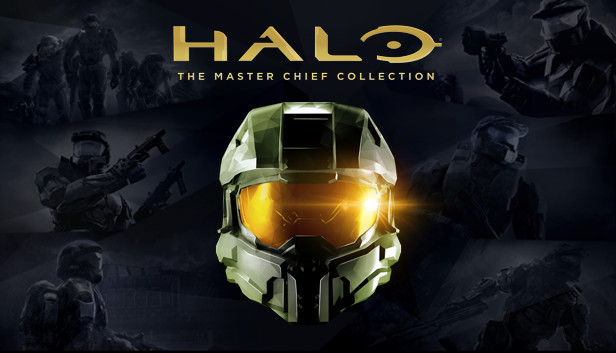
Halo: The Master Chief Collection is like a hefty chronicle of a series, archiving every action moment of the protagonist’s journey from green recruit to seasoned veteran. The early games’ moderately paced combat, dual-wielding, and dual-layer shield-and-health system form the foundation of “Halo-style combat”; later entries expand this foundation with grander campaign set pieces and more open battlefield layouts. For new players, it’s the best entry point for understanding the lineage of modern FPS design; for veterans, it’s a pilgrimage back to familiar “control feel and tactical loadout decks.”
8. Ori and the Blind Forest #
 GAMIVO€4.37Steam €4.37Preis ansehen →
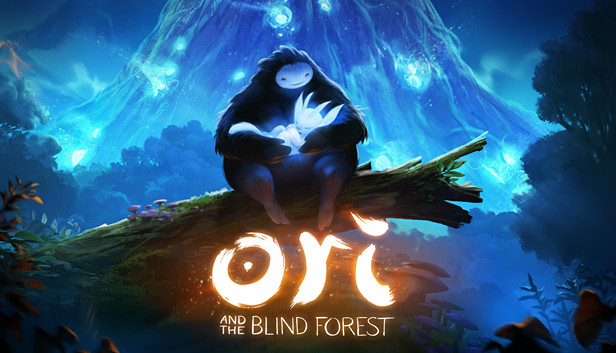
Ori and the Blind Forest turns platforming into a ballet so fluid it’s almost weightless. Jump, double jump, dash, and “charged bash” are like movement cards that gradually unlock and join your “mobility deck” as you progress through the map, turning once unreachable heights and dense woods into new practice stages. The action difficulty is not low, but the gentle atmosphere created by the visuals and soundtrack makes you willing to repeatedly tweak your timing through failure until you carve out a graceful path you’re satisfied with. This balance of tactile challenge and emotional comfort has made it a benchmark for beautiful action platformers.
9. Total War: WARHAMMER II #
 CDKeys€6.40-86%Steam €6.40Preis ansehen →
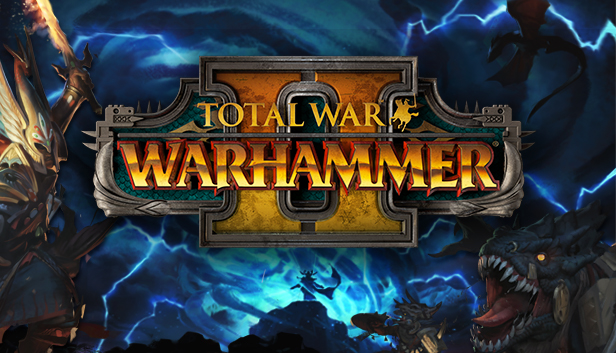
Total War: WARHAMMER II threads together grand strategy and real-time combat with a single vein. On the turn-based campaign map, you’re building a massive “army deck”: your choice of race, unit composition, and tech development defines the deck’s personality; in real-time battles, these “cards” are all played onto the field at once, testing your formations, use of terrain, and command tempo. While its core is strategy, every charge of legions and every giant beast’s assault is an extreme showcase of “action scene direction,” making it a flagship of large-scale “war chess on a battlefield” gameplay.
10. Wolfenstein: The New Order #
 Kinguin€4.89-76%Steam €4.89Preis ansehen →
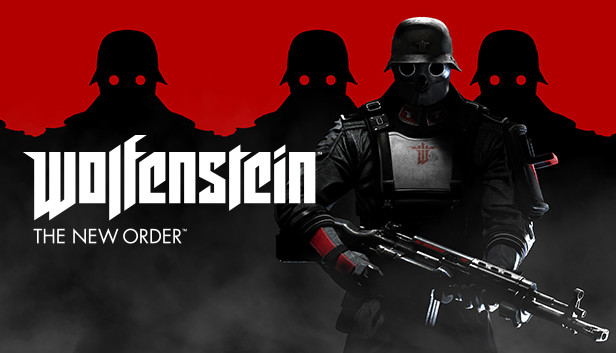
Wolfenstein: The New Order stuffs a linear FPS campaign full of emotional beats and tactical options. You can stealthily eliminate officers one by one to keep combat controllable, or dual-wield heavy weapons and charge straight into enemy lines to solve problems the most direct way—the switch between these styles feels like flipping from defense cards to burst cards within a single turn. At the same time, extensive cutscenes and character monologues give every trigger pull a heavy narrative weight. This tight packaging of story and high-tempo shooting became a clear template for later narrative-driven FPS games.
11. Hatsune Miku Project DIVA MEGA39’s+ #
 GameBillet€12.17-65%Steam €12.17Preis ansehen →
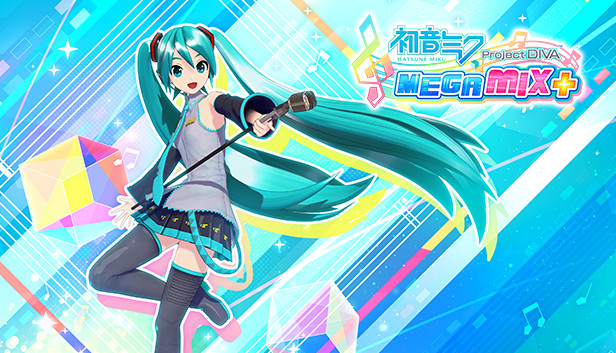
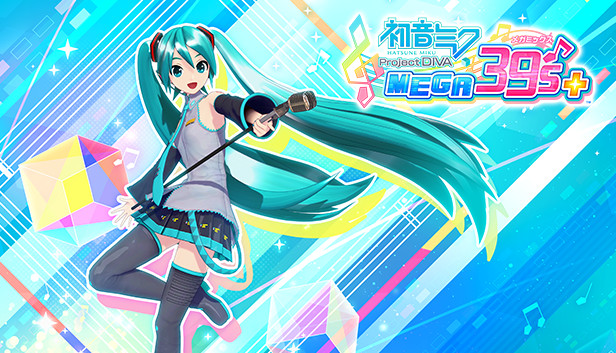
In Hatsune Miku Concert Rhythm Stage, every button you press becomes part of the stage lights and the crowd’s cheers. The high-speed falling note tracks are “rhythm commands” that demand precise combos within limited time; once you get used to them, you’ll naturally start building your own finger-flow patterns, even mentally planning how to “play your cards” over the next eight beats in advance. Rather than traditional action, it’s more like a physical theater made from rhythm—when music, hit feedback, and virtual performance merge into one, it becomes a definitive example of “concert-style action rhythm games.”
These 11 games push the boundaries of action from different directions: some sculpt rhythm through difficulty and exploration, some entwine behavior and narrative in open worlds, and others use fast-paced shooting, large-scale battlefield direction, and rhythm-based input to redefine what “action” means. Together, they form a clear cross-section of how action games have evolved over the past decade and more. If you want to revisit the golden age of this genre or find your next heartbeat-raising starting point, this list can serve as a long-term reliable reference map.





Kommentare 0
Wir freuen uns auf deine Meinung
Beteilige dich an der Diskussion und teile deine Bewertung des Spiels.
Noch keine Kommentare. Teile deine Bewertung.