



















Opening
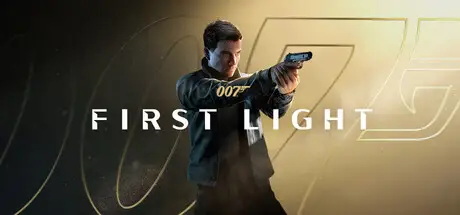
007 First Light takes the stealth sandbox mastery IO Interactive spent a decade perfecting on Hitman and builds a Bond origin story out of it, and honestly it works better than it has any right to. The moment you start earning that licence to kill, the game shifts — suddenly every tool and trick you learned in training becomes lethal, and it feels earned.
IO's Glacier engine delivers their best looking work yet with proprietary volumetric smoke and DLSS 4.5 making every MI6 facility and coastal resort look sharp as a tuxedo on a martini glass. Patrick Gibson makes a young Bond who's still green behind the ears actually feel human, and having David Arnold back alongside Lana Del Rey singing the theme 'First Light' gives it real movie-grade weight. Metacritic pegged it at 87, Steam reviews sit at 91 percent, and it moved 1.5 million copies in its first 24 hours — IO's fastest launch ever.
Here's the thing though — this is a 14-hour single playthrough with almost none of Hitman's replayability. Once the credits roll, you've got little reason to go back. The gunplay and melee are solid but not exactly dazzling, and if you came in expecting pure action without the sneaking, the pre-licence non-lethal restrictions will feel like a leash. The three million copies in two weeks haven't covered the reported 200-million-dollar budget yet, which means there's real pressure on whatever comes next. GoldenEye 007 still sits on a pedestal after nearly thirty years, and First Light doesn't dethrone it — but it doesn't need to. It takes that legacy and builds something IO knows cold: a world where you can sneak in, talk your way through, or go loud, and the choice always feels like yours. If you want a cinematic spy experience with genuine stealth chops, this is the best Bond game in decades. If you need open world freedom or endless replay value, look elsewhere.
Story | 8.5/10
Story: 8.5/10From Rookie to 00-Agent: The Power of a Slow Burn Origin Story

Here's the thing about origin stories — most of them rush. They want you in the action, in the suit, being the icon, as fast as possible. But 007 First Light does something that surprised me: it makes you wait. And that wait is exactly where the story lives. You start as an unnamed MI6 recruit, fresh out of whatever life they had before, and the first three hours are essentially boot camp. Training sequences that double as character establishment. You meet the people who will matter — your handler, your fellow trainees, the instructors who push you until something breaks or hardens. By the time you're handed the licence to kill, you actually feel the weight of it. That non-lethal restriction before you earn that licence isn't just a gameplay mechanic, by the way — it's a narrative cage. You're not Bond yet. You don't get to kill. And that limitation makes the moments where you finally do cut deeper.
The pacing here mirrors what Naughty Dog nailed with Uncharted 4 — that idea that a game can be a prestige drama when it stops trying to be an adrenaline factory every five minutes. First Light gives you breathing room. Conversations in safe houses. Debriefings that reveal more than mission briefs. The relationship between you and your MI6 handler isn't just tutorial flavor text — it has friction, respect, the kind of banter that takes a few hours to click. Patrick Gibson sells every one of those exchanges. He's not doing a Daniel Craig impression or channeling Brosnan charm. He's playing someone who hasn't earned the mythology yet, who is still figuring out if he belongs here. That rawness makes his eventual transformation land. By the final act, when he's making the calls Bond makes, you recognize the person but you also remember who he was in that training camp. That continuity is storytelling craft.
Branching Paths and the Mission Structure That Keeps You Guessing

Now let's talk about how the story actually plays, because First Light doesn't just tell you a Bond origin — it lets you choose which Bond you become. Every major mission has multiple paths: go in loud with guns blazing, slip through as a disguise-wearing ghost, or use the new Bluff system to literally talk your way past checkpoints. And here's what IO Interactive understands that most game studios miss — those aren't just gameplay options, they're story branches. When you assault a compound, Bond is reckless, brutal, making enemies. When you infiltrate, he's calculating, patient, earning trust. When you bluff, he's charming, dangerous, playing a character within the character. The same mission beats play out, but the emotional texture changes depending on how you approached it. That's smart writing through gameplay.
The downside is that this branching doesn't feed into replayability the way Hitman's sandbox does. First Light is a 14-hour single run — you make your choices and that's the story you get. There's no second playthrough built in to encourage you to see the other paths. That's a real miss, especially when you consider the budget conversation. Three million copies in two weeks sounds impressive until you remember this game cost around 200 million dollars to make. The scale is there — global locations, high production values, the Glacier engine looking better than it ever has with that proprietary volumetric smoke system and DLSS 4.5 — but the content footprint is front-loaded. Once the credits roll, there's almost no reason to go back. A few collectibles, maybe, but nothing that reframes the story you just played.
The Cast and the Music: Where the Story Lives and Breathes
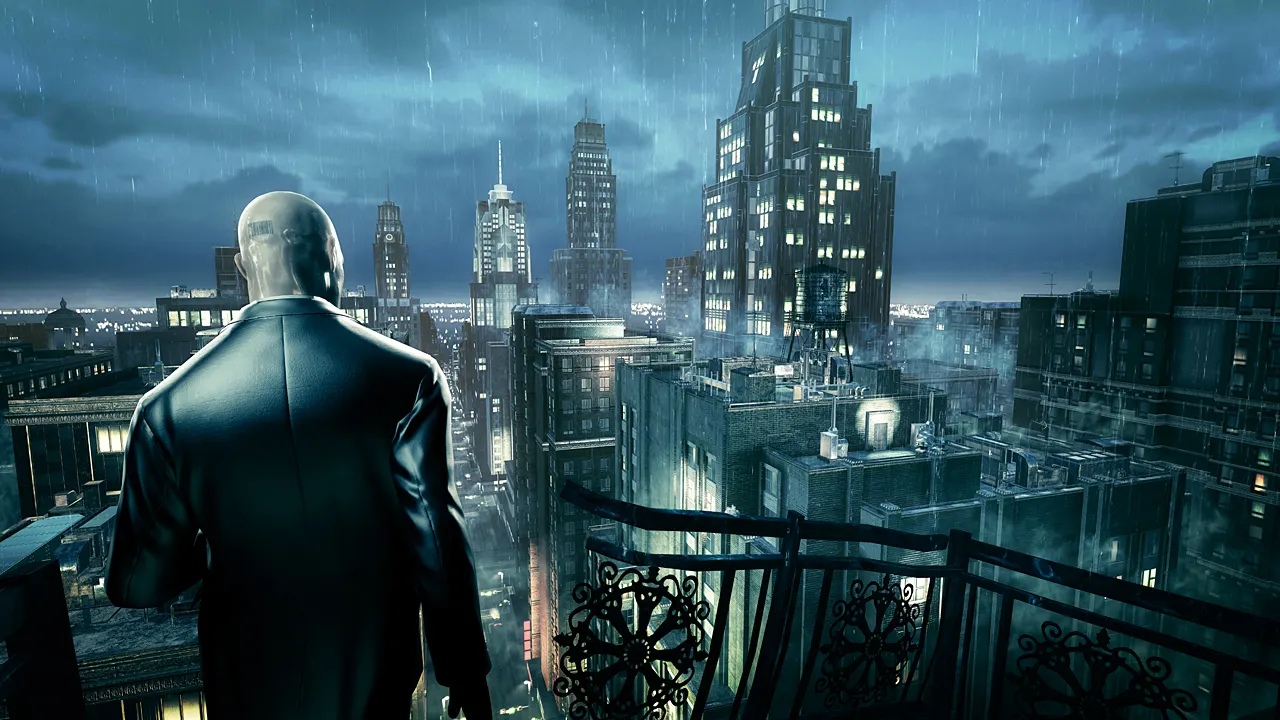
Let's give credit where it's due — this story works because of the people in it. Patrick Gibson isn't just a voice actor filling a role. He brings vulnerability to a character we're trained to see as invincible. When his Bond hesitates, when he makes a mistake, when he cracks a joke that doesn't quite land because he's still learning the game — Gibson sells all of it. Compare him to the best Bond performances in games and he holds his own. GoldenEye 007 from 1997 set the bar with its mix of Pierce Brosnan footage and solid voice work, and First Light doesn't just match that — it surpasses it through sheer cinematic ambition. The motion capture, the facial animation, the way scenes are blocking like a film rather than a cutscene — this is IO's best work since Hitman peaked with Hitman 2 and Hitman 3, and the story dimension is a big reason why.
And then there's the music. David Arnold coming back after Quantum Crisis is a statement — this is a composer who understands the Bond sound at a molecular level. But pairing him with Lana Del Rey on "First Light" is a risk that pays off. The title track drips with that retro-modern melancholy that defines the current Bond era, and it plays over moments that earn the emotional weight. When it kicks in during key story beats, the cinema dial goes to eleven. You feel like you're inside a Bond film, not just playing a game that borrowed the license. That atmosphere carries the story when the pacing occasionally drags in the middle acts. The music tells you this matters, even when the gameplay is doing something routine.
Verdict: A Story Worth Telling, Even If It Only Gets Told Once
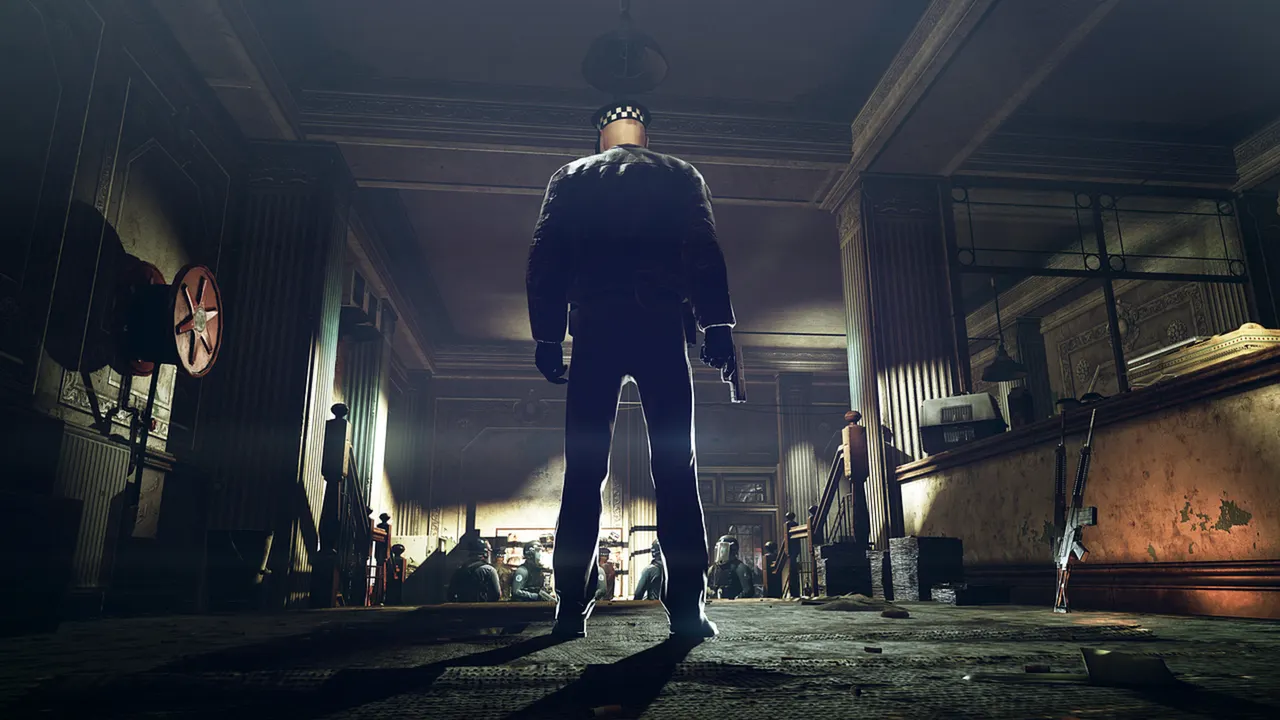
So where does that leave us on the story dimension? An 8.5 out of 10 feels right. 007 First Light tells a Bond origin that actually earns the icon status — you see the work, the growth, the cost of becoming 007. Patrick Gibson carries the weight of that transformation with a performance that feels lived-in rather than performed. The branching mission structure gives you agency over what kind of agent you become, even if that structure doesn't reward a second playthrough. The music and production values push this into genuine cinematic territory, and the David Arnold-Lana Del Rey collaboration is the kind of bold choice that pays dividends.
But this isn't a game for everyone. If you want the sandbox replay of Hitman, you won't find it here. If you want gunplay that matches the stealth depth, the action still shows IO's familiar weaknesses. And if you're expecting the scale of a AAA blockbuster to justify a replayable story experience, the 200 million dollar budget hasn't paid for itself yet — three million copies in two weeks sounds great until you do the math. What First Light delivers is a focused, well-acted, emotionally coherent origin story that treats the player like an adult who cares about character. For that audience, it's a win. For everyone else, it's a well-made film you play once and put down knowing you witnessed something solid.
Audio | 8.5/10
Sound: 8.5/10The Bond Sound Is Back, and It Lands

Right off the bat, the score tells you this isn't some cash-grab spinoff. David Arnold coming back after Quantum of Solace? That's not nostalgia—that's continuity. The man knows how to build tension with a brass sting and make an action cue feel like a cinematic event. But here's the thing, he doesn't just coast on what worked fifteen years ago. The modern thriller elements woven through the orchestral foundation give it this fresh edge while still nailing that unmistakable Bond atmosphere. When you're creeping through a coastal compound at night and those strings swell, it lands harder because Arnold earned that moment with decades of film work. The score doesn't just accompany the action—it elevates every set piece into something that feels like it belongs in the theater. And then there's "First Light" by The Flight with Lana Del Rey singing over the opening. Heavy brass meets that melancholy indie croon? It shouldn't work, but it absolutely does. It sets the tone for the whole origin story—elegant, a little melancholic, and dripping with that pre-legend mystique.
From Trainee to 007: Gibson Makes You Believe

Patrick Gibson doesn't just voice a young Bond—he gives you a reason to care about the guy before he becomes the legend. This is a MI6 trainee who hasn't earned his licence to kill yet, still running on raw talent and ego, and Gibson sells every moment of that journey. The vulnerability shows through when he's restricted to non-lethal takedowns early on—you can hear the frustration in his delivery, the way he has to bite his tongue when a gunfight would be the easier answer. That's not easy to pull off in a video game performance, but Gibson treats every line like it's getting an Oscar clip. The man carries the cinematic weight of the whole experience on his shoulders. Beyond the dialogue, the environmental audio design pulls you into these spaces—the echo of footsteps in a marble MI6 corridor, the crackle of a radio under pressure, the muffled sounds of a crowded gaming floor you're about to infiltrate. IO Interactive's Glacier engine handles the spatial audio well, making each environment feel distinct and alive. The proprietary volumetric smoke system paired with DLSS 4.5 keeps the visuals clean while the sound design keeps you grounded. It's not just about hearing bullets fly—it's about hearing the world react to what you're doing in it. The audio design, the score, and the voice work all pull together to make this origin story feel like a premium Bond film that happens to be playable.
Visuals | 9.0/10
Grafik: 9/10The Glacier Engine: IO's Best-Looking Work Yet
The Glacier engine is the prettiest thing IO Interactive has ever shipped, and it’s not even close. If you’ve played the recent Hitman games, you know the studio can nail a glossy, stylized look, but First Light pushes that baseline into something that actually makes you stop and stare at your screen. IO took the decade‑old Glacier tech they built for the Hitman trilogy, stripped out the clutter, and cranked up the lighting, shadows, and material fidelity to a level that feels like a next‑gen demo while still running on current hardware. That’s a big reason the game landed an 87 on Metacritic and an 88 on OpenCritic — the visual polish is doing a lot of heavy lifting in those scores.
On PC you get full ray‑traced reflections and shadows, plus the DLSS 4.5 multi‑frame generation working overtime to keep the frame rate from collapsing under that fidelity. On consoles the story is a little more modest, with the ray tracing dialed back a notch. The difference is noticeable if you’re side‑by‑side, but the console versions still look clean enough that you won’t feel ripped off. The engine also powers the in‑game watch UI, which stays out of the way and never feels like a cluttered HUD — a small touch that keeps the spy fantasy intact.

Volumetric Smoke and DLSS 4.5: The Technical Signature
Here’s the thing: IO isn’t just leaning on a pretty engine — they’ve added a proprietary volumetric smoke system that nobody else has pulled off in a game of this scope. The Smoke Pod gadgets you carry create thick, believable clouds that react to light, obscure enemy sightlines, and give the stealth gameplay a real tactical edge. The smoke isn’t a static texture; it’s a dynamic volume that breathes, shifts, and disperses based on movement, which makes every firefight or infiltration feel like you’re operating inside a living environment. It’s a genuine technical showcase, and it’s the kind of feature that makes you appreciate the extra dev time that went into First Light.
To keep that visual feast running smoothly on PC, IO teamed up with NVIDIA and bolted on DLSS 4.5 with dynamic multi‑frame generation. In plain English, the game renders fewer native frames and then inserts extra frames on the fly, so you get the smoothness of a higher framerate without burning out your GPU. On a mid-range PC, DLSS 4.5 can hold a smooth 60fps even with the smoke and ray tracing cranked up — solid for a game that looks this detailed. Consoles don’t get DLSS, but they do get a version of the volumetric smoke that’s been optimized to run on the console hardware, so you’re still getting the effect, just at a lower fidelity ceiling.

From Frozen Tundra to Sun‑Kissed Resorts: Scene Identity
Look, a lot of games nail one environment and then copy‑paste it across every level. First Light doesn’t do that. IO has built distinct visual identities for each location, ranging from the stark, windswept Nordic snowfields where you first train, to the bright, sun‑drenched coastal resorts that show up later in the story. The art direction team clearly took cues from Ian Fleming’s original novels and the classic film series, using color grading, texture work, and lighting to make each setting feel like a different spy postcard. The snow levels have a cold, blue‑gray palette with crisp, reflective ice; the resort levels shift to warm amber tones, soft haze, and a slightly more saturated look that screams Mediterranean getaway.
What’s really impressive is how the engine translates those artistic choices into real‑time lighting. The Nordic stages use high‑contrast daylight with strong rim lighting that makes Bond’s silhouette pop, while the coastal stages lean on golden‑hour lighting with soft fog drifting in from the sea. Both settings are rendered with the same level of detail — high‑resolution textures, physically based materials, and subtle ambient occlusion — so the transition never feels like a drop in visual quality. The game’s visual variety is a big part of why the campaign feels cinematic rather than repetitive, and it’s a direct result of IO’s willingness to invest in art assets that match the storytelling ambition.

UI and HUD: Minimalist Spy Gear That Doesn’t Get in the Way
The UI in First Light is refreshingly clean. Instead of cluttering the screen with health bars, ammo counters, and quest markers, IO strips everything back to a sleek, diegetic interface that feels like it belongs in a Bond film. Your watch acts as the primary HUD — it displays health, gadget ammo, and objective hints through subtle animations and icons that only appear when you need them. The result is that you’re never pulled out of the immersion by a garish overlay; instead, the UI integrates with the world and adds to the fantasy of being a slick MI6 operative.
The game also uses contextual prompts that fade in and out smoothly, so you get guidance without the screen feeling like a tutorial wall. Menu navigation is straightforward, and the options for color‑blind modes or HUD scaling are tucked away in the settings without being shoved in your face. In short, the UI is functional, stylish, and respects the player’s attention — exactly what you want when you’re sneaking through a high‑stakes mission. It’s a small detail, but it’s one of those touches that makes the whole graphics package feel cohesive and polished.

Combat | 8.3/10
Gameplay: 8.3/10The Hitman-to-Bond Transfer That Actually Works

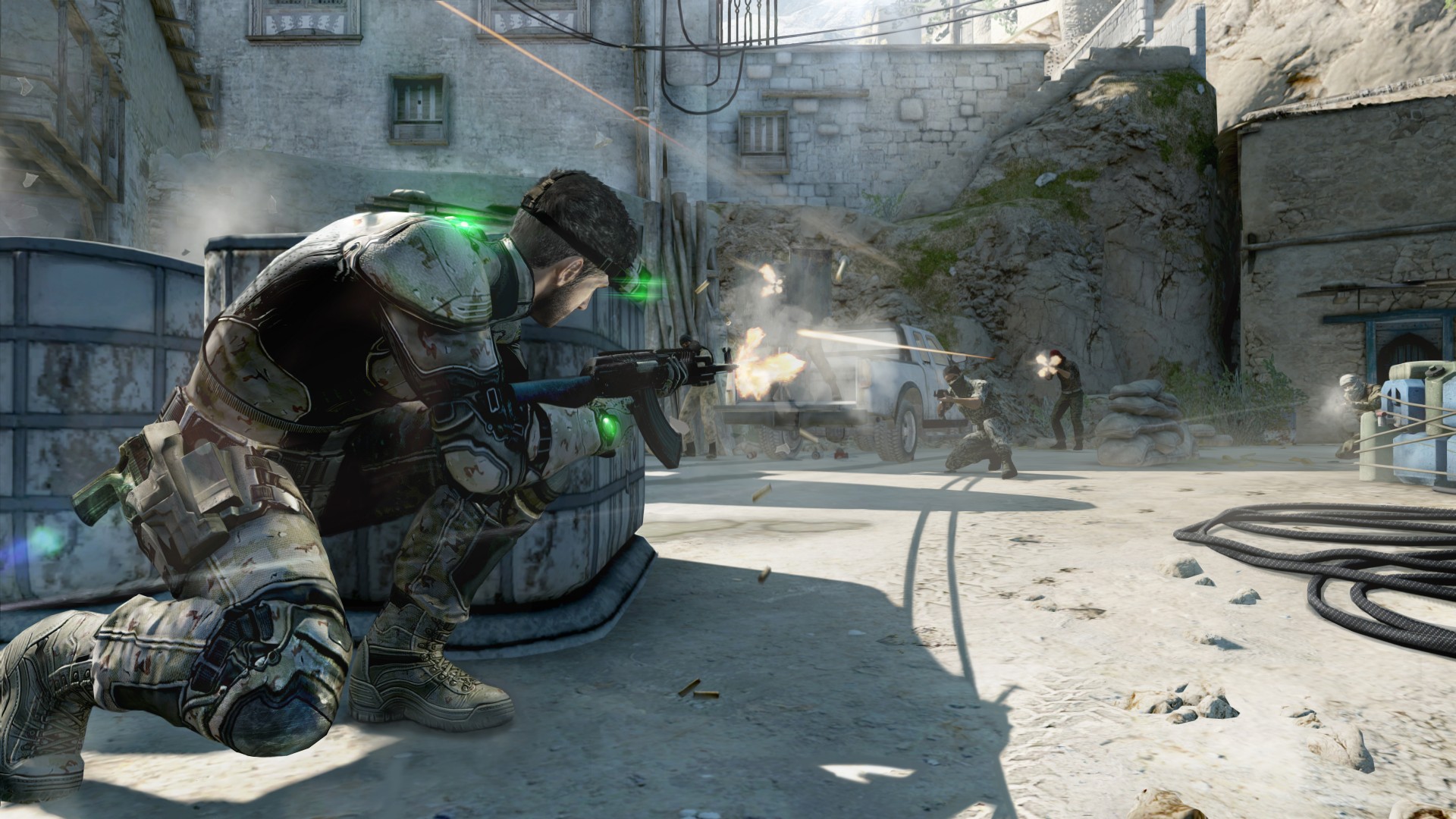
Here's the thing — IO Interactive spent a decade perfecting the art of making you feel like a genius for finding the back door. Hitman's sandbox model taught players that there's always more than one way through a level, and that same DNA runs straight through 007 First Light. The moment you land in a mission, you're not on rails. You can suit up as a waiter, slip through a service corridor, and put someone to sleep with a sleeper hold — or you can go loud, drop a smoke pod, and blast your way out. The game doesn't punish you for either choice. It rewards you for thinking.
The Glacier engine is doing heavy lifting here. This is IO's best-looking work yet — proprietary volumetric smoke means every room has atmosphere, every cover point has visual weight. The NVIDIA DLSS 4.5 dynamic multi-frame generation keeps it smooth even when you're running through a resort full of guards at 60fps. You're not just seeing pretty screenshots; you're moving through spaces that feel alive and reactive. The small tools — Shockwave Camera, Laser Strap, Smoke Pod — give you loadout flexibility per mission. You can approach a compound with stealth gear and switch tactics mid-run if things go sideways. That's the Hitman philosophy showing up in Bond's world, and it works because both franchises live in the same idea: player agency over prescribed solutions.
Gunplay and melee are solid but honest — IO isn't trying to compete with pure shooters here. The shooting feels weighty enough, the hand-to-hand has snap, but you can tell this studio's heart lives in the planning phase. For players coming from Hitman, the transition is seamless. For anyone expecting Call of Duty-style firefights, you'll get something more considered — and that's a feature, not a bug.
Bluffing Your Way Through MI6

This is where 007 First Light gets interesting. The Bluff system gives you a verbal lane through missions. You can walk right up to an enemy guard, start talking, and talk your way past. No stealth suit, no silenced pistol — just your wits and the right words. IO built an entire layer of gameplay around the idea that Bond doesn't always solve problems with bullets. Early in the game, before you earn your licence to kill, you're operating under strict non-lethal rules. That constraint sounds limiting, but it actually forces you to engage with every system the game offers. You can't just shoot your way out — you have to think, to use the environment, to work the Bluff mechanic, to pick your moments.
Patrick Gibson plays young Bond as someone who hasn't earned his reputation yet. He's eager, occasionally reckless, and that energy matches how the game feels to play. You're not the legendary 007 yet — you're someone proving themselves through every mission. The roughly 14-hour campaign gives you enough time to master the tools without overstaying your welcome. No sandbox replay like Hitman, which means once the credits roll, there's not much pulling you back. That's the trade-off — tight, cinematic pacing instead of infinite replay loops.
The comparison to GoldenEye 007 is inevitable — that game set the Bond game standard nearly thirty years ago. 007 First Light doesn't try to replace it; it builds on it. Modern cinematic presentation, Hitman-grade infiltration depth, and a fresh verbal mechanic give this one a different identity. You won't get the nostalgia hit, but you will get a more complete Bond experience in terms of what you can actually do in-game. At 8.3 out of 10 for gameplay, it earns its score — IO made a spy game that respects your intelligence and gives you real options to work with.
Content | 7.0/10
Umfang: 7/10A Solid 14-Hour Ride That Doesn't Outstay Its Welcome
Here's the thing — this isn't some forty-hour open-world grind designed to pad your playtime with fetch quests. You're looking at roughly fourteen hours of main story, and with the training camp factored in, you're sitting around fifteen to twenty hours total depending on how much optional side content you chase. That's it. And honestly? That's exactly what this game needed.
IO Interactive didn't try to turn Bond into a bloated RPG. They made a tight, cinematic campaign — one that moves like a thriller and respects that your time matters. The three-hour training camp up front is genuinely smart because it teaches you the Bluff system, the stealth lanes, and how to actually think like an agent before throwing you into real missions. Once you're past that, the pacing shifts. Each mission feels like a set piece, with clear objectives, multiple routes, and that satisfying loop of plan, execute, adapt. You're not wandering around a map looking for collectibles. You're moving from one well-designed scenario to the next, and the game trusts you to handle it.
The length works because it's dense. Every hour earns its place. There's no filler, no repetitive side missions that feel tacked on just to inflate the number. You get about twenty hours of quality content, and then the credits roll. For a game trying to tell a focused origin story about how Bond becomes Bond, that's the right call.
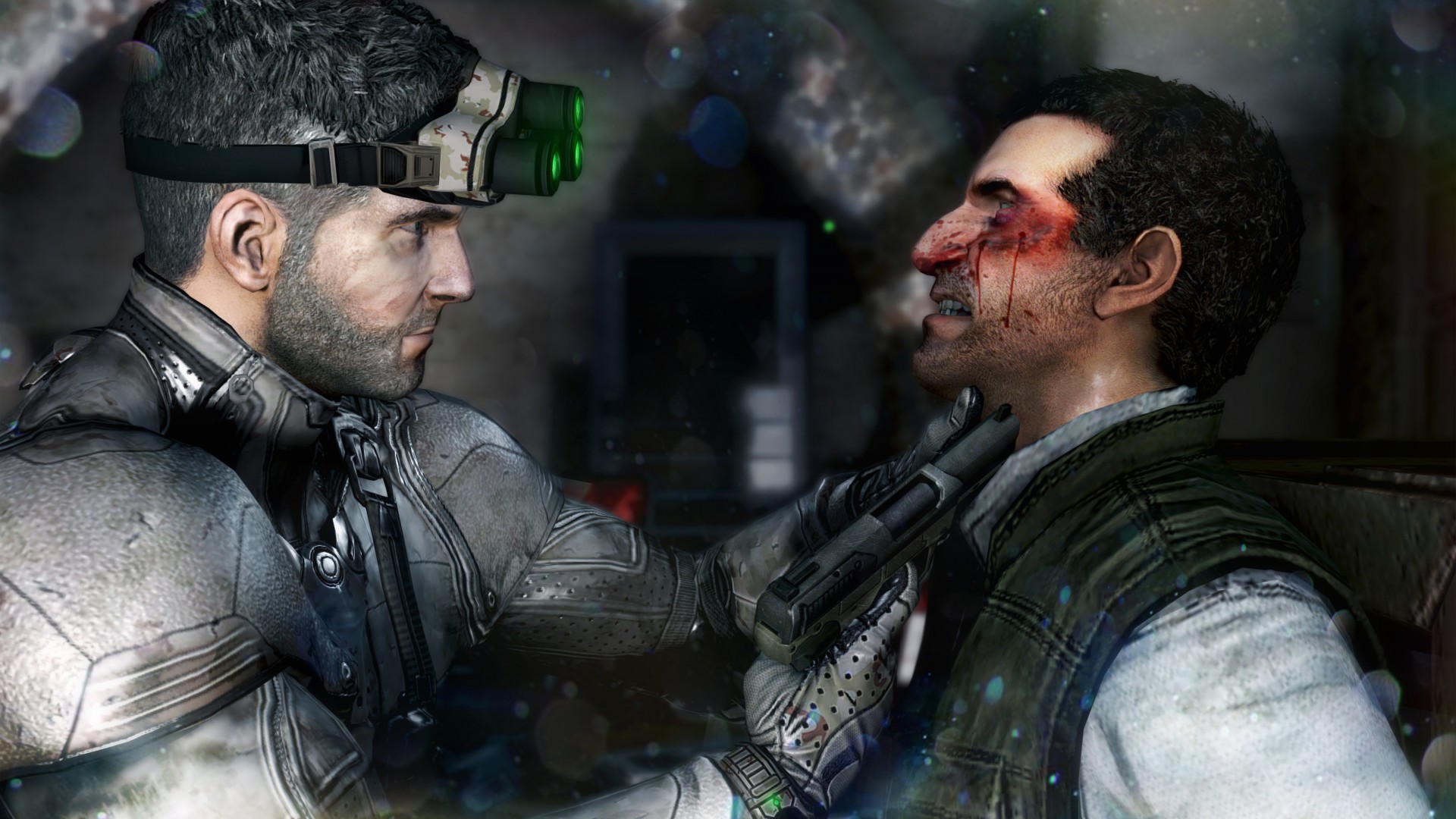
The Replayability Problem Nobody's Talking About
Now here's where I have to be honest with you — and this is the catch — once you finish the campaign, there's not a lot pulling you back. Yeah, you can replay missions and take different paths. Disguise, infiltration, full assault — the game gives you three distinct lanes per mission, and if you're the type who wants to see how every route plays out, you might get another five or six hours out of that. That's valid. But it's not the same as what Hitman offers with its sandbox structure, its escalations, its endless replay loop. IO built their reputation on games designed to be replayed over and over with different approaches. This? It's a one-and-done narrative experience with optional replay value on top.
The other thing — there's no DLC announced yet. No roadmap, no post-launch content, nothing. You bought the game, you played it, you loved it or you didn't, and that's the whole story. For some players, that's totally fine. They got their twenty hours, they're satisfied, they're moving on. But for a game that cost around two hundred million dollars to make and has only moved three million copies in two weeks — which sounds great until you do the math — that lack of long-tail content is a real concern. This isn't a live service title, and it's not trying to be, but the commercial pressure is real. They needed this to recoup, and right now the numbers suggest it's close but not there yet.
The multi-path design gives you a reason to come back, but it's a thin reason. If you're someone who lives for sandbox replay and constant updates, this isn't your game. If you want a tight, movie-like experience you can sink into over a weekend and then move on from, this delivers exactly that. The content is solid. The density is there. But the long-tail ecosystem? That's where this game quietly struggles, and I think it's worth acknowledging because it affects how you'll feel about your purchase six months down the line.




Kommentare 0
Wir freuen uns auf deine Meinung
Willkommen! Teile deine Meinung zu diesem Spiel – wer zuerst schreibt, wird vielleicht überrascht.
Noch keine Kommentare — teil uns deine Meinung zu diesem Test mit!