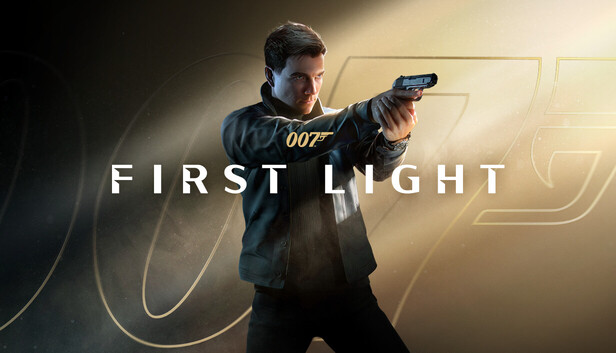
 007 First LightFetching price~ 69,99€
Beliebte TippsAlle ansehen
123456789101112
12 Best Mystery Games on PC (2026)
12 Best Space Sim Games on Steam (2026)
12 Best Story-Rich Games to Play (2026)
12 Best Turn-Based Tactics Games on Steam (2026)
12 Best Puzzle Games on Steam (2026)
12 Best Games to Play with Friends on PC (2026)
12 Best JRPGs on Steam (2026)
12 Best City Builder Games on Steam (2026)
12 Best Zombie Games on Steam (2026)
12 Best Free Indie Games on Steam (2026)
12 Best Short Indie Games to Try (2026) — Done in One Evening
12 Best Cozy Games on Steam (2026)
Beliebte ähnliche SpieleAlle ansehen
Games Like PowerWash Simulator - 12 Best Relaxing Cleaning and Restoration PicksGames Like ARC Raiders - 12 Best Extraction and Co-op Survival ShootersGames Like PEAK - 12 Best Co-op Climbing and Survival PicksGames Like R.E.P.O. - 12 Best Co-op Horror PicksGames Like Clair Obscur: Expedition 33 - 12 Best Turn-Based RPG PicksGames Like Path of Exile 2 - 12 Best Action RPG and Loot PicksGames Like Road to Vostok - 12 Best Hardcore Survival Shooter PicksGames Like Mina the Hollower - 12 Best Top-Down Action and Zelda-Like PicksGames Like Slay the Spire 2 - 12 Best Roguelike Deckbuilders to Play NextGames Like Resident Evil Requiem - 12 Best Survival Horror PicksGames Like Baldur's Gate 3 - 12 Best CRPGs and Turn-Based RPGsGames Like Monster Hunter Wilds - 12 Best Co-op Hunting and Action RPG PicksGames Like Hollow Knight: Silksong - 12 Best Metroidvania Picks (2026)Games Like Dead by Daylight - 12 Best Asymmetric & Co-op Horror PicksGames Like Final Fantasy VII Rebirth - 12 Best Action RPG & JRPG PicksGames Like Forza Horizon 6 - 12 Best Open-World Racing & Driving Picks (2026)Games Like Solarpunk - 12 Best Cozy Survival and Crafting GamesGames Like 007 First Light - 12 Best Stealth and Spy GamesGames Like Subnautica 2 - 12 Best Underwater and Alien-World Survival GamesGames Like Hell Let Loose - 12 Best Tactical Milsim Shooters
Beliebte TestsAlle ansehen

Hades II — Test

Clair Obscur: Expedition 33 — Test

Katana ZERO — Test

The Long Dark — Test

Shift At Midnight — Test

Middle-earth™: Shadow of Mordor™ — Test

The Mermaid Mask — Test

Killing Floor 2 — Test

The Outlast Trials — Test

American Truck Simulator — Test

Voidling Bound — Test

Go-Go Town! — Test

Desktop Explorer — Test

Dead as Disco — Test

Crushed In Time — Test

Beastro — Test
Can 007: First Look Break TGA's Pattern of Oversight?
Why Licensed Games Keep Hitting a Glass Ceiling at The Game Awards
Polygon columnist Oli Welsh argues that IO Interactive's 007 First Light, now on PC, Xbox, and PS5, faces an invisible barrier on its path to a Game of the Year nomination—the industry's persistent dismissal of licensed adaptations by TGA voters.
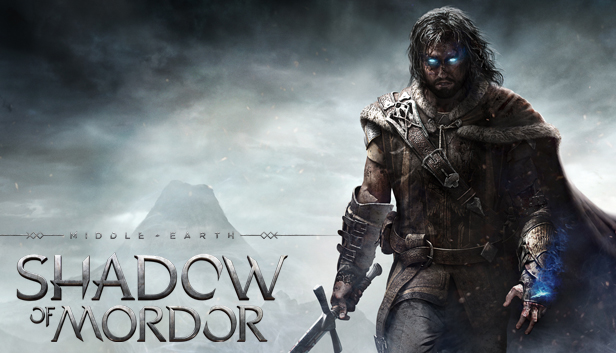
In twelve years of TGA history, only three licensed games have ever cracked the GOTY shortlist: Middle-earth: Shadow of Mordor (2014), Marvel's Spider-Man (2018), and Marvel's Spider-Man 2 (2023). The Witcher 3 doesn't count—its IP has long since been reclassified as a gaming property rather than a literary one. That leaves a remarkably thin roster for a medium that draws heavily from film, television, and literature.
Welsh's sharpest observation cuts to the core of this bias: James Bond may be a titan in cinema, but among players, he simply isn't Leon S. Kennedy. The implication stings because it's accurate. Licensed IPs carry baggage that original properties don't—studio mandates, canon constraints, and the lingering perception that these are cash-ins rather than creative works. That perception, however unfair, shapes how industry voters evaluate nominees.
2009 offered a glimpse of what was possible. Rocksteady Studios broke the "licensed game = garbage" stereotype with Batman: Arkham Asylum, proving that adaptation could carry more soul than originality. Yet twelve years later, that breakthrough remains the exception rather than the rule. Games like Alien: Isolation, Batman: Arkham Knight, Star Wars Jedi: Fallen Order, Star Wars Jedi: Survivor, Marvel's Guardians of the Galaxy, Hogwarts Legacy, and Indiana Jones and the Great Circle—each commercially and critically successful—never received a GOTY nomination despite their quality.
007 First Light isn't short on ambition. Its young Bond premise offers genuine mechanical novelty, and by all accounts it executes well. But the TGA's voter base has settled into treating original narratives and fictional worlds as the primary markers of artistic merit. Licensed IP brings name recognition alongside original sin—it whispers that this isn't purely a "gamer's" creation, but a slice of cinema's revenue stream.

Whether that logic should govern how we assess games as art remains genuinely open. What seems less debatable is that the medium's most prestigious stage has institutionalized a blind spot. If TGA overlooks 007 First Light again this year, the loss belongs to the awards, not the game. A game's worth was never defined by a trophy—and certainly not by whether a panel of voters deemed it "original" enough to matter.








Kommentare 0
Wir freuen uns auf deine Meinung
Beteilige dich an der Diskussion und teile deine Bewertung des Spiels.
Noch keine Kommentare. Teile deine Bewertung.