News
Bunny Garden 2 Adds Twin-Tail Lolita Roro in New Update
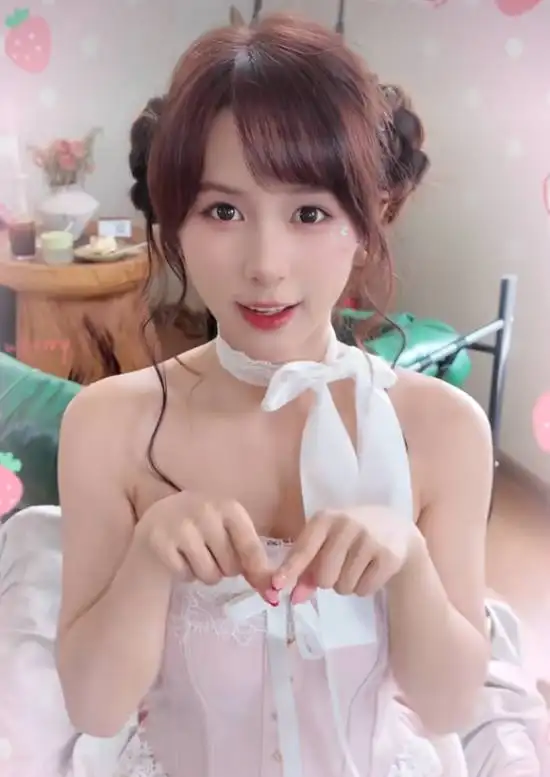
Bunny Garden 2's new 10-second trailer shows a twin-tailed lolita character in a sweet-yet-cutting promo. With six heroi











In 2003, GTA3 was selling millions worldwide, and the industry rushed to replicate its violent, adult-oriented formula. That same year, Shigeru Miyamoto told interviewers that Nintendo's job wasn't to copy others' success—it was to offer unique experiences and alternatives. Two decades later, that statement reads less like PR spin and more like a mission statement the company actually followed.

The Legend of Zelda: The Wind Waker launched that year with cel-shaded visuals that drew immediate backlash. Players called the art style "childish" and questioned whether it belonged in a Zelda game. Miyamoto's team didn't budge. They stuck to creating games both children and adults could enjoy, and they held their moral line. Commercially risky, sure—but it preserved something Nintendo games still have: a kind of purity that doesn't need violence or shock value to justify depth.

The Wind Waker is now a series classic. Nintendo's recent releases—Tears of the Kingdom, Super Mario Bros. Wonder—keep proving that creativity and fun don't require adult packaging. That philosophy feels rare now. While other studios pile on photorealistic gore and moral ambiguity to signal "maturity," Nintendo took the harder, longer road: letting games be games.
Miyamoto's 2003 comment turned out to be predictive. Twenty years in, Nintendo showed that ignoring trends doesn't mean falling behind, and holding standards doesn't mean playing it safe. They just knew what kind of games they wanted to make and who they wanted to serve. In a market drowning in homogeneous AAA titles, that clarity is the scarcest resource.


Kommentare 0
Wir freuen uns auf deine Meinung
Beteilige dich an der Diskussion und teile deine Bewertung des Spiels.
Noch keine Kommentare. Teile deine Bewertung.