News
Nintendo Switch 2 costs are rising, but its price is still unclear
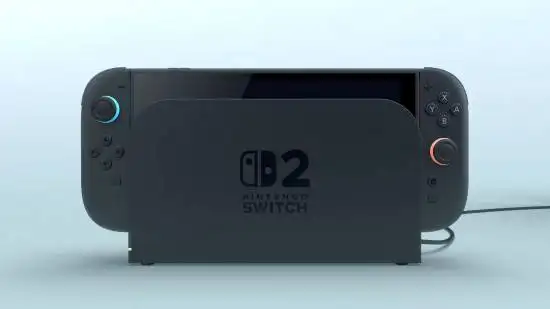
Nintendo has confirmed higher Nintendo Switch 2 costs, but pricing remains unclear. At today’s share
















According to Nintendo president Shuntaro Furukawa’s latest investor briefing, Switch 2, which launched in June 2025, is being managed on a long-term track much like the original Switch, with Nintendo hoping the system can last roughly eight to nine years. Read in the context of Nintendo’s past decade, the message is straightforward: this is not a machine built around a huge launch spike and a fast replacement cycle. It is a platform Nintendo intends to support over time.
That reading fits the company’s track record. Since debuting in March 2017, the original Switch has been on the market for nearly nine years and has sold more than 155 million units worldwide. What kept it going was not just stable hardware, but evergreen software such as Mario Kart 8 Deluxe and Animal Crossing: New Horizons, games capable of repeatedly bringing in new players and drawing old ones back. Nintendo also extended the platform’s lifespan through hardware revisions, including the handheld-only version and the OLED model.

Viewed through a simulation or sandbox lens, Nintendo’s logic here feels like running a long save file. First, build the population slowly. Then keep adding new content to the map so players entering at different stages still have a place in the ecosystem. Furukawa’s line about preparing a “strong software lineup” is really the core of that strategy. The point is not to win attention with one big hardware flex, but to keep the platform relevant through steady software support.
That also explains why, even with the original Switch nearing its 10th anniversary, Nintendo is still releasing first-party games for it, including Tomodachi Life: Living the Dream and Rhythm Heaven Groove. The company is not clearing out the old platform overnight. It is keeping existing users inside the ecosystem while giving the new platform a smoother ramp-up. For players, the obvious upside is that there is no need to migrate immediately. For Nintendo, the benefit is reducing the user drop-off that can make a generation transition so risky.

So far, Switch 2 does seem to be following that path. In its launch year, it already has Mario Kart World and Donkey Kong Bananza on the board. In 2026, Pokémon Pokopia is described in the article as a breakout hit, while Star Fox is scheduled for release next month. Combined with cumulative sales that the article says are already nearing 20 million units since the global launch last June, that suggests the console has cleared the first major hurdle of any long-term platform plan: the user base is forming, and the software pipeline has not stalled.
There is, however, one very practical variable. Nintendo itself has acknowledged “changes in the market environment,” and it has recently raised Switch 2 prices worldwide. That will directly affect how quickly more hesitant buyers decide to jump in. My buying advice is fairly simple: if Mario Kart World or other launch-window games have already sold you on the platform, and getting into the new ecosystem early matters more than the price increase, it makes sense to buy now. If you still own a first-gen Switch and care more about value and possible later hardware revisions, it makes more sense to wait through another one or two rounds of software announcements and hardware adjustments before deciding.

The broader signal from Nintendo is familiar. Its hardware strategy is centered on longevity, not a short sprint. The original Switch stayed alive through content and extended its life through revised versions, and Switch 2 clearly looks set to follow the same route. For players who prefer a stable ecosystem, that is reassuring. For those who would rather wait until the platform matures, it also means there is no need to rush—Nintendo appears ready to play this game for many years.
Kommentare 0
Wir freuen uns auf deine Meinung
Willkommen! Teile deine Meinung zu diesem Spiel – wer zuerst schreibt, wird vielleicht überrascht.
Noch keine Kommentare. Sei der Erste!