News
Is Phantom Blade Zero Coming? ASUS May Have Claimed the First Spot
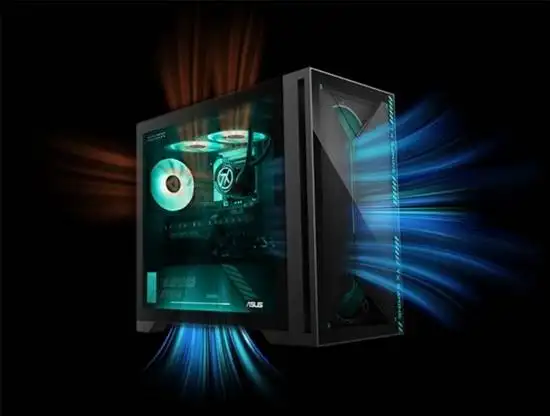
ASUS has unveiled the Tianxuan 7X gaming PC, pitching action titles like Shadow of the Blade Zero an
















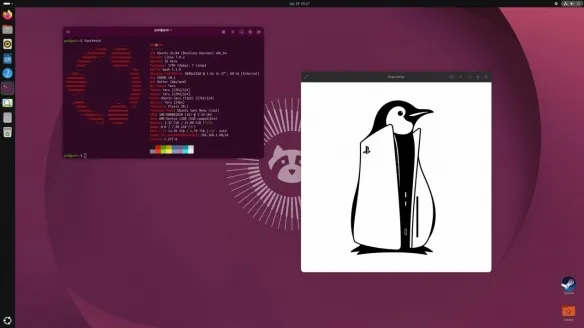
What Linux gamers have been waiting for this time isn’t a minor tweak to the specs on paper, but an optimization that cuts straight into the core of the experience. Valve recently announced that it has begun gradually rolling out an update aimed at devices with low VRAM, with a focus on entry-level discrete graphics cards and handheld gaming devices. For players who are constantly struggling at the edge of 8GB VRAM, this kind of update matters more than simply gaining a few extra frames, because it directly targets the most frustrating real-world issues: stuttering, VRAM overflow, and inconsistent visuals.

Valve’s approach this time is very clear: prioritize limited VRAM for the game currently running, while reducing how much background programs compete for GPU memory. In other words, the system no longer lets games and background apps fight head-on in the same lane, but instead ensures stable output for foreground workloads first. According to the official information released, this adjustment can address the root causes of pain points for low-VRAM devices running games under Linux, especially sudden frame drops, brief freezes, delayed texture loading, and texture pop-in.
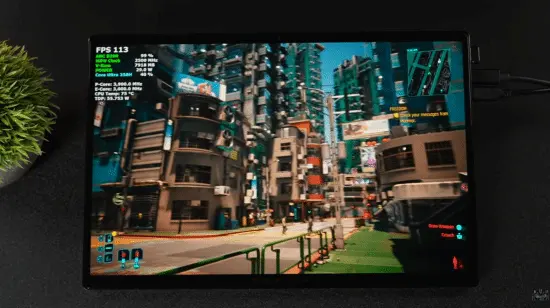
If you usually play on a handheld or a graphics card with 8GB VRAM, chances are you’ll notice this update quite directly. Previously, what these devices feared most under Linux was VRAM filling up—once that happened, either the visuals would start to hitch, or the game would crash outright, making the experience feel like a tire blowing out on the final lap. Valve also explicitly stated, “It is worth noting that this optimization brings the most noticeable improvements to graphics cards with 8GB VRAM and handheld gaming devices.” Based on feedback from users so far, smoothness on some lower-spec Linux devices is already noticeably more stable than before the update.

Another point worth paying attention to is that this update offers the best support for AMD Linux systems. This means AMD hardware, which already has a strong presence in the Linux gaming ecosystem, has a chance to further turn its efficiency advantage into more stable real-world performance. For players who value cost-effectiveness, this kind of optimization is more meaningful than simply chasing higher-end specs, because it helps existing devices run more smoothly instead of forcing you to upgrade your entire platform right away.
From a broader trend perspective, Valve’s move feels a lot like shoring up the “basic driving feel” of the Linux gaming ecosystem. High-end devices can, of course, brute-force their way through problems with sheer performance, but what really determines a platform’s reputation is often whether mid-range and low-end users can play reliably. My suggestion is that if you already game on Linux—especially with a graphics card that has 8GB VRAM or a handheld device—you should keep an eye on the rollout of system updates; this kind of optimization won’t instantly push your hardware into a whole new class, but it will very likely smooth out the hitches that most affect immersion. For Valve, this may not be the noisiest update, but it is one of the upgrades most closely aligned with players’ day-to-day needs.



Kommentare 0
Wir freuen uns auf deine Meinung
Willkommen! Teile deine Meinung zu diesem Spiel – wer zuerst schreibt, wird vielleicht überrascht.
Noch keine Kommentare. Sei der Erste!