

If you hand over your weekend family time to a game, what do you care about more? The sense of achievement from clearing levels together, or the fun of light‑hearted trash talk while playing against each other? Looking at Steam data, games that can truly support “family sessions” share a few traits: they support co-op or turn-based participation, have a relatively forgiving pace, visuals and themes suitable for different age groups, and enough long-term depth so you don’t get bored after just two nights. Based on user ratings, review counts, and online performance, this article re-ranks a list of games from the perspective of “parent‑child compatibility”: it includes MMO‑scale open worlds, classic RTS and light strategy games, aiming to cover families of different ages and gaming backgrounds.
1. Sea of Thieves: 2025 Edition #
 Blizzard$39.99Steam $39.99View price →
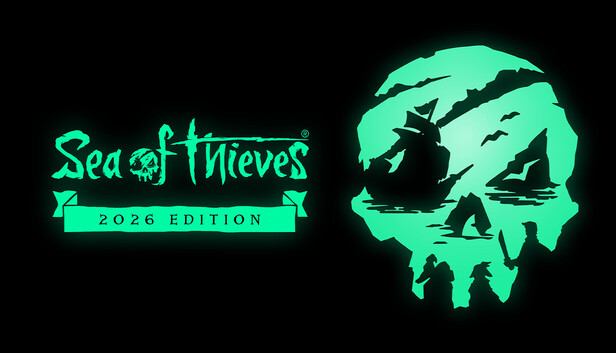
From the data, Sea of Thieves is the archetypal “whole family goes exploring” game: 310k+ reviews and consistently high concurrency show it’s not only popular, but actually retains players. 4‑player co-op perfectly matches a small family: one steers, one reads the map, one handles the sails, naturally encouraging division of labor and collaboration. There’s no hard grind pressure, and the cost of failure is low; it feels more like a continuously updated pirate theme park. For parents, it’s an introductory course in open worlds for kids; for kids, it’s the most intuitive “laboratory” for learning how important teamwork really is.
2. Grounded #
 Microsoft Store$19.99-50%Steam $19.99View price →
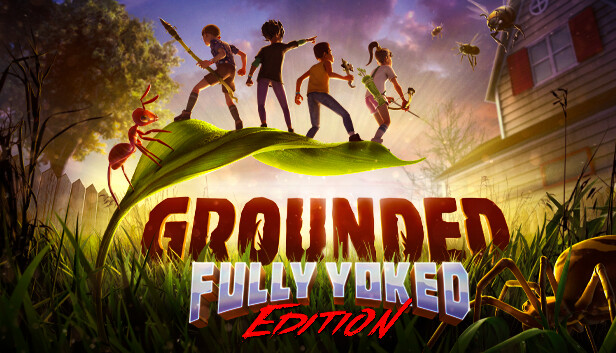
With a 90% positive rating and 70k+ reviews, Grounded’s “backyard survival” has an exceptionally stable reputation among parent‑child players. 4‑player co-op lets each family member find their own role: parents plan resource usage and base layout, while kids handle gathering, combat, and exploration tasks. The tiny-bug perspective is novel while avoiding the gore and oppression common in traditional survival games; the tension is scary in a suspenseful way rather than gross. The system depth supports dozens of hours of “build our home together” projects, making it the kind of long-term family plan where you log in every weekend for months to “do some renovations”.
3. Plants vs. Zombies™ Garden Warfare 2: Deluxe Edition #

 Steam$8.99$29.99-70%View price →
In the niche scenario of “a child’s first shooting game”, its data is highly convincing: 90% positive, nearly 42k reviews. Third‑person shooting combined with tower‑defense‑style stronghold defense makes for a relaxed pace, and generous auto-aim and forgiveness let kids quickly enjoy the fun of shooting without being scared off by complex guns and recoil. The cartoony style and lack of blood lower the psychological barrier for parents. Both PVE and light PVP modes support parent‑child teaming; you can explain “class roles” and “positioning” while playing, making it a safe entry point into shooter games.
4. LEGO® Star Wars™: The Skywalker Saga #

 Eneba$4.81Steam $4.81View price →
With 90% positive ratings and 37k+ reviews, LEGO Star Wars is almost the standard answer for “parent‑child local co-op”. The LEGO + Star Wars combo naturally bridges two generations: parents know the universe, kids laugh at the exaggerated LEGO dismemberment gags, and there’s no realistic violence. It supports local co-op: one person controls, the other provides commentary and hunts for hidden secrets. The experience is like watching all nine movies together, then casually digging up all the Easter eggs. For families new to AAA games, this is a very safe, low‑barrier “blockbuster‑grade” entry choice.
5. The Crew™ 2 #

 GAMIVO$2.19Steam $2.19View price →
As a large-scale online racing game, The Crew 2’s strengths in a family setting aren’t obvious at first glance, but the data proves its staying power: 85k+ reviews and years of stable operation. Its forgiving driving model lets novice kids pick it up quickly, without overemphasizing realistic physics; it’s more like “road-tripping in a car”. Parents and kids can form a family convoy online, road‑tripping from the US to Europe, doing races and unlocking new vehicles along the way. There’s tons of PVE content, no pressure to grind leaderboards, and no need to whalespend to keep up. For car-loving families, it’s more like a long-term “road trip simulator”.
6. MudRunner #
 Eneba$3.20Steam $3.20View price →
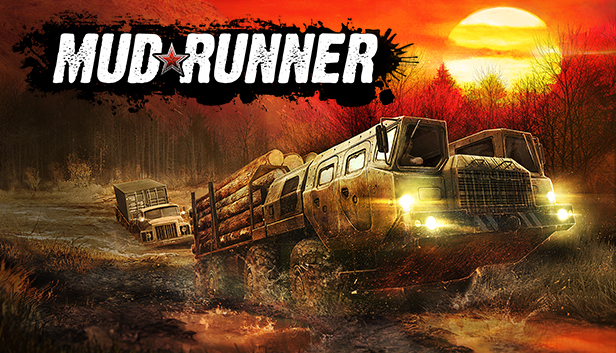
With 91% positive ratings and 35k+ reviews, this is a driving game that’s almost totally unrelated to “tryharding”. Heavy trucks slowly struggling through mud make for such a slow pace that the whole family can chat while driving. The ideal parent‑child style is division of labor: one person reads the map, plans the route, handles navigation and fuel calculations; the other focuses on driving and getting unstuck. Every successful delivery brings a “we pulled this off together as a family” sense of satisfaction. It lets kids feel the impact of physics and terrain without the suffocating atmosphere of fierce competition.
7. Age of Empires II: Definitive Edition #
 Eneba$8.88Steam $8.88View price →
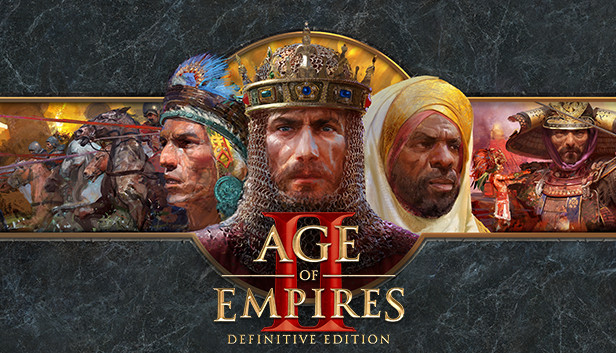
With 95% positive ratings and 150k+ reviews, the numbers already show its dominance in RTS. For families, what matters more is the Definitive Edition’s many new tutorials and carefully tiered difficulty, making “teaching your kid to play AoE” a realistic idea. Parents can start by co‑op vs AI, explaining resource cycles and tech trees while also introducing imperial history and basic geography. Once the kid is familiar with the rules, you can gradually try online matches and experience the joy of “prepare well before going on stage”. This makes a more convincing case than rote‑memorizing history.
8. Age of Empires III: Definitive Edition #
 Eneba$5.39Steam $5.39View price →
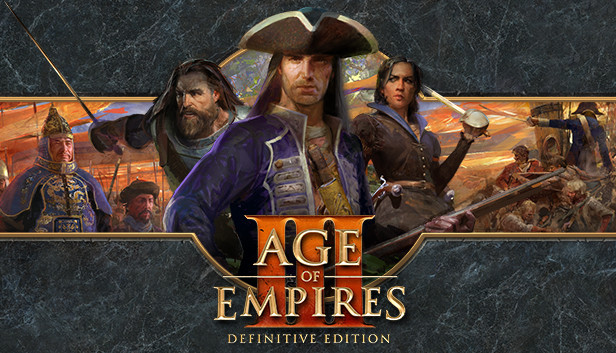
Though its overall reputation is slightly lower than AoE2 (85% positive, 52k+ reviews), AoE3: Definitive Edition’s modernized multiplayer and co-op content make it very suitable as a designated “family strategy battle night” title. Its colonial‑era setting and “home city deck” mechanics lean more toward tactical composition and tempo, fitting families already comfortable with basic RTS operations. You can reserve one night for in‑family 2v2 matches, and another night for online co‑op vs hard AI, turning strategy discussions into a living‑room routine instead of something that only appears on test papers.
9. Age of Mythology: Extended Edition #

 Kinguin$16.80-46%Steam $16.80View price →
With 93% positive ratings and 31k+ reviews, Age of Mythology packages economics and mythological systems into RTS rules. For curious kids, every civilization, god, and myth unit is a new topic: Why can Zeus summon lightning? Why did the Egyptians build pyramids? Parents and kids can play while looking things up, using “pick a civ + issue commands” as a way to grasp each culture’s characteristics. Compared with traditional historical RTS, it’s more like a world culture tour with a fantasy filter, making it great for parents to accompany play with storytelling.
10. Age of Empires II (Retired) #
 Eneba$13.97Steam $13.97View price →
With 85% positive ratings and 30k+ reviews, The Sims 3 is mostly single‑player, but it’s very suitable for turning into a family game by “taking turns as planner”. Everyone in the family creates their own character and life goals, then you discuss house layout, career paths, and which expansions to use, visualizing everything from school and romance to retirement. Compared with real‑time competitive games, this emphasizes communication: Why save money? Why plan skill points? Going through this once in the game and then reflecting on real family planning is often more effective than a formal family meeting.
11. The Sims™ 3 #
 Eneba$1.37Steam $1.37View price →
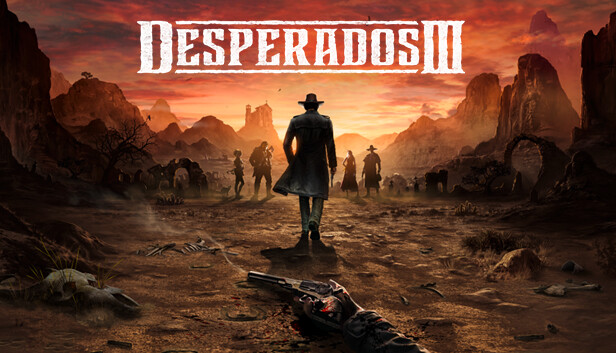
With an impressive 96% positive rating and over ten thousand reviews, Desperados III really stands out among compact tactical strategy titles. Although it’s a single‑player game, the pausable command system and multi‑character coordination naturally lend themselves to parent‑child couch play: discussing together who to control first, how to calculate hit chances and vision cones, and so on. Parents can handle controls and final decisions, while kids watch enemy patrol routes and propose plans. Every successful “one‑wave combo” reinforces the value of “planning ahead + team coordination” in a far more intuitive way than just lecturing.
12. Desperados III #
 CDKeys$6.71-89%Steam $6.71View price →
With 98% positive ratings and 160k+ reviews, Portal is practically a textbook for logic and spatial‑reasoning games. Strictly speaking it’s single‑player, but it’s ideal for co‑solving: one person handles movement, the other sketches on paper and reasons out “where to put the entrance and exit”. The puzzles are tightly designed with no redundant distractions, letting kids clearly experience the “try–fail–adjust” thought process. The short length makes it perfect to finish in a single weekend as a high‑intensity physics and logic lab. Are you really willing to let your child play through it alone?
13. Portal #
 Kinguin$8.49-22%Steam $8.49View price →
With 95% positive ratings and 11k+ reviews, Psychonauts 2 wraps an action platformer in a “psychological adventure” shell. Its storybook art style and highly imaginative level design make it ideal for treating as an interactive animated film for the whole family. Parents with more experience can handle the controls, while kids help with navigation, spotting environmental hints and details, and discussing characters’ emotions and growth. Compared with overtly didactic “educational games”, it gently introduces empathy and psychological issues under a lighthearted, humorous surface.
This list shows that games suitable for families aren’t just “simple and cute” ones, but those whose rules and content leave room for players of different ages to participate: some focus on open‑world exploration, some use strategy and building to spark discussion, and others center on story and puzzle‑solving as shared experiences. Rather than letting gaming time become isolated solo sessions with everyone wearing headphones, it’s better to deliberately set a fixed “family online time” to explore, battle, build, and talk about life together in these games. Real parent‑child communication is, more often than you think, well‑suited to happen inside games.




Comments 0
Share your game review
Join the discussion and share your review of this game.
No comments yet. Share your review.