12 Best Hidden Puzzle Gems Worth Discovering (2026)
Picked by Mika 林 · ·listDetail.views: 2,947 Comments
Some puzzle games are not like fireworks; they are more like a small lamp on a late-night desk: not loud, not clamoring for attention, yet in those few minutes when you lower your head to think, they slowly draw the world into something tangible and orderly. What we’ve selected this time are exactly those highly praised but not especially talked-about hidden gems. They did not win through the spectacle of big-budget production, but through truly solid core mechanics that pull you in level by level, like opening a beautifully written letter. The following are arranged by degree of surprise—the further down you go, the more it feels like stumbling upon precious designs buried in a forgotten corner.
Some puzzle games are not like fireworks; they are more like a small lamp on a desk late at night: never loud, never clamoring for attention, yet in those few minutes when you lower your head to think, they slowly gather the world into a tangible order. What I’ve picked this time are exactly those highly praised but not especially buzzed-about hidden gems. They did not win through big-budget spectacle, but through core mechanics sturdy enough to truly stand on their own, drawing you in level by level, like opening a beautifully written letter. The list below is arranged by degree of surprise—the further down you go, the more it feels like stumbling upon a precious design buried in a forgotten corner.
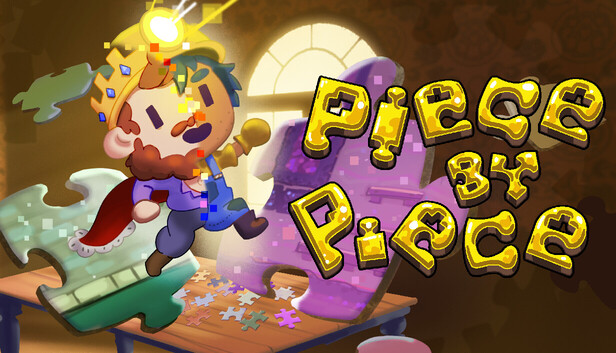
Image: Piece by Piece
Tags: hidden gem, assembly puzzle, lightweight game
Its appeal begins with an intuitive feel that almost needs no tutorial at all. Watching scattered structures click together bit by bit feels like piecing a shattered object back into your palm, and the satisfaction is immediate. But the more you play, the more you realize it is not just about “putting things together.” The relationship between part and whole, the judgment of what comes first and what comes later—all of it hides small but clever tests. It’s the kind of compact, breezy game that makes you say, “How has no one recommended this to me before?”
Image: DEFRAG
Tags: soothing puzzle, organization gameplay, atmospheric vignette
DEFRAG makes the simple act of “putting things back in place” feel remarkably gentle. It does not hook you through intense stimulation, but instead lets you slowly sink into a calm, almost room-tidying state through placing, rotating, and matching shapes. The core of its puzzles is not flashy, yet it understands very well how to create pleasure from the contrast between disorder and order. Each completed arrangement feels like gently smoothing out the crumpled emotions of a long day—quiet, but deeply lingering.
Image: SOLAS 128
Tags: minimalist puzzle, numeric paths, short and sharp
This is a game that is very easy to underestimate at first glance. Inside its minimalist boards are numbers, paths, and sequencing logic; the rules are not complicated, but what is truly impressive is how elegantly it controls mental pressure. Every level is short, yet the moment of solving it lands with a crisp snap. It is like a small metal mechanism: plain in your hand, but once it starts turning, you realize how precise the design inside really is. Perfect for players who like to savor pure mechanics.
Image: Slayaway Camp
Tags: rule testing, deductive reasoning, highly addictive
What makes Slayaway Camp so fascinating is how well it gets players to “guess the rules.” With limited information laid out before you, every move feels like reaching out in the dark to feel along a wall, trying to determine what can be pushed and what will backfire. Its puzzle density is high, with no extra decoration, which makes the rhythm of thought feel especially sharp. Precisely because it is so compact, it more easily creates that “just one more puzzle before bed” pull—like a small blade slicing cleanly through paper: neat, direct, and just a little bit addictive.
Image: Hexologic
Tags: logical deduction, hex grid, highly acclaimed
If you enjoy puzzles with clear rules, clean feedback, and solutions that are peeled open step by step through pure thought, Hexologic will be exactly your kind of game. The hexagonal grid gives familiar logical deduction a fresh texture; your field of observation, adjacency relationships, and elimination process all feel livelier than in a traditional square grid. What is rarest about it is how consistently it preserves the purity of its mechanics, never relying on gimmicks. It feels like writing formulas on a freshly cleaned window at dawn—cool, transparent, yet increasingly satisfying the more you solve.
Image: SiNKR 2 / Ice Hook 2
Tags: spatial reasoning, minimalist aesthetics, strategic puzzle
SiNKR 2 reduces its visuals to an almost silent degree, yet gives every pull and every landing point an unusual weight. Hooks, obstacles, and trajectories grow astonishing spatial depth from only a handful of rules, like performing a precise operation on a silent workbench. Its brilliance lies not in complicated explanations, but in those moments of realization: “Ah, so it can work like this too.” For players who love spatial imagination and step-by-step design, this restrained, almost austere beauty is very rare.
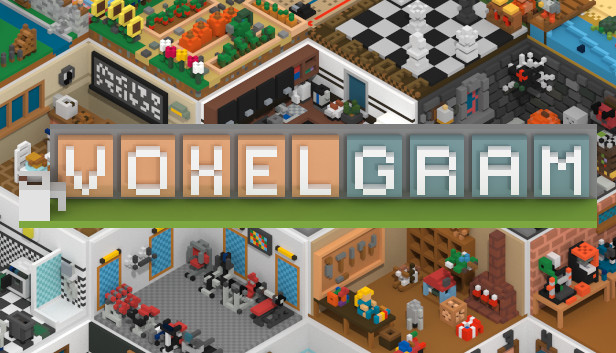
Image: Voxelgram
Tags: spatial recognition, puzzle game, pixel imagery
This game translates the satisfaction of a crossword into the language of three-dimensional puzzles. You fill in voxels little by little based on clues, and a vague outline gradually rises into view, like seeing something familiar slowly take shape behind fogged glass. What makes it so strong is how naturally it binds “solving” together with “recognizing an image.” The thinking never feels rigid; instead, it carries a kind of gentle companionship. Completing each small model feels like relighting a lamp for something once stored in memory.
Image: The Computer Detective: Conclusive Evidence
Tags: detective puzzle, digital forensics, evidence assembly
Its uncommon subject matter is the first thing that grabs you, but what really makes it memorable is how much its investigations feel like genuine digital-age reasoning. Screens, files, records, and the gaps between pieces of evidence all need you to connect, confirm, and question them by hand. It feels like sitting alone at a computer late at night, the room silent except for the soft hum of a fan, while the truth hides in some overlooked corner. It does not win through shocking twists, but through the process of patiently unraveling the threads, drawing you deeper the more you investigate.
Image: Relic Guardian
Tags: adventure puzzle, mechanism exploration, narrative atmosphere
Relic Guardian is not a purely room-based puzzle game; it places its puzzles inside an adventure structure that carries a sense of journey. You are not just mechanically clearing stages, but being gently led along through exploring, approaching relics, and understanding mechanisms. That framing gives the puzzle-solving an added layer of emotion: each obstacle you overcome feels like moving one step closer to some dust-covered past. It is well suited for players who want to feel the warmth of a world beyond the puzzles themselves—its pacing is soft, but never empty.
Image: Moon Scam Artist
Tags: atmospheric puzzle, fresh theme, casual indie
Its most enchanting quality is that strange sense of unfamiliarity—hard to explain, yet deeply compelling. The moon, deception, and probing at mechanisms combine into something with a faint scent of weightlessness, like stepping into a gallery lit with cold light: you know something is off, yet you still want to keep going deeper. The puzzle-solving itself is not showy, but feels more like a chain of tentative interactions that slowly wraps you in its atmosphere even as you come to understand the rules. The more you play, the more one question arises: how is something this distinctive not talked about more?
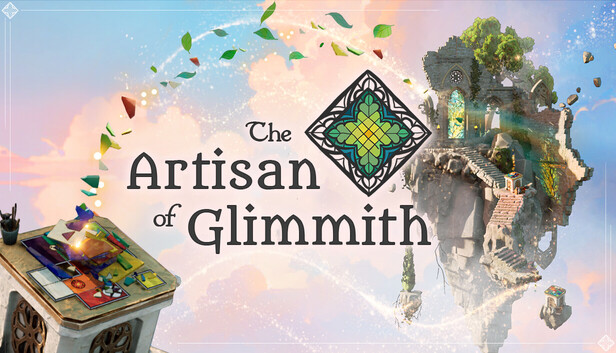
Image: The Artisan of Glimmith
Tags: rule combinations, artisan theme, mechanical surprises
The surprise of this game comes from how tightly its “artisan” theme fits with its combinations of rules. Many games simply drape a skin over their mechanics, but this one genuinely creates the feel of repeatedly refining, testing, and correcting things at a workbench. Every level feels like handling a component that has not quite taken shape yet: you observe its structure, adjust the order, and then make it run smoothly. That process—from roughness to a perfect fit—feels very much like the final polish before a piece of craftsmanship is complete. The further you go, the more you admire the patience in its design.
Image: Paper Trail
Tags: paper-folding mechanic, narrative adventure, niche masterpiece
It is placed last not just because it is fun, but because it weaves mechanics and emotion together so naturally. Folding paper to change the path is already a brilliant idea on its own, but in play it feels even more like turning the pages of a breathing pop-up picture book with your own hands. The moment space folds, both the puzzle and the journey change with it. It feels as if you are rewriting the protagonist’s road ahead, while also sorting through those hard-to-name feelings that come with leaving home. It is not merely fresh; more importantly, it has warmth—the kind of treasure that lingers softly in your heart after you finish it.
What makes all of these works so valuable is that they are all willing to return puzzle-solving to the mechanics themselves: some excel through spatial reasoning, some become irresistible through rule testing, and some stitch emotion together with mechanisms. They may not all have huge visibility, but every single one deserves to be discovered with care.


 Steam$9.09$12.99-30%View price →

 Kinguin$0.38-97%Steam $0.38View price →
 GAMIVO$3.66Steam $3.66View price →
 K4G$0.49-82%Steam $0.49View price →

 Eneba$14.55Steam $14.55View price →

 GOG$6.11-21%Steam $6.11View price →






Comments 0
Share your game review
Join the discussion and share your review of this game.
No comments yet. Share your review.