
If we had to sum up the games below with a single tag, it would be: together they shaped “the medieval fantasy in our minds.” Some banish magic and focus only on kingdoms and religious conflict; some move crusades and monastic knights into the far future; others use LEGO, cards, or puzzle mechanics to break knights and myths down into “modules” that suit different players’ entry points.
The list below is ordered by overall impact: we looked at both Steam review count and positive rating, the long-term discussion heat after release, and how paradigmatic they are within the “medieval fantasy” category. It’s not just about who sold the most, but who truly changed how players understand “sword and sorcery (or no sorcery).”
1. Sekiro™: Shadows Die Twice - GOTY Edition #
 GAMIVO$21.26Steam $21.26View price →
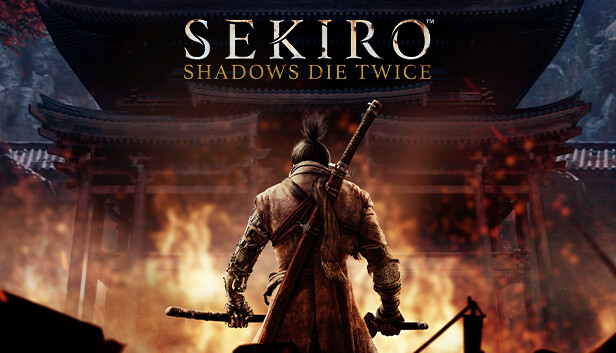
With over 250k reviews and a 95% positive rating, its influence has long surpassed the “Soulslike” label. On the surface it’s a fictionalized Sengoku Japan, but at its core it’s a medieval-style dark fantasy: the Dragon’s Heritage, the curse of immortality, and the conflict between gods, Buddhas, and faith combine into a complete mythos of “sword and divine will.” With an extremely demanding yet scrupulously fair combat system, it etches “a samurai defying fate with his life hanging by a thread” more clearly than ever before—today, any work in a similar setting that wants to talk about “faith and curses” can hardly avoid Sekiro’s narrative and action paradigms.
2. Hogwarts Legacy #
 CDKeys$5.24-92%Steam $5.24View price →
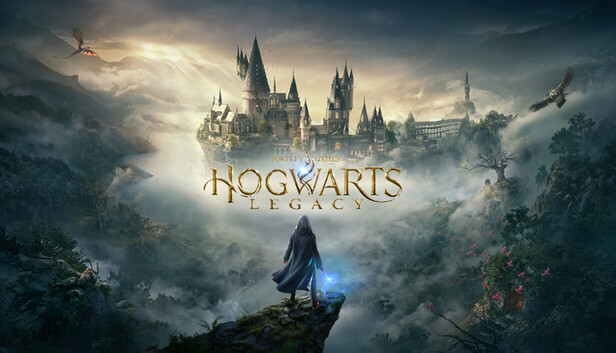
Over 260k reviews and a 90% positive rating back a magical world that became a near-全民 hot topic. It turns the “medieval magical afterglow” under a Victorian shell into a playable Hogwarts: the castle, countryside, Forbidden Forest, and ancient ruins form a mainstream fantasy template for modern players’ imagination. Whether you agree with its trade-offs in RPG depth or not, its huge sales and discussion volume have already made it the benchmark for recent magical-fantasy open worlds—going forward, when we talk about “academic medieval fantasy,” who can bypass this point of reference?
3. Dragon's Dogma: Dark Arisen #
 GAMIVO$4.35Steam $4.35View price →
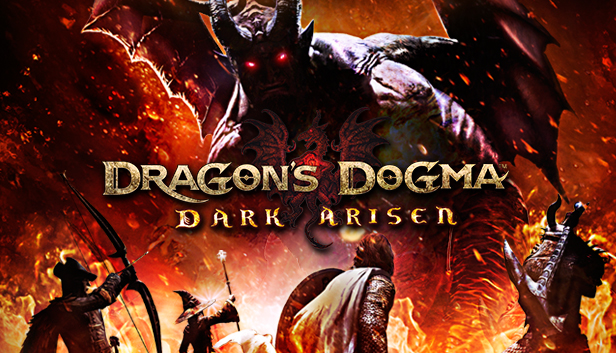
Over 36k reviews and an 88% positive rating for a 2016 title shows how well its “medieval high-fantasy template” holds up. Its multi-class and pawn systems truly put knights, archers, and mages onto the bodies of gigantic dragons and giants instead of leaving them as paper concepts; the dangerous night and open-world structure make “setting out with a lantern” a shared memory for players. It doesn’t chase a map full of question marks, but uses systemic combat and dragon-riding setpieces to define a “condensed yet weighty” fantasy experience, with far-reaching influence on later action RPGs in the same vein.
4. The Elder Scrolls® Online #
 Kinguin$2.01-91%Steam $2.01View price →
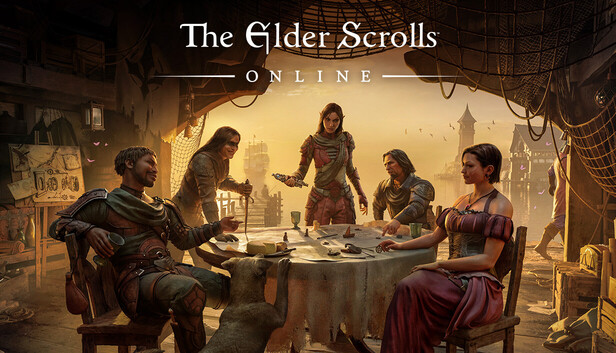
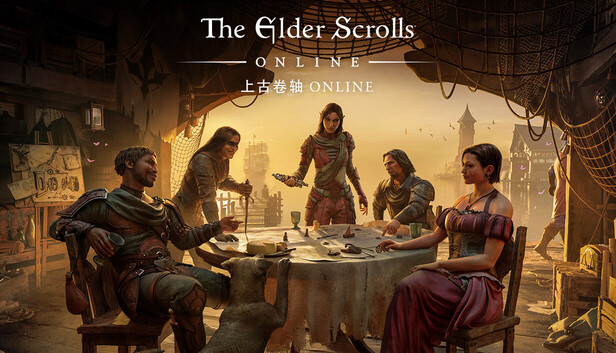
Over 130k reviews and an ultra-long lifespan make it a living specimen of the “medieval high-fantasy MMO.” It turns Tamriel’s races, deities, and Ragnarok-like conflicts into an online world, with expansions continually extending it—essentially giving veteran players a reason to “return to the Middle Ages” every few years. Compared to traditional MMOs, it emphasizes exploration and world storytelling: you can play as a mercenary adventurer moving between towns and ruins, or dive into the power struggles between orders and empires. This macro-narrative scale is still rare among MMOs in this genre.
5. Kingdom Come: Deliverance #
 GAMIVO$3.39Steam $3.39View price →
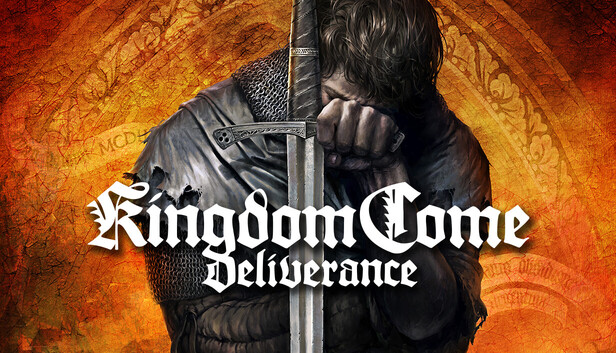
With over 130k reviews and an 83% positive rating, reaching this scale while insisting on “no magic” is an achievement in itself. It discards almost all traditional fantasy elements and throws you into 15th-century Bohemia: eating, drinking, training, and armor maintenance all demand serious attention, while religious and class conflicts seep out slowly through details. The combat is brutal and clunky, yet closely aligned to the “real feel” of cold weaponry, helping you understand why it was so hard for an ordinary person to become a hero in that era—and precisely because of this, it offers a precious realist counterpoint to conventional magical fantasy.
6. Kingdom Come: Deliverance 2 #
 Eneba$14.97Steam $14.97View price →
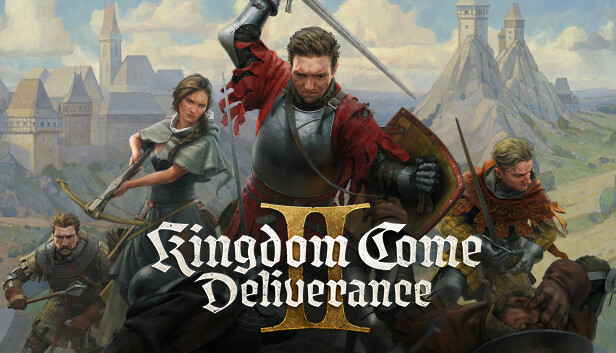
Launching with over 120k reviews and a 93% positive rating, it pushes the first game’s “realistic medieval” experiment straight into the mainstream. A larger Bohemian world and more complex power struggles and social stratification make the arc of “the shattering and rebuilding of the knightly dream” more complete. While retaining hardcore combat and life systems, it improves guidance and narrative pacing, effectively giving players a more accessible “real” Middle Ages—compared with worlds full of dragons and magic, this path of building epic feeling on historical detail is becoming a new trend.
7. Warhammer 40,000: Space Marine 2 #
 GAMIVO$15.26Steam $15.26View price →
With over 150k reviews and an 83% positive rating, it proves that the combination of “far-future shell + medieval religious militarist core” still has huge appeal. Space Marines are essentially monastic knightly orders in powered armor: waging holy war for the God-Emperor, showing zero tolerance for heresy, and sacrificing themselves on endless battlefields. The mix of massive battles, melee, and gunplay gives concrete form to the frenzy of “charging for faith,” offering an extreme reinterpretation of crusades, orders, and collectivism from medieval fantasy—arguably the most extreme branch line for understanding this kind of theme.
8. Fable - The Lost Chapters #
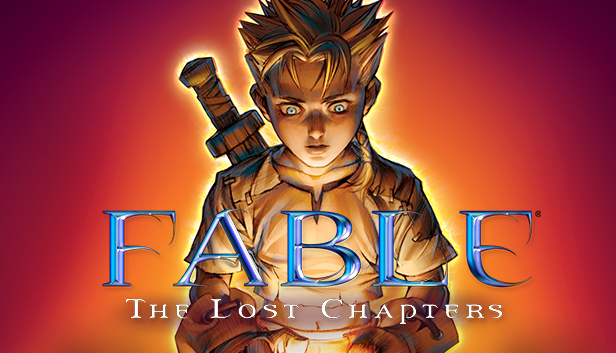
 GreenManGaming$9.99Steam $9.99View price →
Released back in 2011 and still holding a 92% positive rating, it’s a shared “childhood memory” for medieval-fantasy players. Its greatest contribution was using an intuitive like/dislike system and visual changes to prove to an entire generation of players that “your choices really can change a hero’s fate.” Sword and sorcery, knights and villages are just the stage; the real hook is whether you gradually shape a radiant knight or a fallen tyrant in this fairy-tale kingdom. To this day, when we talk about morality systems, Fable remains an unavoidable reference point.
9. Thronebreaker: The Witcher Tales #
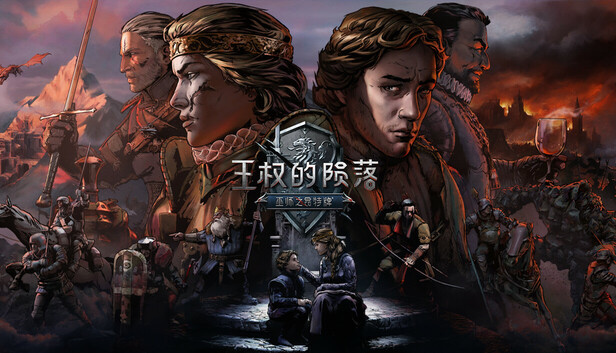 Kinguin$0.86-97%Steam $0.86View price →
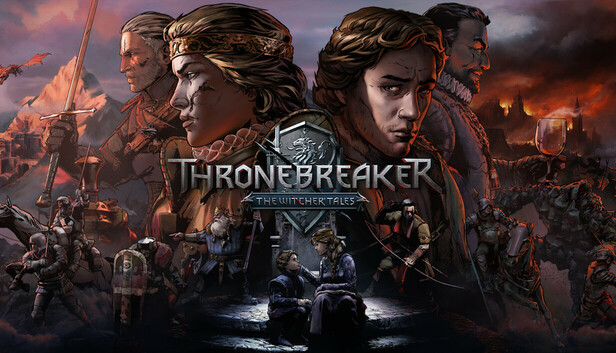
With 15k+ reviews and an 89% positive rating, it’s not huge in commercial scale, but it’s almost textbook-level in “how to tell a medieval war epic through cards.” Using board-like maps and card encounters, it reconstructs the Northern campaign, cramming political and military decisions, betrayal, and sacrifice into decks and event choices. For players already familiar with the Witcher world, it’s a rare chance to jump from the “witcher’s perspective” to that of a queen and her army; for card game designers, it’s practically the best “counter-example” for narrative–mechanic integration—can you make yours this tight?
10. Darksiders Warmastered Edition #
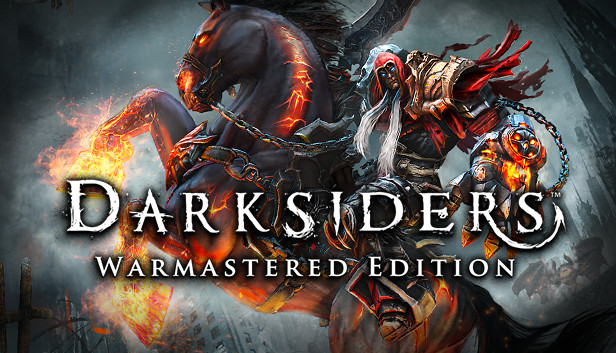 Kinguin$0.77-97%Steam $0.77View price →
With over 13k reviews and an 88% positive rating, it very bluntly turns medieval theology’s apocalypse, Four Horsemen, angels, and demons into a heavy-metal-flavored action-adventure. The urban ruins are just the outer shell; the core is the mythic structure of “divine judgment” and disrupted order. The level design carries clear Zelda-style puzzle influences, but from the perspective of an apocalyptic Horseman, each dungeon feels like a patrol of “enforcing divine law,” providing a high-completion template for the many “war of the gods” action games that followed.
11. Darksiders Genesis #
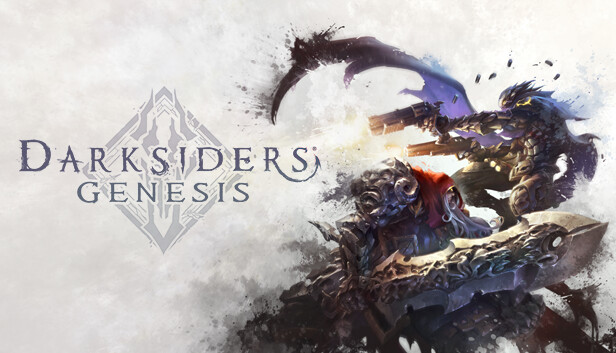 Eneba$2.05Steam $2.05View price →
With nearly ten thousand reviews and an 82% positive rating, it switches from third-person to an isometric view while retaining the series’ core mythos of the Four Horsemen and divine wars. As a prequel, it fills in the earlier history of the world, portraying the subtle power plays between Heaven, Hell, and the Charred Council through two-player co-op and puzzle design. Compared with the personal heroic epics of previous entries, Genesis is more like a “mythic team drama,” making this dark medieval mythos more layered than a story centered on a single Horseman.
12. The Talos Principle 2 #
 Kinguin$2.17-93%Steam $2.17View price →
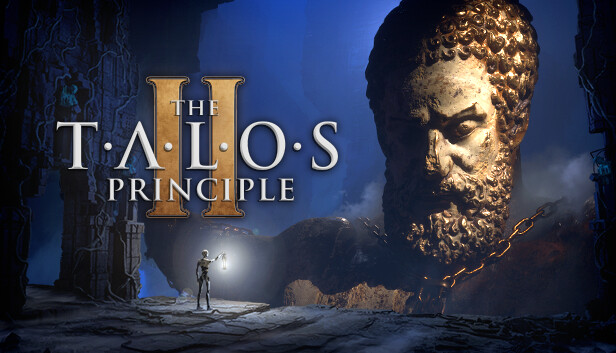
With over 12k reviews and a 95% positive rating, it’s a rare recent puzzle game that wraps a post-human worldview in “medieval theological discourse.” Ruined temples, gigantic statues, and remnants of religious ritual create a “post-civilization medieval revival.” You don’t play a human, yet you’re constantly confronted with questions about the soul, free will, and the absence of God. Compared with traditional sword and sorcery, there is almost no combat here, but the experience of pondering “what is God, what is man” among mazes and stone pillars itself is a modern re-enactment of medieval thought.
13. LEGO® Star Wars™: The Skywalker Saga #
 GAMIVO$6.48Steam $6.48View price →
With over 37k reviews and a 90% positive rating, it shows that thinking of “Star Wars = sci-fi” is actually too narrow. In LEGO form, lightsabers, the Jedi Order, master–apprentice lineages, and Force training are basically a medieval knightly order with a new coat of paint: an order, a religious-military group, traitors, and falls from grace. It breaks this classic structure down into small, easily understood segments for parents and children to play together, making “a child’s first epic of sword and faith” unusually accessible—its value as a family-friendly entry point to medieval fantasy is often overlooked.
14. "Heretic + Hexen" #

Tags: retro shooter, dark fantasy, niche but highly rated
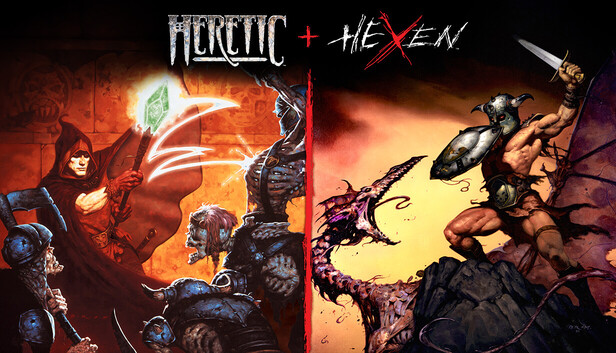
With just over a thousand reviews but a 95% positive rating, this is a classic example of a “cult favorite.” It fully ports the dark-fantasy shooters of the 1990s PC era to modern platforms: worlds full of heresy, dungeons, cults, and demons re-create the gritty feel of “old-school medieval dark fantasy” with fast-paced shooting. For players now used to flashy action and open worlds, it’s like a living specimen, showing how, at the dawn of 3D tech, games used limited resources to depict trials and heretic hunts.
Eneba$9.53Steam $9.53View price →15. SPORE™ #
 Kinguin$17.23-49%Steam $17.23View price →
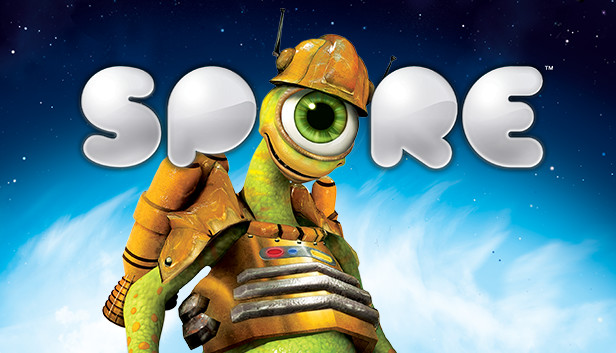
With over 64k reviews and a 92% positive rating, it’s usually regarded as a sci-fi evolution sandbox, yet its Tribal and Civilization stages borrow heavily from medieval and even fantasy imagery: totems, religious worship, knight-like armies, and castle-style architecture keep appearing. Your evolution from a single cell to a “medieval-like civilization” and then to a spacefaring one is itself an allegory spanning myth and science. Rather than strict medieval fantasy, it’s better seen as an experiment in “mythic evolution,” highly inspiring for players who want to think about the evolution of civilizations and faith on a macro scale.
From Sekiro’s dark curses to the cold realism of Kingdom Come, from Hogwarts Legacy’s magic academy to Space Marine 2’s crusading future, this list deliberately spans both “sword and sorcery” and “magic-less medieval,” and also includes sci-fi skins, family-friendly works, and philosophical puzzlers. Medieval fantasy has never been a single recipe but a whole narrative toolbox about kingship, faith, curses, and choices—the truly interesting part is watching how different games pick what they need to assemble their own vision of an age.




Comments 0
Share your game review
Join the discussion and share your review of this game.
No comments yet. Share your review.