12 Best City Builders to Dyson Sphere Construction Games (2026)
Selección de Delta 赵 · ·listDetail.views: 2,830 Comentarios
Building and management games deliver the satisfaction of creating systems from scratch. *Cities: Skylines* hands you traffic networks and zoning tools, *Dyson Sphere Program* scales up to interstellar logistics, and *Frostpunk* tests resource allocation in a frozen apocalypse. The genre keeps evolving: *Satisfactory* turns conveyor belts into industrial choreography, *Timberborn* pits wooden engineering against drought, and *TCG Card Shop Simulator* lets you run your own card store empire. This list ranks games by influence and genre contribution, covering city planning, industrial automation, and themed management to help you find your building niche.
Building and management games deliver the satisfaction of creating functional systems from scratch. Cities: Skylines lets you design traffic networks and urban zones, Dyson Sphere Program scales up to interstellar logistics, and Frostpunk tests your resource allocation in an apocalyptic winter. The genre keeps evolving: some players weave industrial poetry with conveyor belts in Satisfactory, others fight drought with wood-punk engineering in Timberborn, and some run their own card shop empire in TCG Card Shop Simulator. This list ranks games by influence and genre contribution, covering city planning, industrial automation, theme management, and more to help you find your ideal building experience.
Image: City: Skylines
Tags: Simulation, Strategy, 2, 22, 29
The modern benchmark for city simulation, built around deep traffic modeling. Road hierarchies, metro networks, and cargo logistics form an interconnected transport system where gridlock isn't random—it's the inevitable result of poor planning. Zoning, policy tools, and service coverage radii interlock to make cities grow like living organisms. The mod ecosystem is massive, from real-world building assets to traffic AI improvements. Compared to SimCity's streamlined approach, this delivers near-professional urban planning sandbox depth.
Image: Frostpunk
Tags: Simulation, Strategy, 2, 22, 29
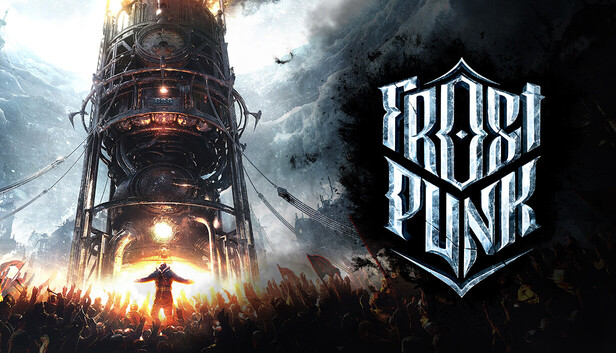
A moral dilemma simulator set in apocalyptic cold. You're not just managing resources and building layouts—you're making brutal choices under survival pressure: deploy child labor? Mandate overtime? Balance hope against discontent? Frostpunk merges construction management with narrative weight, where every policy triggers cascading consequences. At -150°C, you experience the harsh reality that there are no perfect solutions, only impossible choices. Multiple scenario endings amplify replay value.
Image: Happy Factory
Tags: Adventure, Indie, Simulation, Strategy, 2
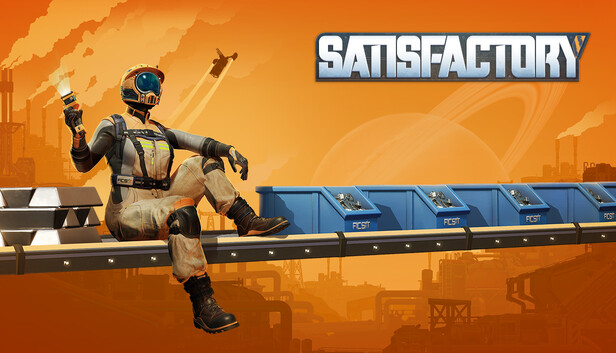
First-person factory building meets exploration. You're not commanding from above—you're on the ground laying foundations, routing belts, and climbing your own structures. The production chains grow from simple iron plates to nuclear power and supercomputers, each tier demanding spatial problem-solving. Conveyor spaghetti becomes three-dimensional architecture. The alien planet setting adds resource hunting and creature threats between optimization sessions. When your multi-story aluminum factory hums at full capacity, the industrial aesthetic hits different than any top-down builder.
Image: Dyson Sphere Program
Tags: Indie, Simulation, Strategy, Early Access, 2
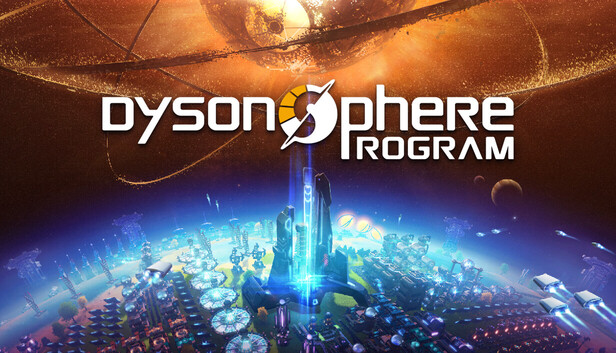
From single-planet operations to cross-system logistics networks—a rare scale leap in building games. Early on you're laying belts and sorters on planetary surfaces, mid-game you're planning interstellar shipping routes, late-game you're harvesting stellar energy with Dyson spheres. Production complexity grows exponentially with the tech tree. The real hook is multi-planet coordination: mine silicon here, smelt steel there, link it all with interstellar logistics stations into a galaxy-spanning supply chain. Watching your hand-built Dyson ring slowly take shape in stellar orbit delivers irreplaceable industrial beauty.
Image: Planet Zoo
Tags: Casual, Simulation, Strategy, 2, 22
Frontier transplanted theme park building expertise into zoo management, but the complexity far exceeds their previous work. You need to recreate authentic habitats for each species—African elephants need mud wallows and roaming space, snow leopards require rocky terrain and hiding spots. The animal welfare system is incredibly detailed: social structures, territory needs, and environmental enrichment all affect breeding and guest satisfaction. Combined with terrain editors and modular building systems, you can construct exhibits from tropical rainforest to polar tundra. Rare among builders for making biological needs a core gameplay pillar, perfect for players who love fine-tuning systems.
Image: Anno 1800
Tags: Simulation, Strategy, 2, 1, 49
Anno 1800 turns construction management into multi-tier production chain artistry. The five-level population system from farmers to engineers interlocks tightly—each upgrade unlocks new demands. Workers want sausages and bread, engineers need sewing machines and bicycles. The Old World grows potatoes and brews beer, the New World harvests rubber and coffee, and transatlantic trade routes require careful calculation. It brilliantly concretizes 19th-century industrialization tensions: balancing traditional agriculture against mechanized factories, choosing between ecology and efficiency. Once production lines spin up and steamships haul cargo between continents, the sense of control is unmatched.
Image: Timberborn: A Beaver's Tale
Tags: Indie, Simulation, Strategy, 2, 22
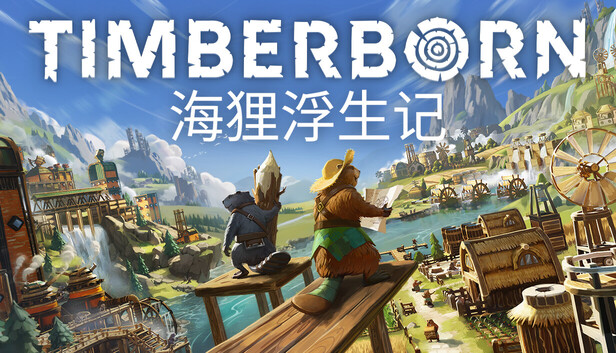
Wood-punk beavers surviving in a wasteland—sounds absurd but plays solid. The core is water resource management: build dams to store water before dry season or your colony dies of thirst. Vertical building design lets you stack cities upward, using waterwheels, pumps, and irrigation systems to fight drought. Two beaver factions play distinctly different—Ironteeth rely on industrial tech to brute-force the environment, Folktails use meditation and night shifts for alternative strategies. Terrain modification and water flow simulation are detailed enough for mountain blasting, canal digging, and stream diversion, adding geographical strategy layers beyond standard city builders.
Image: Real Estate Expert
Tags: Indie, Simulation, 2, 22, 29
House Flipper compresses building management granularity down to individual rooms. You personally clear trash, lay flooring, paint walls, even adjust every outlet position. This ruin-to-renovation process delivers unique immediate feedback—not planning macro systems but mouse-clicking value brick by brick. The economic loop is straightforward: buy cheap wrecks → renovate → sell high, using profits to unlock bigger projects. Transforming a moldy basement into a Nordic apartment gives more concrete, personal control than managing entire cities.
Image: Great Expectations
Tags: Indie, Simulation, Early Access, 2, 22
The complete growth curve from street vendor to commercial empire. You're not a god-view planner but an entrepreneur personally hauling inventory, arranging stores, and negotiating leases. The game breaks management into addictive details: optimizing shelf placement affects sales, location determines foot traffic, employee management balances wages against efficiency. Real New York neighborhoods become your business map, expanding from convenience stores to restaurant chains to real estate investment, each stage offering different strategic depth. Rare for deeply fusing role-playing with business simulation, giving construction management immersion and human texture.
Image: TCG Card Shop Simulator
Tags: Simulation, Early Access, 2, 22, 29
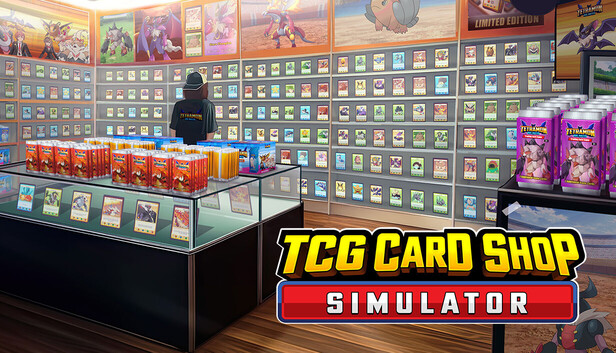
Every aspect of card shop operation becomes a playable system: pack-opening feel, pricing strategy, shelf displays, customer psychology all backed by numbers. You judge which cards to hoard and speculate on, which to liquidate quickly for cash flow, while handling sudden restock opportunities and customer haggling. Already 96% positive in Early Access because it captures physical card shop essence—not simple stock-and-sell but profiting through information gaps and market instinct. This business simulation follows real commerce logic closer than most management games.
Image: Mini Motorways
Tags: Casual, Simulation, Strategy, 2, 22
Minimalist urban traffic planning. You have limited road and traffic light resources to connect residential zones with destination buildings in constantly growing cities. The core challenge is dynamic adjustment: early straight-line solutions get disrupted by later buildings, forcing constant road network teardowns and bottleneck optimizations. Compared to Skylines' macro planning, this feels more like real-time puzzling—watching traffic flow efficiently through your designed roundabouts or deadlock from one bad intersection delivers extremely addictive immediate feedback. Each 10-20 minute session challenges high scores on real-world city maps, perfect for quick breaks.
Image: Tribal Survivors
Tags: Simulation, Strategy, 2, 22, 30
Farthest Frontier pulls construction management back to primal survival. No modern industrial conveniences—you plan gathering routes from scratch, balance food against building materials, and every seasonal disaster can collapse your settlement. The core is dynamic equilibrium between population growth and resource consumption—reproduction needs happiness, happiness needs diverse supply, and expansion intensifies resource pressure. This spiral development rhythm makes surviving each winter or plague genuinely rewarding, ideal for players who love hardcore resource management.


 GAMIVO€13.93Steam €13.93Ver precio →




 Kinguin€13.99Steam €13.99Ver precio →
 Eneba€6.08Steam €6.08Ver precio →





Comentarios 0
Nos interesa tu opinión
Participa en la conversación y comparte tu opinión sobre este juego.
Aún no hay comentarios. Comparte tu opinión.