



Many people want to get into role‑playing games, but are scared off by dozens of systems, hundreds of hours of content, and advice like “read three guides before you start.” Beyond those hardcore epics, though, there’s a whole gentle starter village: interfaces that speak human language, tutorials that aren’t harsh, and communities that patiently answer tiny questions like “what does this key do.”
This list ranks several mid‑priced RPGs by “beginner friendliness”: from cat adventures as light as flipping through a picture book, to slow‑paced pixel epics, and especially those games whose rules you grasp in one sitting but whose taste deepens the more you play. You can treat them as your first party members—under their escort, you’ll gradually get used to XP bars, skill trees, and turn‑based pacing. By the time you realize it, you’ll already be the kind of player who can guide newcomers yourself.
1. Cat Quest #
 GOG$1.19-81%Steam $1.19Ver precio →
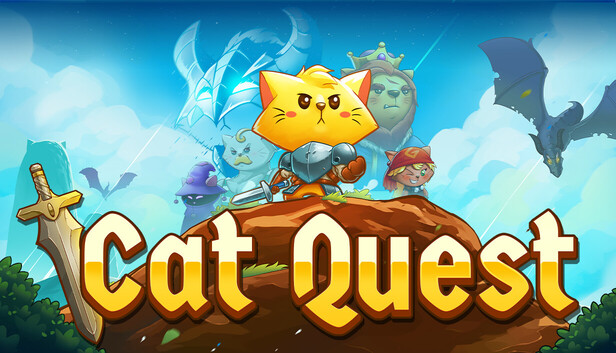
If there were an award for “first RPG,” Cat Quest would be on stage. Its tutorial is like a store clerk teaching you a new phone step by step: every time you unlock a new feature, big text and clear arrows tell you “just tap here.” Combat is all about dodging circles and casting spells; you’ll grasp the rhythm in minutes, and failure only costs a bit of time. The map isn’t large but is densely packed with side quests and chests, like wandering in a cat theme park. With full Chinese support and no obscure stats, beginners can laugh at the cat jokes while unconsciously absorbing all the basic RPG concepts.
2. Su Er Luyi -after mini- #
 GOG$11.99-20%Steam $11.99Ver precio →
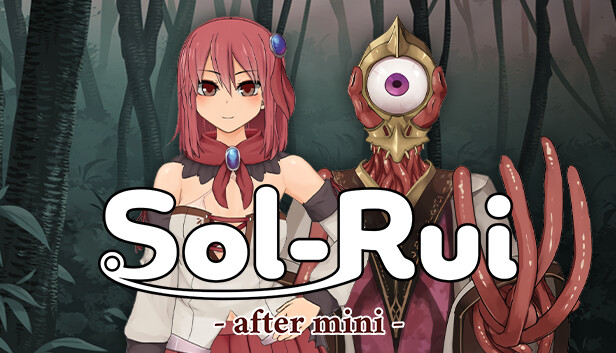
This is the kind of RPG you dare to click “Start” on at a glance. The main screen feels like a planner app on your phone: who to talk to today, which part‑time job to do, who to give a gift to—everything framed as everyday life choices. Combat and stats are kept very light; most of the time it feels more like managing relationships—planning daily life with the characters and slowly getting closer. The rules are almost self‑explanatory, and the system pops up explanations at the right moments; if you miss something, you can always look it up again, very considerate for players afraid of “missing the tutorial.” It suits those who are curious about traditional RPGs but mostly want to soak in story and daily‑life atmosphere.
3. Only you alone #

 Steam$6.99Ver precio →
Only You is more like a controllable pixel movie. Combat and progression systems are deliberately kept airy: a clear interface, straightforward skill descriptions, and just a couple of fights to learn the rhythm. What really hooks you is the story unfolding slowly in rainy alleys and dim rooms, with almost zero mechanical barrier to entry and the focus on emotions and choices. The in‑game explanations are very thorough; you almost never get that “what am I even supposed to do” gap, which makes it extremely friendly to beginners. If this is your first RPG and you don’t want to be crushed by systems, this feels like a story thread you can simply follow, gently guiding you into the feeling of “playing a role.”
4. Rainy Night of Enchantment ~A night filled with the sound of rain~ #
 GOG$2.24-21%Steam $2.24Ver precio →
This game is like flipping through someone’s heartfelt diary on a rainy night. As a lightweight RPG, it breaks its systems down into pages of clear options: what to do today, whom to contact, how to juggle work and emotions, all guided step by step with text and icons. There’s no complex skill tree; instead, your choices drive the story and simulate life, making it ideal for slow reading and quiet reflection. Chinese prompts explain every feature as clearly as an app’s onboarding tutorial, so beginners rarely get lost. If you want your first taste of role‑playing to be “life sim plus emotional story,” this is like a quiet room on a rainy night.
5. Morning Dew: Journey of Realms #

 Kinguin$6.75-46%Steam $6.75Ver precio →
Chaolu: Realm Journey has been widely discussed in the last couple of years as a “tactics RPG starter village.” The grid‑based battles make movement and attack ranges obvious at a glance; the UI uses highlighted tiles and concise notes to show you where’s safe and where’s dangerous. The tutorial ramps up gradually; every new mechanic comes with a short practice stage, with a restrained pace that doesn’t rush you. The pixel art is gentle and clean, and difficulty comes more from “how can I move better” than from stat crushing. Add in extremely positive reviews and helpful player‑made text/image guides, and beginners who post questions in the discussion section often get patient answers quickly.
6. The resolve to charge into battle #
 Eneba$2.96Steam $2.96Ver precio →
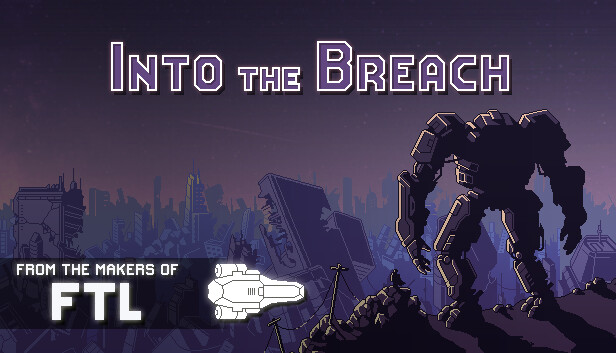
Despite its somewhat “hardcore” reputation, Into the Breach is actually where many people finally understood tactics logic. Every enemy move is telegraphed a turn in advance, with arrows and tiles on the grid clearly showing directions and ranges, like a visual lesson in cause and effect: push here, and something changes there. As long as beginners follow the prompts and think a bit, they’ll soon experience the thrill of “rewriting fate.” Each run is short, and failure just means switching to another timeline—no heavy progression pressure. The forums are full of beginner‑friendly posts on team compositions and tactical thinking, breaking this “board‑game subject” into something very easy to digest.
7. Shattered Continent #
 Kinguin$1.84-89%Steam $1.84Ver precio →
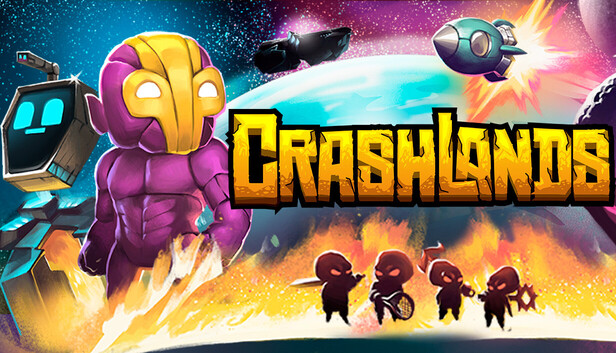
Crashlands turns the usual survival‑crafting RPG into a silly, adorable cartoon: gathering, crafting, and combat are all packed into a clear quest list. Even if you’ve never seen a “crafting recipe” before, the main story will lead you through step by step. Most monsters have exaggerated wind‑ups on their attacks, making dodging intuitive, and failure penalties are light. The game repeats key tips through humorous dialogue, nagging you as if afraid you’ll forget. Combined with years of accumulated Chinese guides and gear recommendations, beginners can treat it like “following a cooking recipe,” watching cosmic potatoes hop around while naturally learning about gear and progression in RPGs.
8. Wanderer #
 WinGameStore$1.09-73%Steam $1.09Ver precio →
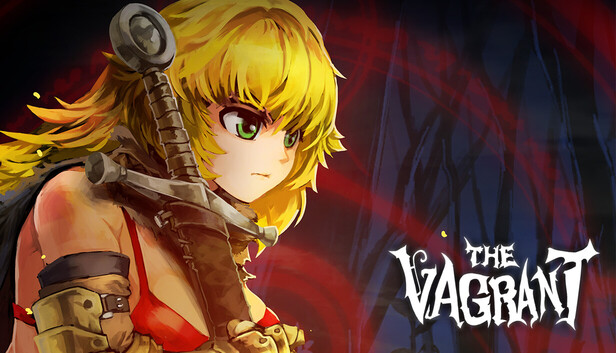
Among 2D action RPGs, Wanderer’s difficulty curve is quite friendly. The beginner tutorial uses small stages to teach jumping, blocking, and skill use; the controls feel solid, avoiding that frustrating “I pressed it, why didn’t it trigger” problem. Early enemies have simple patterns mainly to help you practice timing; as gear and skills gradually unlock, you’ll clearly feel your character getting stronger, with very tangible progression. There is some action barrier, but hitboxes and inputs are fairly forgiving, and most mistakes can be traced back to your own positioning. It’s a good first step into “action + progression,” letting you feel the growth from clumsy to fluid.
9. Rural Anecdotes and Summer Conversations #
 Steam$14.99Ver precio →
If “RPG” to you means grinding and dungeon runs, Summer Tales of Countryside Delights will give you another answer. Here, “leveling up” is more about getting familiar with villagers and finding your own rhythm in the fields. Every action is designed to be intuitive: fishing, farming, chatting—everything is done with clear icons and simple inputs, no dense stat sheets bearing down on you. The story moves at an unhurried pace, evoking the relaxed feel of a summer spent at a grandma’s home in the countryside. For beginners who want an RPG as a “small‑town life simulator,” this has almost no complex combat system, yet quietly packs the warmth of role‑playing into every sunset.
10. Immortal Delicacies, Sacred Feast #
 GOG$7.30Steam $7.30Ver precio →
Feast of Immortal Dishes is well suited to players afraid of frantic button‑mashing. It’s a traditional turn‑based RPG, but with a very calm pace: you have plenty of time to read skill descriptions and plan your next move. The stats are cleanly designed and easy to read, without that overwhelming full‑page spreadsheet. Systems unfold layer by layer along with the story; you’re not buried under all the mechanics at once. The story is like a banquet slowly being served—chatting as you eat, fighting as you get to know your companions. For beginners, it’s a long story to savor; through those unhurried battles, you’ll naturally come to understand status effects, counters, and party composition—the basic concepts of RPGs.
11. Blade of Darkness #
 Kinguin$2.42-83%Steam $2.42Ver precio →
Though it looks like a “Souls‑like” side‑scrolling action game, Dark Blade is actually quite forgiving for newcomers. Enemy moves follow recognizable patterns, and the margin for error isn’t too harsh, encouraging observation and experimentation. The talent tree and gear system use intuitive icons, and each path’s general style is obvious at a glance, so you can plan without consulting guides. Early on, you get clear onboarding: from basic combos to dodge‑and‑counter, all taught in actual combat scenarios, which is very beginner‑friendly for first‑time action RPG players. Amid the pixel lights and shadows, you gradually get more skilled and genuinely feel that you’re “learning how to fight.”
12. After that, the hero vanished without a trace #
 GOG$5.22-29%Steam $5.22Ver precio →
This is a mid‑length, gentle pixel RPG about the journey of ordinary people “after the hero’s story.” Combat is classic turn‑based with low difficulty and clear rhythm; skill descriptions avoid heavy jargon so beginners quickly keep up. Maps and dungeons are relatively simple, the main quest is clearly marked, and you rarely get so lost you question your life choices. Because the length is well controlled, you can experience a full “classic RPG” structure over a few evenings without being overwhelmed by systems, making it a nice light‑weight trial run for the genre.
13. RPG with Extreme Spoilers 2 — My Best Friend’s True Form Is the Demon Lord #
 Steam$8.99Ver precio →
The title already lays out the “spoiler,” and this JRPG simply tosses suspense aside to focus on making you laugh. The battle system is ultra‑simple: few skills, very straightforward effects, and a generally easygoing pace, great as a “first JRPG experience.” Lots of self‑aware jokes and fourth‑wall‑breaking dialogue let beginners enjoy the spectacle while incidentally learning turn‑based rhythms and resource management. It’s not a heavy, overlong blockbuster; it’s more like a light comedy stitched together with gags and twists, turning “JRPG” from something intimidating into something that makes you smile knowingly.
14. GuJian Fantasy Tales (GuJian) #
 Kinguin$3.19-77%Steam $3.19Ver precio →
GuJian is an old name in the world of Chinese single‑player RPGs; its pacing and onboarding have been refined over many years. Early in the game, it patiently introduces core combat and progression; even with little RPG experience, you can follow quest markers all the way through. The xianxia storytelling, music, and cutscenes build a strong atmosphere, ideal for players who like “watching a drama while also fighting.” Because it’s been around for so long and has such a large player base, there are complete beginner guides and walkthroughs online—whenever you get stuck, you can almost always find a solution. If you want a solid, full run at an “old‑school, story‑driven RPG,” this remains a reliable starting point.
These games form a loose but gentle circle of campfires, turning “RPG” from a high‑threshold label into a storybook you can casually open after work. Some teach you to think one move ahead on a grid; some just want to stroll with you through pixel towns; others use jokes to help you remember turn‑based rules. You can start from the lightest cat adventures and countryside summers, then make your way toward tactics and action. One day, when you dare to launch those “scary‑looking” big RPGs on your own, you might look back at this list and realize—you grew into that player one small step at a time.





Comentarios 0
Nos interesa tu opinión
Participa en la conversación y comparte tu opinión sobre este juego.
Aún no hay comentarios. Comparte tu opinión.