























Opening
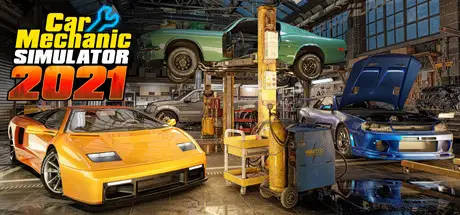
Car Mechanic Simulator 2021 is a first-person garage sim about diagnosing busted cars, ripping them apart, fixing the problem, and flipping them into something clean — and yeah, if that loop sounds even a little satisfying to you, it’s absolutely worth your time.
This is one of those games where “just one job” turns into three hours. You check the car, find the bad parts, unscrew half the engine bay, replace what’s dead, maybe restore the whole thing, then sell it and roll that money back into your shop.
It’s slow. It’s repetitive. It’s basically digital wrench therapy.
But here’s the catch: if you hate clicking bolts, don’t care how cars are put together, or need a big story dragging you forward, this thing will lose you fast. The tutorial barely holds your hand, the early hours can be awkward, and after enough cars, you’ll feel the repetition.
Still, there’s a reason it’s sitting at 95% positive on Steam from over 35,000 reviews. Red Dot Games found a very specific kind of magic here: dirty, fiddly, methodical repair work turned into a weirdly calming routine. PowerWash Simulator is easier to relax with, sure. But this has more teeth. More diagnosis, more parts, more business, more “I actually fixed that” satisfaction.
Story | 5.5/10
Historia: 5.5/10The 30-job Story Mode is basically a guided checklist, not a real plot

Look, if you’re coming into Car Mechanic Simulator 2021 expecting a story with big characters, dramatic turns, rival garages, or some scrappy underdog arc where you build a service empire from nothing… don’t. That’s not really what this game is doing. Story Mode is made up of 30 story missions, and they’re better understood as structured repair orders with a bit of flavor text attached. Someone brings in a car, there’s a problem, you diagnose it, you take it apart, you replace what’s busted, and you send it back out.
And honestly, that structure works better than it sounds. The story here is weak as storytelling, but useful as direction. In a sandbox sim with over 4000 parts and a whole pile of systems to poke at, that matters. The game doesn’t exactly roll out a red carpet for newcomers. The tutorial side is thin, the early hours can feel unfriendly, and if you don’t already know your way around basic car parts, you can spend a lot of time staring at menus wondering what the game wants from you. Those 30 jobs give you a path. Not a gripping path, but a path.
The problem is, once you judge it as a narrative, it starts to fall apart fast. There aren’t memorable characters carrying the mode. There’s no meaningful cast to latch onto. The clients are mostly voices attached to work orders, not people you’re going to remember after the credits, or whatever this game’s version of credits is. You don’t get strong personalities in your garage. You don’t get branching conversations. You don’t get drama. You get a checklist, a lift, a broken car, and a lot of bolts.
So for story, I land pretty low: about a 5.5 out of 10. Not because Story Mode is useless. It’s actually useful. It teaches rhythm. It gives structure. It keeps you moving. But as a story? Come on. It’s barely there. It’s more like the game saying, “Here, fix this one next,” and then getting out of the way.
The real narrative is you slowly becoming a used-car shark

Here’s where the game gets more interesting, though. The best “story” in Car Mechanic Simulator 2021 isn’t written by Red Dot Games in those mission descriptions. It’s the story you start making up in your own head when you stop being just a mechanic and start acting like a slightly obsessive used-car dealer. You go to auctions. You check junkyards. You poke around barns. You buy something in terrible shape, drag it back to the garage, strip it down, rebuild it, clean it up, and flip it for profit.
That loop has way more personality than the actual Story Mode. There’s no big branching choice system here, not in the RPG sense. You’re not choosing factions. You’re not deciding someone’s fate. But you are making practical choices all the time. Do you spend money expanding your workspace? Do you invest in better equipment? Do you take the safe repair job, or do you gamble on a wreck that might become profitable after a full restoration? That’s not “story” in the traditional sense, but it creates a pretty strong role-playing fantasy if you’re into cars.
And that fantasy is why the game works for so many people. It has that same “one more task” pull as something like PowerWash Simulator, but it’s less instantly relaxing and more involved. PowerWash Simulator is easier to melt into because the goal is obvious: make the dirty thing clean. Here, you’re diagnosing, disassembling, repairing, restoring, and sometimes reselling. It asks more from you. It’s clunkier. It’s more repetitive in a fussy way. But when you bring some dead-looking car back to life and sell it for a profit, the satisfaction lands harder.
That’s the emotional hook. Not the written story. Not the clients. Not the 30 mission arc. It’s that slow shift from “I’m just following instructions” to “I know what I’m looking for, I know what this car needs, and I can make money off this.” For the right player, that’s a better narrative than a bunch of cutscenes would’ve been.
Side content is huge, but don’t expect handcrafted quest writing

The side content situation is kind of funny, because this game has loads to do, but very little of it feels like “side quests” in the usual sense. You’re not meeting a bunch of colorful locals. You’re not uncovering little stories around town. The density is mechanical, not narrative. More cars, more jobs, more parts, more places to buy vehicles, more ways to grind toward a better garage. That’s where the volume is.
And to be fair, that volume is serious. With 70-plus cars, over 4000 parts, auctions, junkyards, barns, salons, and a mountain of DLC, there’s a ridiculous amount of stuff here if the loop grabs you. One repair can eat your whole evening. Put headphones on, settle into the rhythm, and suddenly you’ve spent ages hunting down worn-out parts, draining fluids, pulling assemblies apart, and clicking highlighted screws until your brain goes quiet. It’s not exciting in the normal video game way. It’s soothing. Almost weirdly soothing.
But if we’re talking story quality, side content doesn’t add much. Most of it is just more work. Sometimes that’s exactly what you want. Sometimes it’s numbing. After a dozen cars, the illusion can crack, and you realize a lot of the disassembly is clicking highlighted bolts, swapping bad parts for good ones, and doing it again. The game’s educational side is real — you do pick up how cars are put together — but the writing isn’t doing much heavy lifting. The systems are.
That’s why I can’t praise the story side too hard. The content is deep in a garage-sim sense, but shallow in a narrative sense. If your idea of a great side mission is a memorable character with a weird problem and a punchy little payoff, this doesn’t have that. If your idea of a great side mission is “I found a trashed car, rebuilt it, and made bank,” then yeah, this absolutely has that.
No big choices, no real characters, but the checklist grind gives completionists a finish line

There’s also basically no meaningful branching here. That needs to be said clearly. Car Mechanic Simulator 2021 is single-player, first-person, sandbox-leaning, and educational in that quiet way where it teaches you by making you do the job. But it is not a choice-driven story game. You don’t shape the plot. You don’t build relationships. You don’t get key characters who grow across the campaign. The garage is the main character, and even that’s mostly because you keep upgrading it.
The closest thing to story progression is the checklist. Finish the 30 story jobs. Expand your services. Buy better equipment. Move into bigger repairs. Chase achievements, including the one for clearing everything and finally being told, basically, “yeah, maybe take a vacation now.” That kind of goal matters in a game this repetitive. It gives completionists a finish line, even if the finish line is more of a stamped form than a dramatic ending.
And honestly, that’s probably the right call for this game. A big forced narrative might’ve gotten in the way. The appeal is the trance. Diagnose, remove, repair, replace, test, sell. Again and again. The story missions give new players rails. The sandbox gives experienced players room. The business layer gives your repairs a reason beyond “because the order says so.” But the writing itself? Thin. Very thin.
So the story score sits in that middle-low space for me. It’s not broken. It’s functional. It does its job like a basic replacement part: not fancy, not exciting, but it keeps the machine running. Just don’t buy Car Mechanic Simulator 2021 for plot, characters, or meaningful decisions. Buy it because you want to lose an evening to a broken car, a long parts list, and the weird satisfaction of turning mechanical mess into money.
Audio | 6.5/10
Sonido: 6.5/10The garage sounds better than the soundtrack does

The best audio in Car Mechanic Simulator 2021 is the stuff you almost stop noticing. The garage hum. The little tool noises. The clinks, the lifts, the ratchets, the quiet mechanical feedback when you’re buried inside an engine bay and chasing one bad part through a mess of perfectly clickable bolts.
That matters, because this game lives or dies on repetition. You diagnose, you strip parts out, you repair what you can, you replace what you can’t, and then you put the whole thing back together like some weirdly calming mechanical puzzle. The sound design backs that loop up pretty well. It doesn’t make every job feel dramatic, but it does make the garage feel like a place you can stay in for hours. And honestly, that’s the whole trick here.
The music, though? That’s where I land at a 6.5 out of 10 for the audio side. It’s functional. It fills space. It doesn’t annoy me, which is something. But it also doesn’t give the game much identity. For a sim with 4000-plus parts, 70-plus cars, and enough DLC to swallow whole weekends, the soundtrack feels more like background wallpaper than something that pulls you deeper in.
Clicking bolts shouldn’t be this relaxing, but here we are

The tool feedback is doing a lot of heavy lifting here. Pulling parts off a car is still basically clicking highlighted screws, removing a component, swapping it, and doing the same thing in reverse. Let’s not pretend it’s some wild physical simulation. After a dozen cars, yeah, you’ll feel the repetition. But the audio makes that repetition smoother than it has any right to be.
The little mechanical sounds give each action a tiny reward. Unscrewing, removing panels, working around suspension, popping parts in and out — it all has that clean, tidy feedback you want from a job-based sim. Painting has its own satisfying layer too. It’s not flashy, but it gives the act of restoration a bit of texture. You’re not just watching a menu number go up. You’re hearing the process happen.
And when you move out of the garage, the test track gives the game a few of its better audio moments. The engine sounds aren’t perfect, and real car nerds are absolutely going to notice inaccuracies across the simulation, audio included. But when a rebuilt car finally fires up and moves under its own power, there’s a nice little hit of satisfaction there. Not huge. Not cinematic. Just enough to make the work feel paid off.
Bring your own playlist, and the game suddenly makes more sense

There’s basically no reason to come to Car Mechanic Simulator 2021 for voice performance. This isn’t a character game. It’s single player, first person, sandboxy, and quietly educational, but it’s not trying to tell some big story through voiced NPCs. So if you’re expecting personality, banter, or memorable performances, wrong garage. The game’s “voice” is the click of tools and the rhythm of fixing one broken system after another.
And that’s also why it works so well with headphones and your own music or a podcast. The built-in audio gives you enough garage atmosphere to stay grounded, but it leaves room for you to settle into that zone where one repair turns into three, and suddenly the evening’s gone. That’s the part this game nails better than a lot of cleaner, more approachable chill games. PowerWash Simulator is easier to slip into, sure, but Car Mechanic Simulator 2021 has more going on once you start buying, restoring, and flipping cars.
So yeah, the audio isn’t amazing. The music is plain, the lack of strong voice work means there’s no personality boost, and some mechanical details won’t satisfy people who know cars inside out. But the garage ambience and tool sounds understand the assignment. They make the grind feel focused, calm, and weirdly productive. For this kind of game, that counts for a lot.
Visuals | 7.0/10
Gráficos: 7/10The garage looks sharper than 2018, but don’t expect showroom magic

Visually, Car Mechanic Simulator 2021 is a clear step up from the 2018 game. It’s cleaner. It’s crisper. The lighting feels less flat, the garage has more polish, and the whole thing looks more like a modern workshop instead of a slightly dusty tech demo. But here’s the thing: it’s not a jaw-dropper. This is a 7 out of 10 graphics job for me. Solid, tidy, readable, and totally fit for purpose, but not the kind of game where you stop working on a car just to stare at the scenery.
Where it does shine is the car and part modeling. That matters way more here than fancy sunsets or cinematic lighting. You’re staring at engines, suspension, exhaust systems, brake parts, body panels, and tiny components for hours, so if those looked cheap, the whole fantasy would fall apart. Red Dot Games gets the important stuff right. The parts have enough shape, texture, and physical presence that taking a car apart feels satisfying. With 4000+ parts in the game, it would’ve been easy for everything to blur together, but most of the time, you can actually tell what you’re handling. That’s a huge deal for a game built around diagnosis, disassembly, repair, and restoration.
The cars themselves also look good enough to sell the loop. Not photoreal. Not “is this real life?” good. But clean and believable. When you drag some wreck out of a junkyard, strip it down, replace half its guts, repaint it, and roll it back out looking fresh, the visual payoff works. That before-and-after hit is basically the game’s whole reward system, and the graphics carry that better than I expected.
The catch is, the environment doesn’t have the same wow factor. The garage is functional and nicely lit, but it’s still a workspace first. You’re not getting rich environmental storytelling or some dramatic mood piece. You get tools, lifts, workbenches, machines, parts, and cars. Honestly, that’s fine. This game isn’t trying to be pretty in a cinematic way. It’s trying to make mechanical labor feel clean, readable, and oddly relaxing. On that front, it does the job.
Junkyards, auctions, and paint booths give the game more personality than the garage alone

The best-looking moments aren’t always inside the main garage. The auction house, junkyard, barns, and car salon do a lot to keep the game from feeling like you’re trapped in one sterile repair bay forever. They’re not massive, complex locations, but each one has a clear mood. The auction house feels like a place where you’re gambling on potential. The junkyard has that “maybe there’s treasure under all this garbage” energy. The barns and salons help sell the fantasy that you’re not just fixing jobs — you’re building a little service empire, buying rough cars, restoring them, and flipping them for profit.
That variety matters because the core action is repetitive. Let’s be blunt: a lot of this game is clicking highlighted bolts, removing parts, replacing parts, and doing it again. So the visuals need to give your brain little rewards. A rusty shell in the junkyard. A clean car under showroom lights. A half-finished project sitting on the lift. A fresh paint job after you’ve been staring at grime and bad panels for an hour. None of this is flashy, but it helps the loop feel more physical.
The paint system is one of the better visual toys in the game. It gives you a reason to care about the car as an object, not just a list of broken parts. Being able to customize the exterior makes restoration feel personal. You’re not only returning a vehicle to working order; you’re putting your stamp on it. And for a game with 70+ cars and a mountain of DLC, that matters. If every finished build looked basically the same, the long-term grind would lose a lot of charm.
I do wish the scene design had a bit more dirt, mood, and roughness. For a game about greasy, exhausting repair work, everything can feel a little too clean and controlled. Real garages are messy. Real junkyards are nasty. This game gives you the fantasy version: organized enough to be playable, dirty enough to suggest work, but never truly grimy. That’s probably the right call for readability, but it does make the world feel a bit safe.
No ray-traced fireworks, just a stable PC look that keeps the bolts readable

Technically, this is not a graphics showcase. If you’re looking for ray tracing, DLSS talk, ultra-modern lighting tricks, or big-budget material work, this isn’t that game. And honestly, it doesn’t need to be. Car Mechanic Simulator 2021 lives or dies on clarity. Can you see the part? Can you understand what you’re removing? Does the engine bay stay readable when you’re buried three layers deep? Most of the time, yes. That’s more important here than reflections that melt your GPU.
The upside is that the game feels hardware-friendly. It looks cleaner than the 2018 entry, but it doesn’t feel like it’s asking for some monster setup just to render a garage and a half-disassembled car. That’s a good tradeoff for this kind of simulator. You’re meant to settle in, put on headphones, and lose an evening to one repair job. The graphics should stay out of your way, not make your machine sound like it’s about to join the junkyard.
On platform differences, I’m mainly judging the Steam PC version, because that’s the version tied to the game’s huge player base and that 95% Steam rating from 35,636 reviews. And on PC, the presentation feels steady and practical. I wouldn’t call it visually ambitious, but it is consistent. There’s no sense that the art direction is fighting the mechanics. The first-person view also helps. You’re not watching a mechanic work from a distance; you’re standing right there, looking at the lift, the tools, the wheel hub, the engine block. That closeness makes the modest visuals feel more convincing than they might in a third-person game.
The weak spot is that the simplicity can expose itself after a while. Once you’ve repaired a dozen cars, you start noticing repeated visual rhythms. Similar motions. Similar part interactions. Similar garage angles. The models are doing a lot of heavy lifting, but the tech underneath doesn’t create many surprising moments. It’s dependable, not exciting.
The UI is clean enough to work, but it still feels like a tool bench with missing labels

The interface is mostly built around function, and that’s the right choice. In a game with 4000+ parts, repair orders, shopping lists, diagnostic tools, inventory management, auctions, junkyards, barns, salons, and car flipping, the UI has to keep you moving. For the most part, it does. Highlighted parts, menus, and interaction prompts make the repair process readable, even when the car itself is becoming a metal puzzle box.
But I’m not going to pretend it’s elegant. The early hours can be rough, especially if you’re new to car mechanics. The game has almost no tutorial, and the localization can be awkward, so the UI ends up carrying more teaching weight than it should. Sometimes it feels like the game assumes you already know what half this stuff is, and if you don’t, well, good luck. That’s where the educational side gets a little accidental. You genuinely can learn how cars are put together, but the interface doesn’t always guide you gently into that knowledge.
Visually, the UI matches the rest of the game: clean, practical, not stylish. It’s not ugly. It’s not distracting. It just has that simulator-menu feel, where everything is there because it needs to be there, not because someone wanted it to look cool. And honestly, I’ll take that over some overdesigned mess. When I’m hunting for a broken part or trying to remember what I still need to buy, I want clarity.
Still, the UI could do more to reduce repetition fatigue. Since so much of the game becomes clicking screws, checking condition percentages, ordering parts, and swapping components, smoother menus and better onboarding would make a big difference. The graphics side of the UI supports the game, but it doesn’t elevate it. That’s kind of the story of the whole visual package: better than before, stable, readable, and satisfying when a restoration comes together — just not spectacular.
Combat | 8.0/10
Jugabilidad: 8/10The whole game lives or dies on “what’s broken, how deep do I have to dig?”

The basic loop here is simple, and honestly, it’s the reason this thing works. A car rolls in. Something’s wrong.
You poke around, diagnose the problem, tear the car apart, fix or replace the bad bits, put it back together, test it, get paid, and then somehow it’s two hours later and you’re still in the garage.
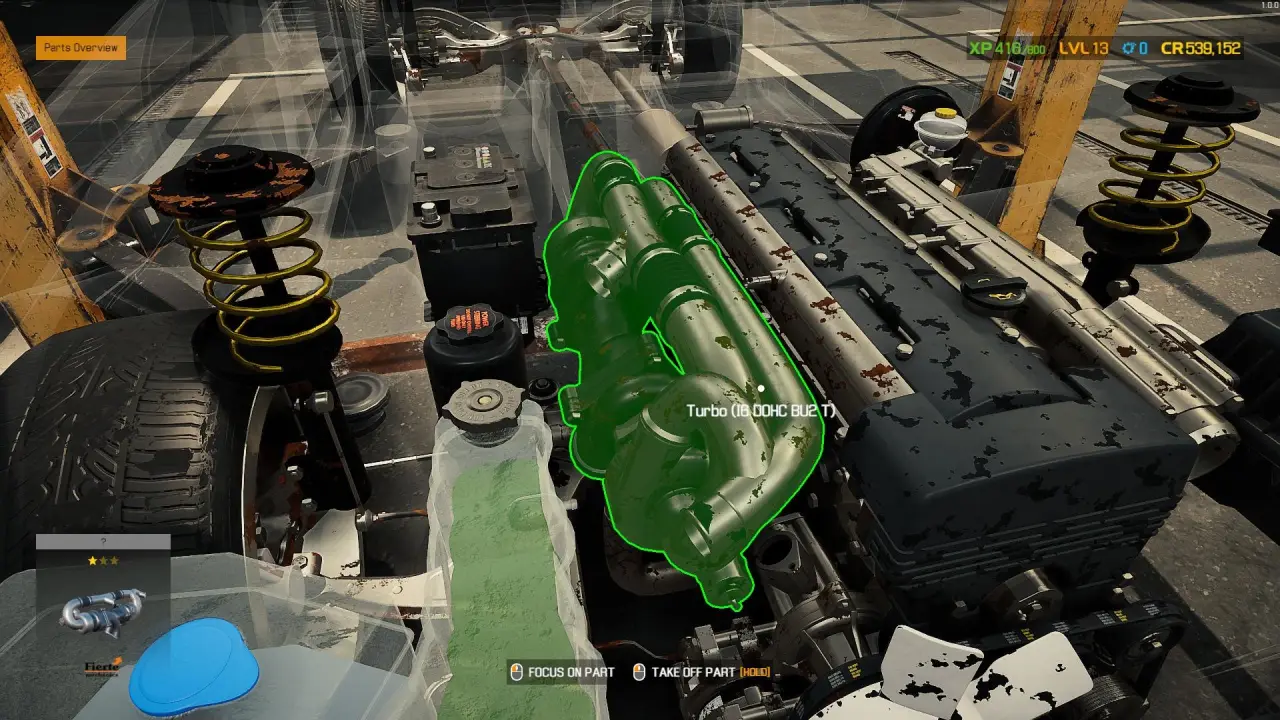
What makes Car Mechanic Simulator 2021 click is that it doesn’t treat “fix the car” like one magic button. You’re moving around in first person, opening panels, lifting the car, pulling wheels, taking off brake parts, digging into the engine bay, and trying to figure out where the actual fault is. Sometimes the game tells you the customer complaint. Sometimes you need to do the detective work yourself. You’ve got tools like the OBD scanner, a multimeter, oil pressure testing, and compression testing, and when those tools narrow things down, it feels good. Not flashy. Not dramatic. Just that nice little “yep, found you” moment.
And then comes the dirty part: disassembly. This is where the game is both satisfying and a little absurd. You’re clicking highlighted screws. A lot of highlighted screws. You remove a part, remove the part behind that part, then remove the part behind that one, because of course the broken thing is buried in the most annoying spot possible. But there’s a strange comfort to it. It’s not exciting in the normal video game sense. It’s closer to doing a puzzle with greasy hands. You’re not fighting a boss. You’re fighting access.
The best jobs are the ones where diagnosis, teardown, repair, and testing all feed into each other cleanly. You inspect the car, confirm the bad part, pull it apart, either repair what you can or buy a replacement, bolt everything back together, and run tests to make sure you didn’t miss anything. That’s the good stuff. That’s the reason the game has that strong reputation among repair sim fans. The feedback loop is clean, repetitive, and weirdly calming.
But let’s not pretend it’s perfect. After a dozen cars, you start to see the seams. A lot of jobs become “find the orange part, click the screws, swap it, repeat.” If you hate repetitive actions, this game will find that weakness fast. The sim side is detailed enough to impress casual car fans, with over 4000 parts and more than 70 cars, but real gearheads will absolutely spot inaccuracies. It calls itself a simulator, and it is one, but it’s still a game built around readable systems, not a perfect shop manual.
The garage upgrade grind is where it stops being just repair work

Here’s where Car Mechanic Simulator 2021 gets smarter than it first looks: you’re not just fixing random cars forever. You’re building a business. You start with limited tools and space, then you upgrade equipment, expand the garage, and slowly turn the place into something closer to a service empire. That layer matters, because without it, the game would just be a long checklist of brake pads and timing belts.
The progression gives you a reason to care about efficiency. Better tools mean better diagnosis. More workspace means more flexibility. New equipment opens up more services. It’s not some deep management sim where you’re balancing staff schedules and tax forms, thankfully, but it gives the repair loop a direction. You’re always thinking, “If I take a few more jobs, I can afford the next useful thing.” That’s enough. It keeps the grind from feeling totally flat.
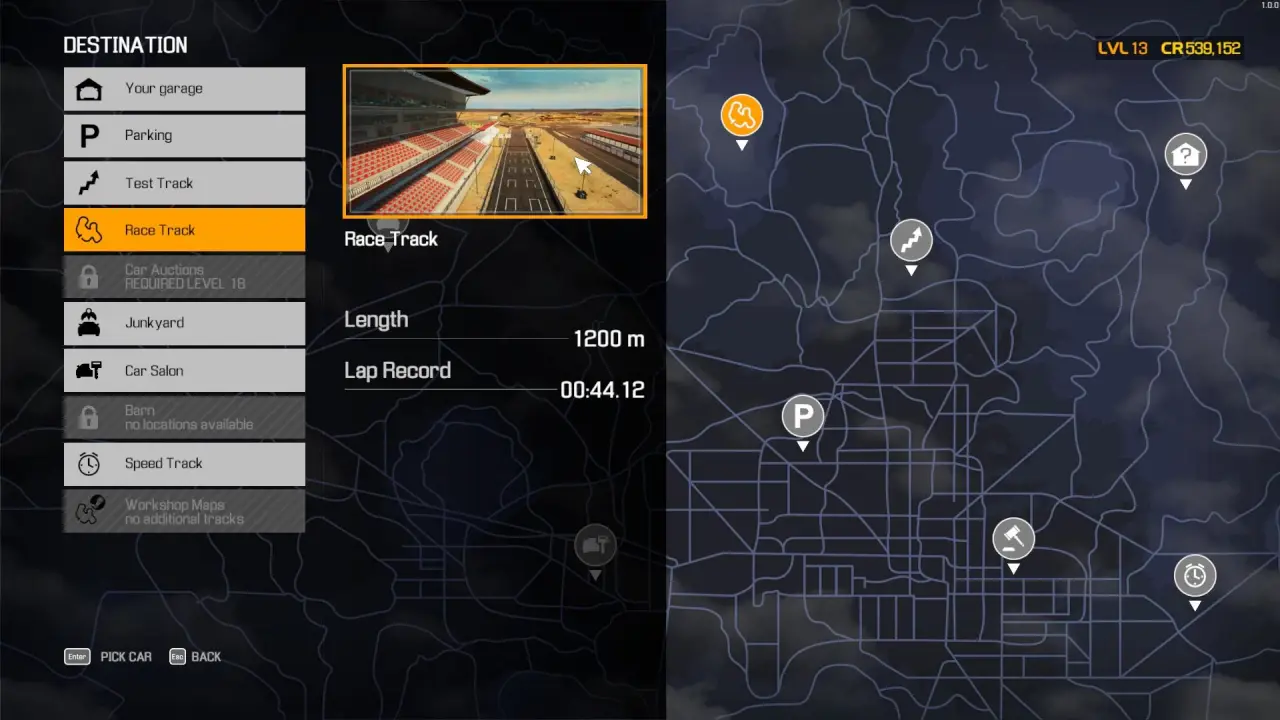
The money side gets even better once you start hunting for cars yourself. Auctions, junkyards, barns, and salons all feed into that fantasy of finding something rough, dragging it back to your garage, restoring it, and flipping it for profit. That’s one of the strongest parts of the game. Customer jobs are fine, but buying a wreck, rebuilding it piece by piece, and selling it for more than you paid? That one lands. You’re not just completing someone else’s checklist. You’re making the car yours for a while.
That buy-fix-sell rhythm also gives the sandbox side some teeth. You can chase profit. You can restore cars because you like them. You can spend way too long making something clean that probably didn’t deserve that much attention. And because the game has a mountain of DLC on top of its already chunky base garage, there’s a ridiculous amount here if this loop grabs you. I totally get why the Steam score sits at 95% positive from 35,636 reviews. When this game gets its hooks in, it doesn’t need drama. It just needs one more car.
The catch is the early hours are rougher than they should be. The tutorial support is thin, and if you’re coming in with zero car knowledge and no patience, the game can feel cold. It teaches by making you stumble around. Some players will love that. Others will bounce off before the relaxing part actually kicks in.
PowerWash Simulator is easier comfort food, but this has more bite

The obvious comparison is PowerWash Simulator, because both games live in that same “turn your brain down, do a task, watch the mess become order” space. PowerWash Simulator is cleaner, simpler, and way easier to understand. Dirt is there. You spray dirt. Dirt goes away. Done. It’s basically instant relaxation.
Car Mechanic Simulator 2021 asks more from you. Sometimes too much, especially early on. You need to learn where parts are, what tools do, what symptoms might mean, and how deep you need to tear into a vehicle before you can even touch the broken component. That makes it less immediately soothing than PowerWash Simulator. But it also gives it more depth. When you finish a repair here, especially a full restoration, there’s more pride in it. You didn’t just clean a surface. You diagnosed a machine, took it apart, rebuilt it, tested it, and maybe sold it for a profit.
That’s the big difference. PowerWash Simulator is pure relaxation. Car Mechanic Simulator 2021 is relaxation with friction. The friction is the point, but it’s also the problem. Clicking bolt after bolt after bolt can become hypnotic, or it can become boring. It depends entirely on what kind of player you are. If you enjoy focused repetition, this is a headphone game. Put something on in the background, start one repair, and suddenly your whole evening is gone. If you need constant novelty, you’re going to feel the repetition hard.
For me, the gameplay lands at an 8 out of 10. The loop is strong. The business layer helps a lot. The car-flipping economy gives the sandbox a real purpose. And the game quietly teaches you how cars are put together without acting like a classroom. But it’s also not a huge leap from the 2018 entry, the innovation is limited, and the screw-clicking repetition is very real.
So yeah, this is not for everyone. If you want story, speed, or big moments, don’t come here. But if the idea of diagnosing a bad part, tearing through a car to reach it, rebuilding the whole thing, and watching your garage slowly grow sounds satisfying, Car Mechanic Simulator 2021 is still one of the safest bets in the repair sim garage.
Content | 9.0/10
Contenido: 9/10The magic trick is turning one repair job into an entire evening

Here’s the thing with Car Mechanic Simulator 2021: it sounds boring when you describe it honestly. You diagnose a busted car, you take parts off, you replace or repair them, you put everything back, and then you get paid. That’s the loop. That’s basically the game. And somehow, it works way better than it has any right to.
The reason is the rhythm. One job starts as, “Okay, I’ll just fix the brakes.” Then you’re checking the suspension, pulling off wheels, hunting for one bad part, realizing you need to upgrade your workspace, ordering pieces, maybe repairing something yourself, and suddenly half your night is gone. It’s not exciting in the big flashy sense. It’s satisfying in that “my brain is quiet now” way. You’re clicking bolts, pulling assemblies apart, and slowly turning chaos into a working machine.
And when it clicks, it really clicks. The game has over 4000 parts and more than 72 cars, so even though the act of taking things apart can be pretty simple — yeah, a lot of it is clicking highlighted screws — the scale gives the loop real weight. You’re not just swapping a magic “engine part.” You’re dealing with layers of components, and over time you start to understand how the whole thing is put together. Not in a scary classroom way. More like, “Oh, I actually know where that goes now.”
That’s why I’d give this content side a 9 out of 10. Not because every second is deep. It isn’t. After a dozen cars, you’ll absolutely feel the repetition. But the feedback is so clean, and the pace is so weirdly calming, that the repetition becomes the point. Put on headphones, zone in, and let the garage swallow you.
Auctions, junkyards, barns, and salons make the garage feel bigger than the jobs board

The best part is that you’re not just waiting around for customers to hand you chores. Car Mechanic Simulator 2021 gives you four different ways to go hunting for cars: auctions, junkyards, barns, and salons. And that matters, because it turns the game from “fix this list of problems” into “what kind of mechanic do I want to be today?”
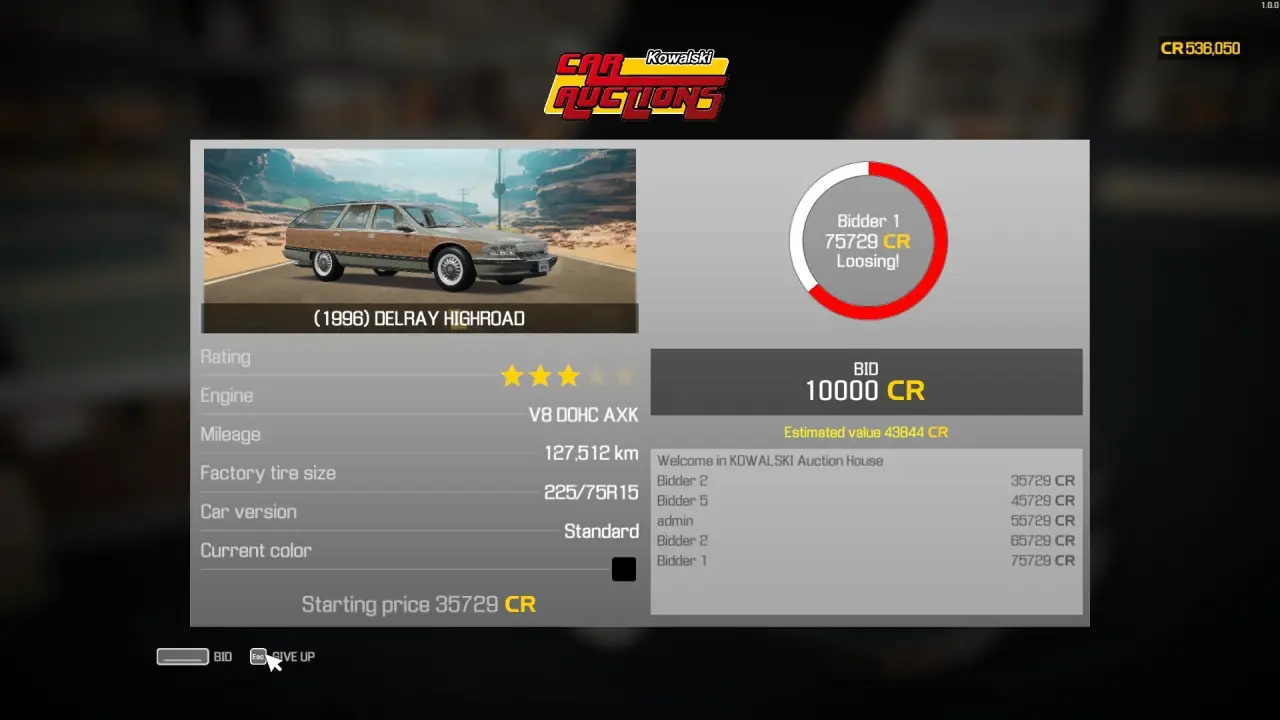
The auctions are where the business brain kicks in. You’re looking at cars in different conditions, trying to judge whether they’re worth the money, and thinking about the flip before you even own the thing. Junkyards and barns have that treasure-hunt feeling, where you’re digging through beat-up machines and imagining what they could become. The salon is cleaner, obviously, but the real fun is taking something rough and dragging it back from the dead.
That buy-restore-sell loop gives the game a backbone beyond basic repair orders. You’re not only fixing cars. You’re building a little service empire, which is exactly the fantasy Red Dot Games and PlayWay S.A. are selling here. You expand your workspace, invest in equipment, take on more serious work, and gradually stop feeling like some guy with a wrench and start feeling like you run the place.
And honestly, that’s where it beats a lot of cozy “clean-up” style games for me. PowerWash Simulator is easier to understand and more instantly relaxing. You point, you spray, the dirt goes away. Beautiful. But Car Mechanic Simulator 2021 has more bite. There’s diagnosis, there’s buying and selling, there’s restoration, and there’s a little bit of risk when you’re deciding whether a wreck is worth saving. If you’ve got even a small interest in how cars work, that extra layer gives you a much stronger sense of ownership.
The DLC pile is ridiculous, and that’s why the long tail works

This is also one of those games where the content pile is doing a lot of heavy lifting. The base game already has a huge garage of parts and cars, but the DLC ecosystem is a big reason people keep coming back. There are loads of real-brand recreated car packs, and if you’re the kind of player who gets excited seeing a familiar badge roll into the shop, that stuff matters.
Now, I’m not saying every player needs to buy a mountain of DLC. You don’t. The base game already has enough to keep you busy for an absurd amount of time. But the value of those packs is that they keep the routine fresh without changing the core loop. You’re still diagnosing, disassembling, fixing, restoring, and flipping. The difference is that a new car can make the same old process feel just new enough to pull you back in.
That’s the long-tail strength here. Some games end when the campaign ends. This one doesn’t really have that problem, because it’s single player, sandbox-driven, and built around repeatable work. There’s no big narrative pushing you forward, and if you need a strong story or constant surprises, yeah, you’re probably going to bounce off it. But if you like self-directed goals — restore this wreck, make a profit, finish this collection, build out the garage — the replay value is almost absurd.
And with the game available across PC, PS5, Xbox, and Switch, it’s not trapped in one little corner of the audience either. That helps the community stay alive, and it helps the game keep that “I can always go back” feeling. It’s the kind of thing you reinstall months later because you just want one quiet repair job. Then, of course, one repair job becomes three.
It’s not the cleanest simulator, but it knows exactly how to hook the right player

Let’s be blunt: this is not perfect. If you’re a serious car nerd, some of the inaccuracies are going to annoy you. It calls itself a simulator, and it does care a lot about detail, but it’s still a game. There are shortcuts. There are simplifications. There are moments where the “simulation” part bends so the clicking-and-progress part can keep moving.
The early hours can also be rough. There’s almost no tutorial, and the localization can be clunky, so if you come in knowing nothing about cars and you don’t have patience, the game does not gently hold your hand. It sort of tosses you into the garage and expects you to figure out what that weird noise means. Some players will love that. Others will open the menus, stare at the parts list, and uninstall.
And yeah, if you played the 2018 entry heavily, this can feel more like a careful refresh than a huge jump. The innovation is limited. The formula is familiar. But that’s also why the reception makes sense: on Steam it’s sitting at 95% positive from 35,636 reviews, marked Overwhelmingly Positive. People aren’t responding to some wild reinvention. They’re responding to a loop that’s stable, dense, and reliable.
So the recommendation is pretty clear. If you hate repetitive work, don’t come here. If you need explosions, drama, or a tight story, this is not your garage. But if you enjoy focused, hands-on tasks, if you like machines, or if you want a game that turns dirty, tiring real-world repair work into something calm and weirdly therapeutic, Car Mechanic Simulator 2021 is one of the safest bets in the whole repair-sim space.






Comentarios 0
Nos interesa tu opinión
Participa en la conversación y comparte tu opinión sobre este juego.
Aún no hay comentarios. Cuéntanos qué te parece este análisis.