DLCMiddle-earth: Shadow of Mordor - GOTY Edition Upgrade~ $30.13~ $1.57-95%→vía Kinguin
Este juego se ha incorporado recientemente. La gráfica se completa conforme se acumulan los registros diarios. Consulta las ofertas de arriba o configura un objetivo para recibir un correo cuando una oferta disponible en la región seleccionada sea igual o inferior a ese importe.
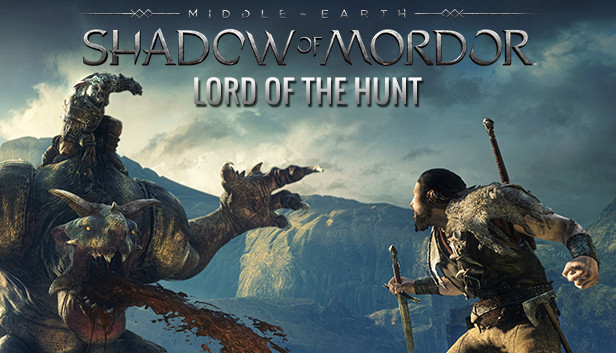

“The Nemesis System bakes defeat, revenge, and promotion into everyday play, so every orc in Mordor becomes a grudge-holding rival you actually remember.”
Whether Shadow of Mordor is worth dozens of your hours today comes down entirely to what you want out of it.

Set it back in its moment. At launch in 2014 the game arrived in sweep mode: over 50 "Best of 2014" honors, Game of the Year at the Game Developers Choice Awards, and Game of the Year from GameSpot. Nearly all of that weight rests on one thing — the Nemesis System.
How singular is it? Warner Bros. patented the mechanic, with protection stretching to 2036 — a genuine rarity in this industry, where most mechanics are borrowed back and forth, everyone cribbing from everyone as the field moves on; very few core designs get fenced off by a single company through the courts. The upshot is that more than a decade later, no other game has been able to openly reproduce "the enemy remembers, grows, and retaliates." Countless players and developers have wished aloud that this system would become an open-world standard, and it stays locked in Mordor instead. Oddly, that's only sharpened the game's scarcity: not just a good game of its year, but a one-off with no legal heir to this day. Saying it canonized the whole package almost single-handedly isn't a stretch.
So who fits it now? If you love crisp melee and have long since tired of the "map dusted with question marks, clear one then the next" checklist open world, it still hits hard. It bakes the abstractions — defeat, revenge, promotion — into every hour of ordinary play, so you walk away able to tell a friend a concrete "me and that one orc" story. A lot of icon-stuffed modern open worlds can't hand you that.
The other way around, two camps should think twice. One is the hardcore faithful here for rigorous Tolkien; the game's adaptation runs too loose — Celebrimbor's role, Talion as an invented lead parked in Mordor — and you'll likely frown the whole way. The other is anyone with high demands on fidelity and campaign volume: as an early new-gen title the spec sheet has been overtaken and the detail betrays its age in places, and the main story is genuinely short, the 20-captain frame showing its loop late on. If the first things you check when buying a game are whether the visuals top out and whether the campaign runs long and cinematic, this won't suit your appetite — and that's worth saying up front.
Held against its peers, the most direct rival is Batman: Arkham City. On pure combat feel, Arkham is the more polished article; where it loses is the enemies. Arkham's villains are fixed scripts — they don't hold your defeats against you, and they certainly don't level up for beating you. This is exactly where Shadow of Mordor overtakes it: it turns "the enemy" from a preset piece of content into a relationship that grows. The later sequel, Middle-earth: Shadow of War, pushed the Nemesis System out into sieges and fortress warfare, and this game is the bedrock that system was built on.
So it's neither the once-a-decade answer for the industry nor merely an Arkham clone in a Middle-earth skin. It's more like a blade you've carried for years: the edge does show wear, but it still sits right in the hand.
For anyone who loves action combat and is fed up with the checklist open world, draw this old blade today and it still cuts. It won't dazzle you with fidelity and it won't move you with its plot, but it will hand you a fistful of stories about specific orcs who specifically wronged you — and a decade of imitators failing to copy that trick is the loudest possible argument for why you should still play the original.
Opiniones de jugadores 0
Nos interesa tu opinión
Participa en la conversación y comparte tu opinión sobre este juego.
Aún no hay opiniones de jugadores. Comparte tu valoración.