
Noticia
Bunny Garden 2 Adds Twin-Tail Lolita Roro in New Update
Bunny Garden 2's new 10-second trailer shows a twin-tailed lolita character in a sweet-yet-cutting promo. With six heroi














Compared with several AAA titles in recent years that were targeted right at launch, Crimson Desert is facing this wave of attention even faster. According to foreign media reports, the hacker group Kirigiri has already begun studying how to use “Hypervisor” technology in an attempt to bypass the Denuvo protection used in the game.
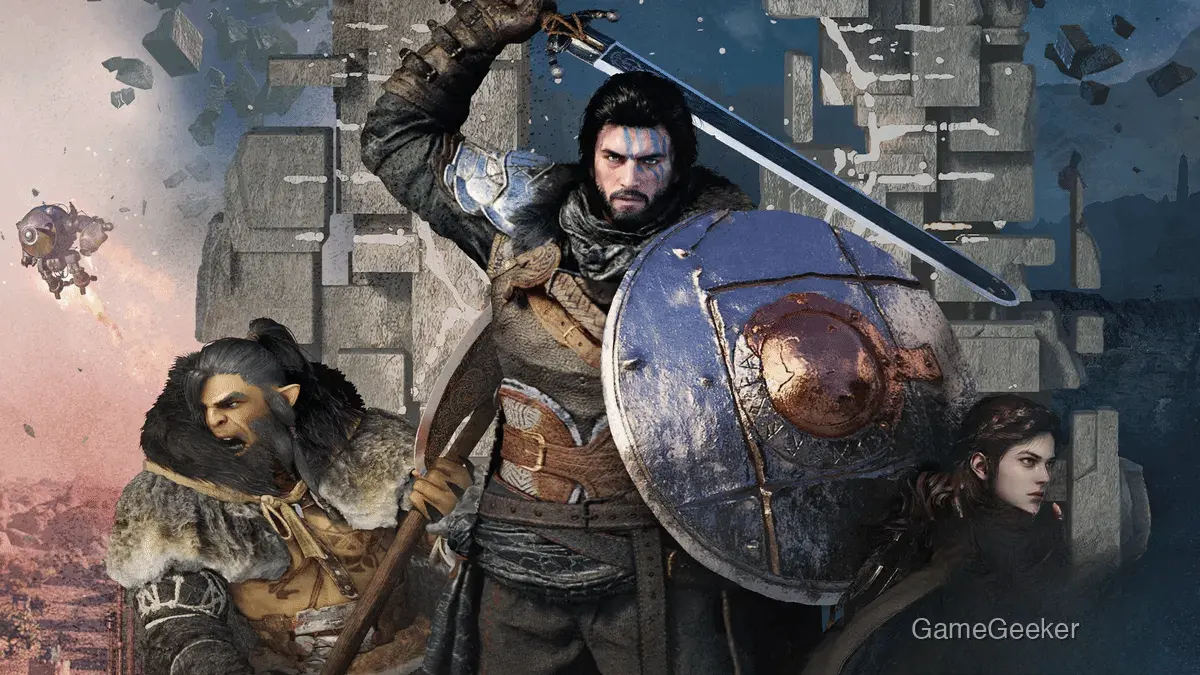
According to current claims, Crimson Desert had only been on sale for a few hours before it had already entered the stage of crack research. In related discussions, Kirigiri also sent out highly aggressive signals, saying that the number of testers was already sufficient and claiming that the crack would be completed “tomorrow.” Viewed from another angle, this is different from past cases where some games would first be observed for days or even weeks after release; this time, it feels more like direct pressure being applied right in the launch window.

If compared with similar news stories, what is really worth paying attention to here is not just whether an unauthorized version of Crimson Desert will appear soon, but that the battle between Denuvo and crackers seems to be moving in a new direction. The Hypervisor mentioned in the report essentially indicates that the other side is not merely repeating the same old methods, but is looking for a new way around the protection. In contrast, players would do better to treat this as an industry development rather than taking “completed tomorrow” as an established fact. After all, until concrete results actually emerge, everything still remains a one-sided statement from Kirigiri.
From the perspective of player experience, this kind of news often quickly splits community sentiment: one side focuses on performance, optimization, and the stability of the launch version; the other keeps an eye on whether the protection will be broken. But no matter which platform people play on—PC, console, or handheld—the bottom line is actually the same: piracy and cracking involve using paid products without authorization, which not only infringes on the rights and interests of developers and publishers, but also carries clear legal and ethical risks.
Compared with many discussions that are just watching the spectacle, my advice is straightforward: if you were already on the fence about Crimson Desert, then keep watching the launch reception, optimization feedback, and subsequent updates, rather than treating so-called “cracking progress” as a basis for purchase. Whether a game is worth buying ultimately depends on the completeness of its content, its performance in operation, and the quality of its ongoing support—not on how quickly its protection can be bypassed.
From a trend perspective, the security battle surrounding major releases in recent years increasingly resembles a tug-of-war that begins the moment a game launches. Publishers are reinforcing protection, while cracking groups are changing tools and methods; this time, Crimson Desert has simply brought that confrontation back into the spotlight.




Comentarios 0
Nos interesa tu opinión
Participa en la conversación y comparte tu opinión sobre este juego.
Aún no hay comentarios. Comparte tu opinión.