Noticia
iPhone 17 Pro's Cosmic Orange finish chips within a year as aluminum proves softer than titanium
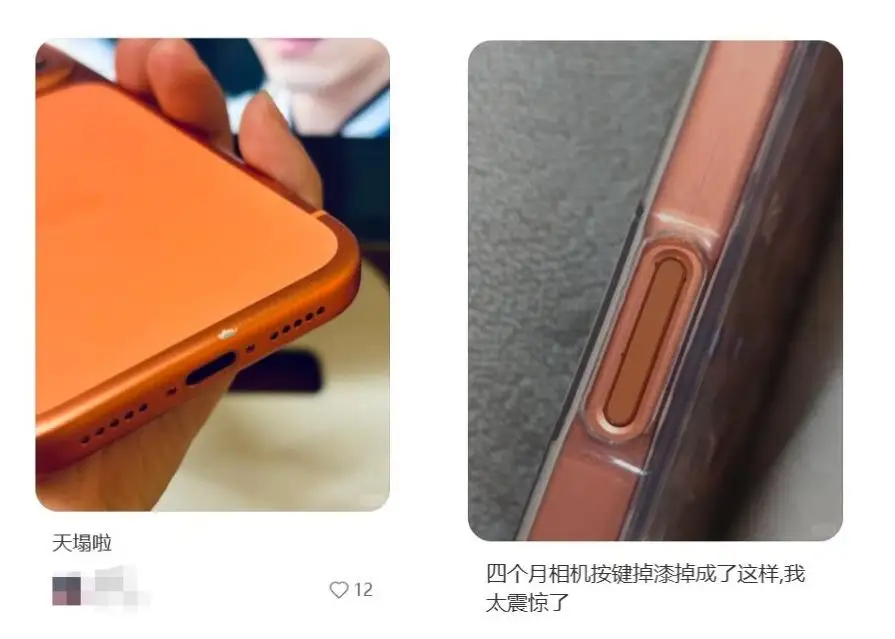
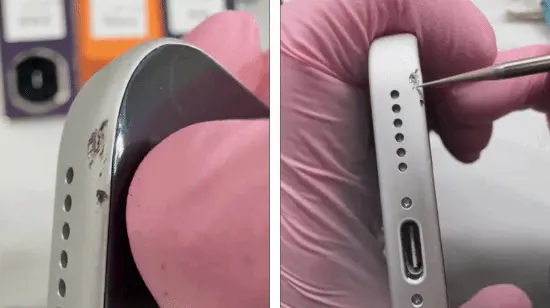
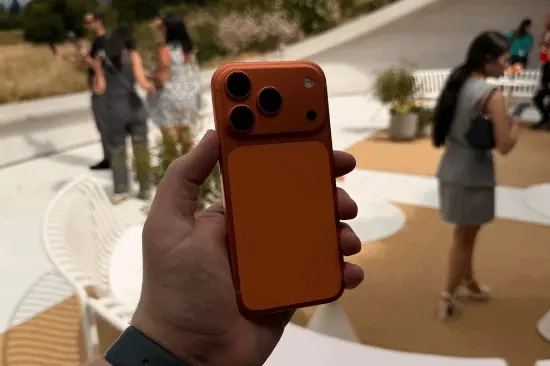
The iPhone 17 Pro's Starry Orange finish is chipping within a year of launch, raising concerns about
















On April 25, users unboxing their orange-bordered iPhone 17 Pro Max discovered an unsettling flaw: the razor-thin aluminum frame crumples like foil under everyday bumps, leaving deep dents and creases that even cases can't prevent.
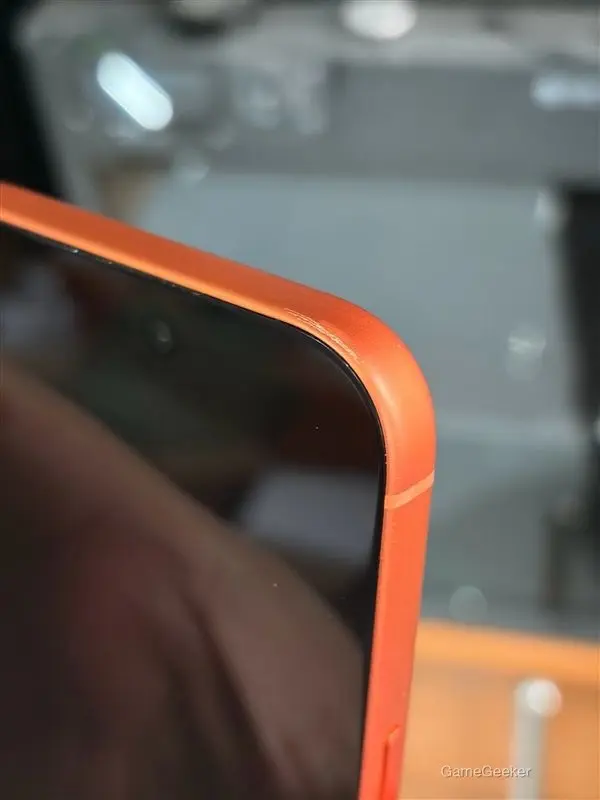
Apple's material choice here marks a risky step backward. The iPhone 17 Pro series ditches the previous generation's titanium frame for a unibody aluminum design with quad-curved edges, compressing the frame's material thickness to its absolute limit. The core issue: aluminum is inherently softer than titanium, and when pushed to ultra-thin dimensions, durability becomes nearly impossible to maintain.
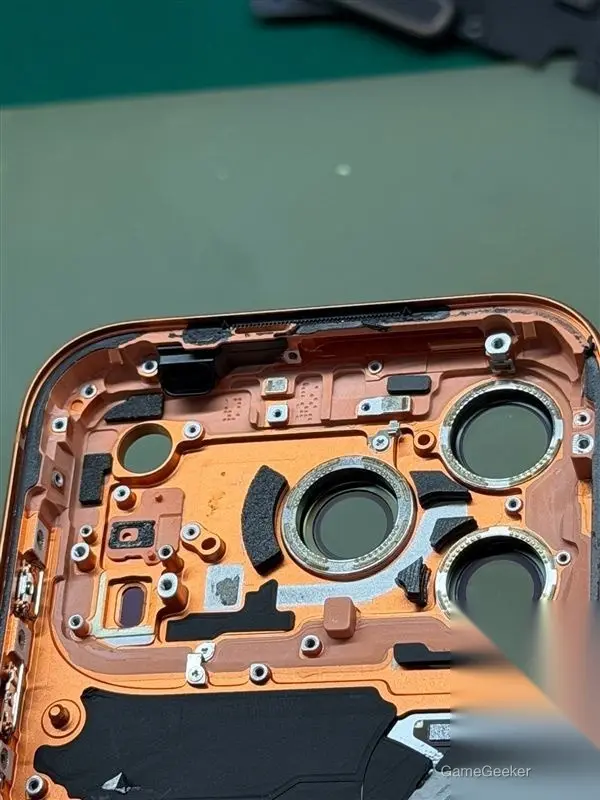
Cost considerations may explain this shift, but for a flagship device priced over ten thousand yuan, buyers expect build quality that matches the price tag. When a phone shows battle scars after just weeks of normal use, no amount of marketing can bridge that psychological gap.
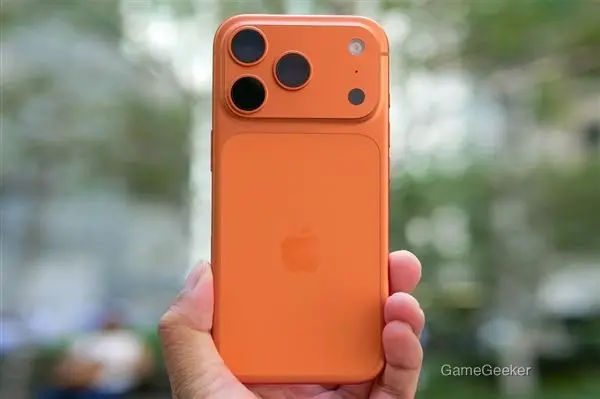
The deeper problem: Apple appears to have lost its balance between extreme thinness and practical durability. Titanium costs more, but it delivers not just physical strength—it reinforces the sense that the price is justified. This fragile aluminum body now gives potential buyers pause before checkout, because no one wants to spend over ten thousand yuan on something that demands kid-glove handling.
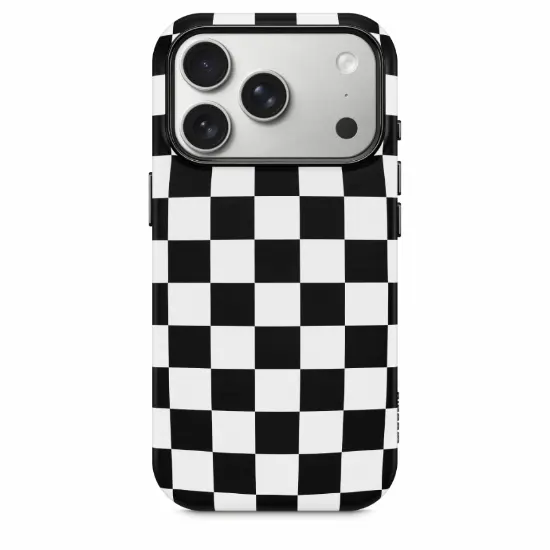
For current owners, thick-edged cases offer some protection at the cost of hand feel. For those still deciding, waiting for user feedback and potential hardware revisions might be the smarter move.
Comentarios 0
Nos interesa tu opinión
¡Bienvenido! Cuéntanos qué te parece este juego: ser el primero puede tener premio.
Todavía no hay comentarios. Sé el primero.