
Noticia
Grab two free PC games before Epic's clock runs out, while Undertale and Divinity: Original Sin 2 are 75% off
Astral Ascent and LUFTRAUSERS are free to keep today, while two of PC gaming's most celebrated RPGs cost less than $14 c
















The indie game scene has long embraced the idea of “building in public,” with dev logs, gameplay clips, and concept art rolled out one after another to attract wishlists and test player feedback early. But this time, Return of the Obra Dinn creator Lucas Pope has laid out the exact opposite approach: he admitted on a podcast that, at this stage, he has no desire to publicly reveal his plans for a new project. For a creator who won Best Art Direction at TGA 2018, that kind of restraint is itself highly telling.
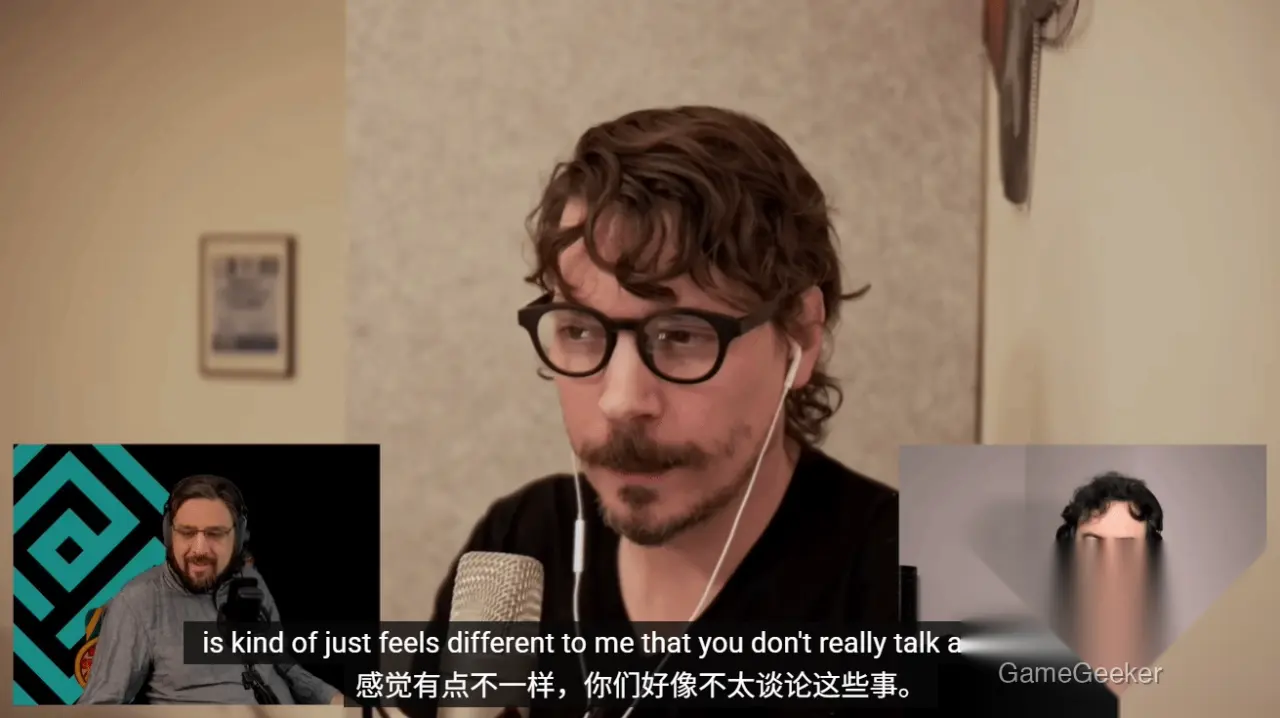
Lucas Pope’s reasoning is straightforward, and part of it comes from changes in today’s creative environment. He is willing to talk about industry and business matters, but feels uncomfortable showing development content in advance, because ideas that have not yet fully taken shape could either be “absorbed” by AI or quickly imitated by peers. What is most interesting here is not whether he is being “overly cautious,” but that even an indie creator at this level has started seriously weighing the costs of creating in public.
From my perspective, this feels more like a platformer-style jumping challenge: you may think “going public” will automatically bring attention, but in reality every step risks landing on a danger tile. This is especially true for works with a strong puzzle sensibility, where gameplay surprises, narrative structure, and mechanical twists are often more valuable than promotional timing. Once the core ideas are exposed too early, that moment of “so it can work like this” when players press the button for the first time may well be diminished.
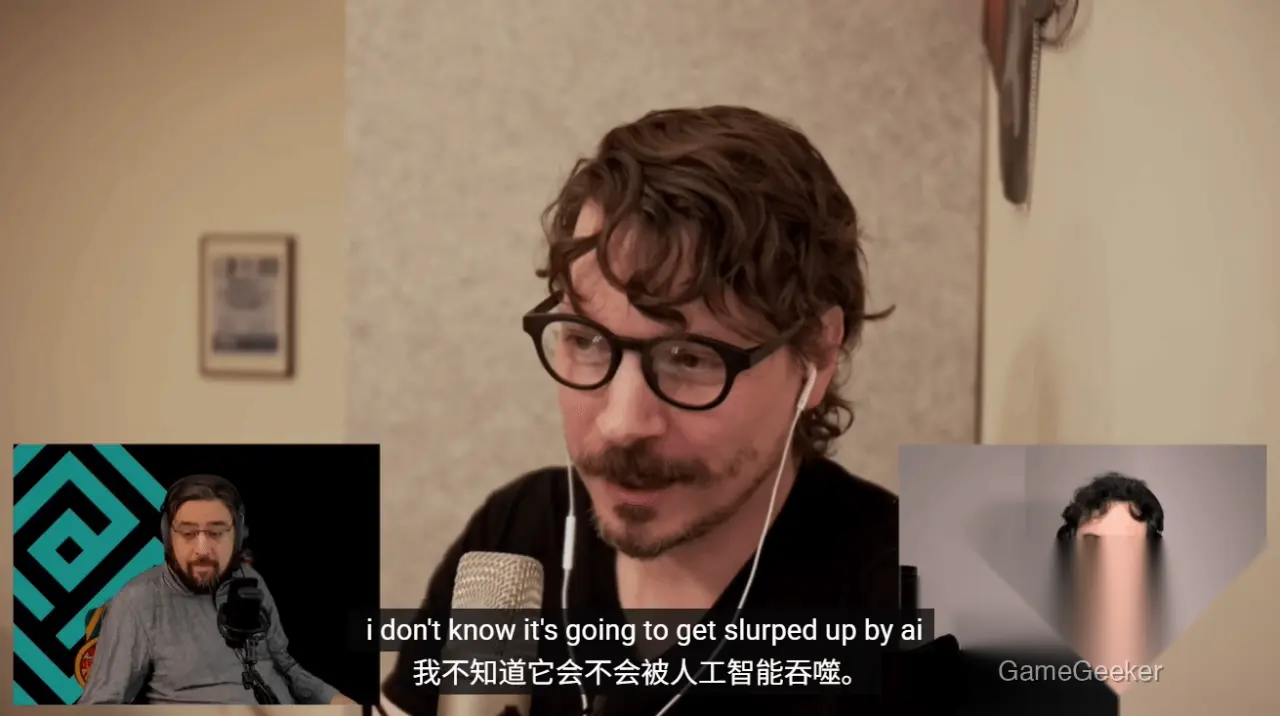
What makes it even more interesting is that Lucas Pope is not only worried about the external environment—he is also wrestling with his own track record. In addition to Return of the Obra Dinn, he has made quite a few browser games, and recently released Mars After Midnight for the Playdate platform. After delivering two consecutive works recognized by the market, he says he feels a bit like he is “running on borrowed luck,” and has even begun wondering whether he should stop while his reputation is at a high point, lest a misstep on a new project drag down that standing instead.
This mindset is actually very real. The hardest puzzle for indie creators has never been just how to make systems more refined, but also how to face the outside expectation that “the next one has to be even better.” Lucas Pope also acknowledges that even if the new project continues to focus on narrative, gameplay, and mechanic design, it could still fail. In other words, it is not that he lacks direction, but that he knows a great work does not become a sure thing simply by being shown early.
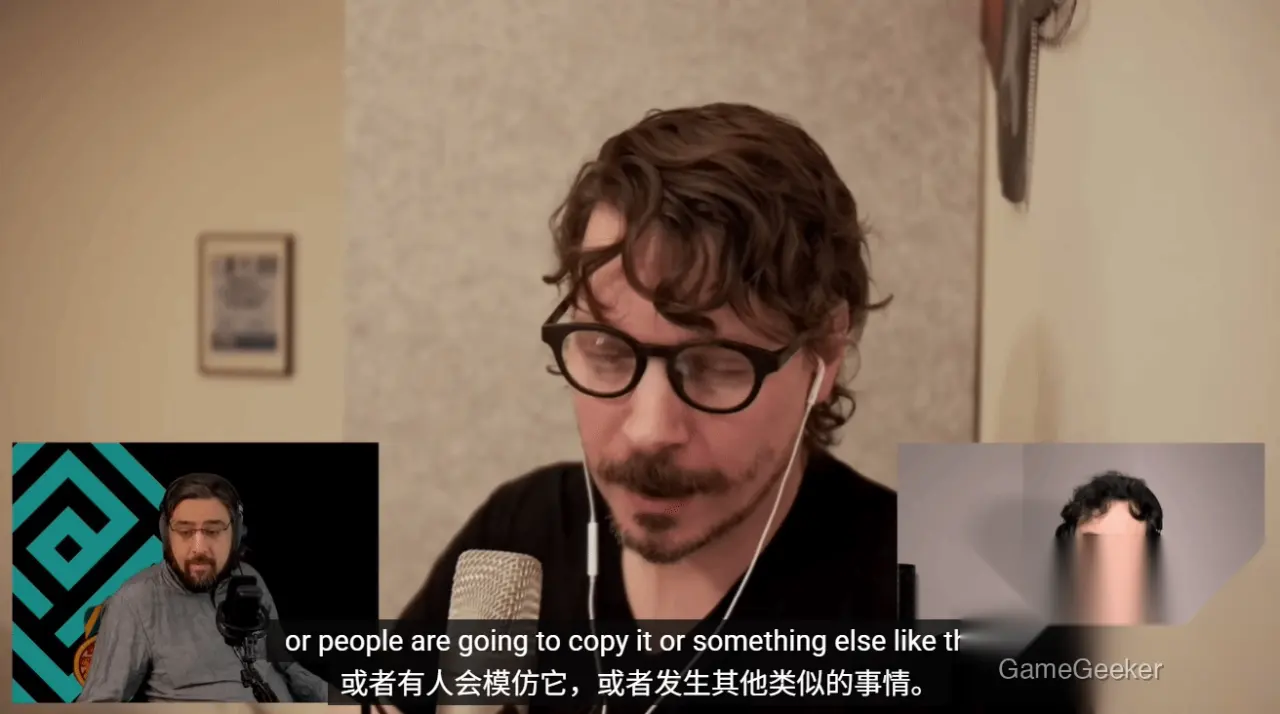
Looking at industry trends, his secrecy strategy may not become the mainstream, but it will certainly be studied seriously by more indie teams. Players now have less and less patience for projects that keep “selling dreams” throughout development, while appearing only when nearly finished is actually more likely to convert anticipation into purchases. For players who enjoy Lucas Pope’s work, the most practical advice right now is not to push for a new tease, but to look first at the design throughline of Return of the Obra Dinn and Mars After Midnight: the former proves he can mesh narrative and deduction with extreme precision, while the latter shows he is still experimenting with new platforms and new forms of expression.
As of now, his new project remains unannounced. If he continues down the path suggested by these latest remarks, players will most likely only see it when development is nearing completion. In a sense, that too is a very Lucas Pope way of doing things: lock the puzzle inside the box first, and then, at the most fitting moment, let everyone open it together.





Comentarios 0
Nos interesa tu opinión
Participa en la conversación y comparte tu opinión sobre este juego.
Aún no hay comentarios. Comparte tu opinión.