Noticia
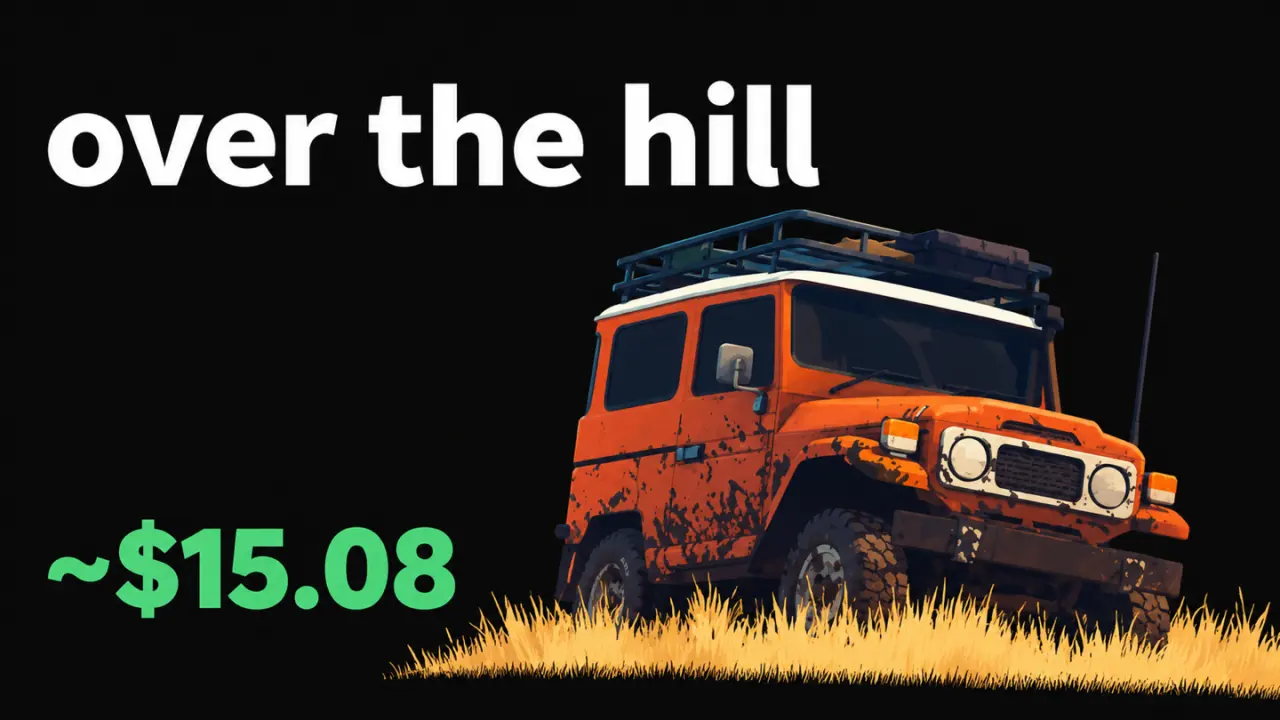
over the hill launches with introductory Steam offer and lower-priced key listings
Funselektor’s off-road exploration game is out on Steam at $19.99 with an introductory offer. Approximate third-party ke
















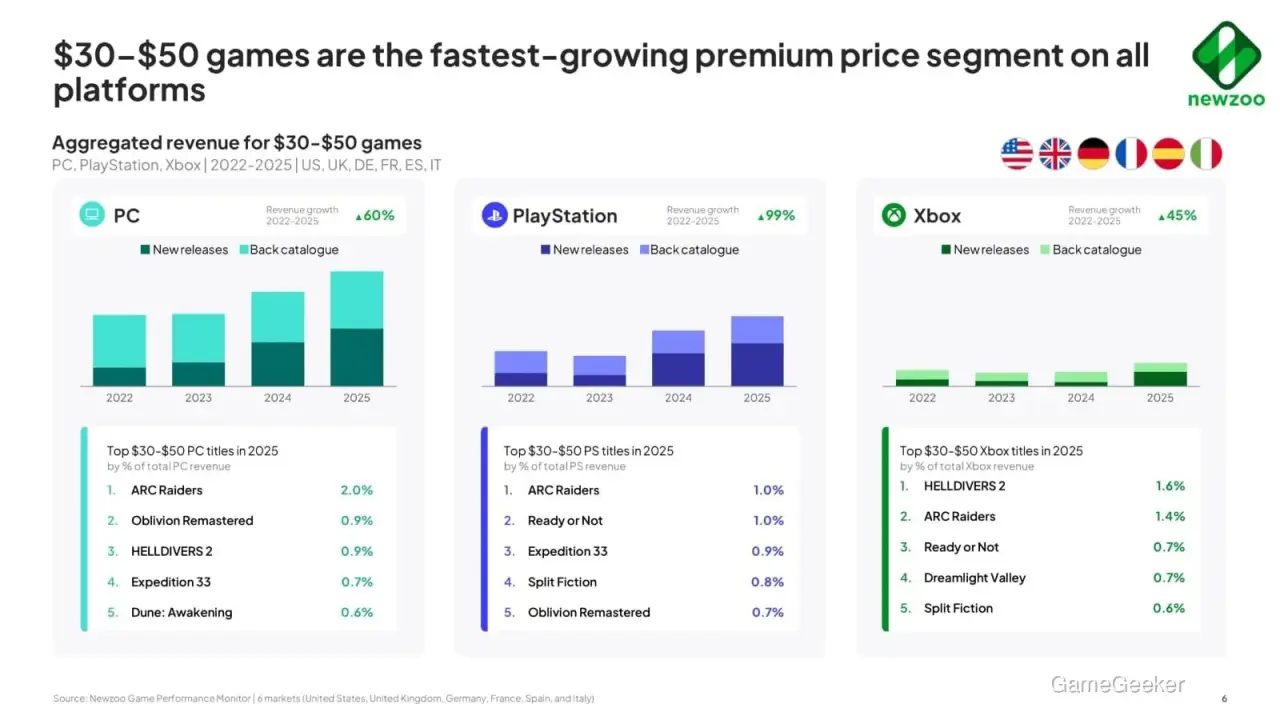
At 120 hours, looking at this industry news from a completionist’s perspective, my first reaction wasn’t surprise, but that someone had finally said out loud what players have been holding back for years. In today’s game market, the $30 to $50 price range is becoming the default safe zone for many people when deciding to buy. According to Newzoo’s 2026 PC and Console Gaming Report, this segment has already contributed a significant share of recent revenue across the three major platforms—PC, PlayStation, and Xbox—and it is also the fastest-growing submarket.
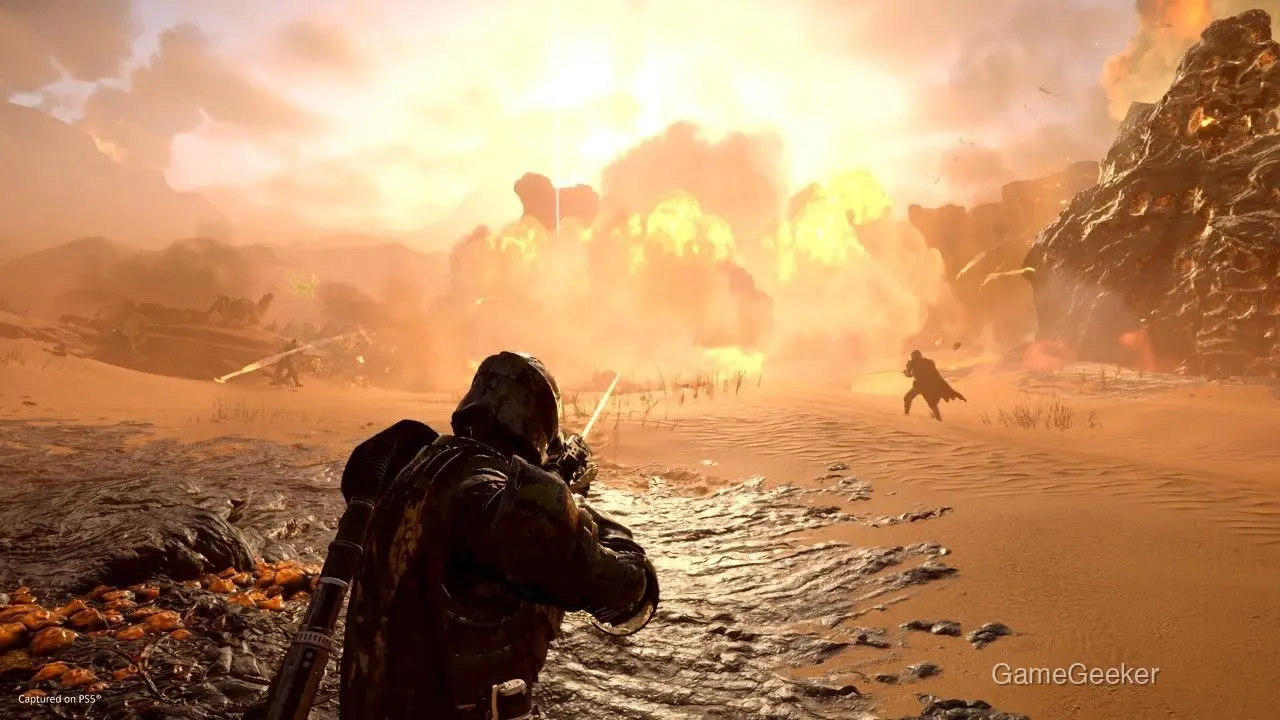
This actually fits current player spending psychology quite well. Ever since AAA titles broadly moved up to $70, the pricing pressure has started to feel like the kind of late-game stat inflation you see in Final Fantasy—stacking higher and higher to absurd levels. More troubling is that some high-priced games have failed to deliver equally solid optimization, enough content, and sufficiently fresh design. The result is that players pay full price, only to get stuttering, formulaic progression, and gameplay loops whose limits are obvious at a glance. And once the trust in “high price = high quality” is broken, people naturally start looking toward more flexible mid-priced games.
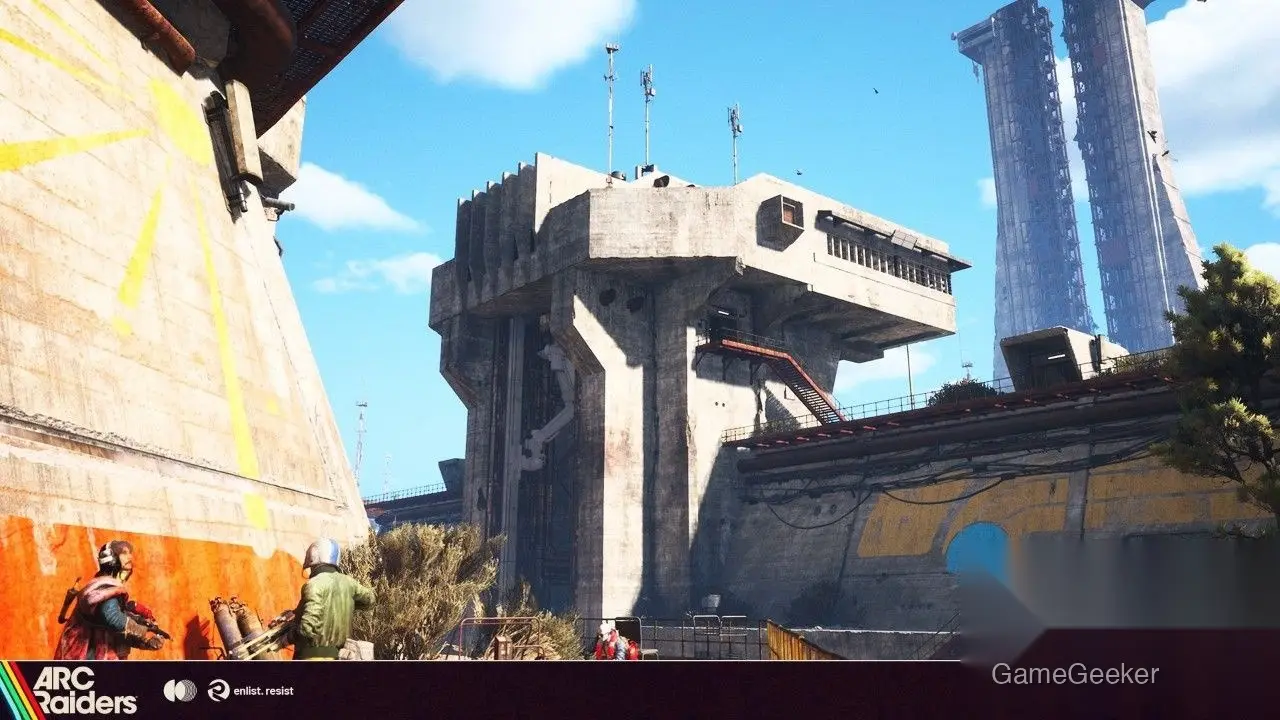
Over the past few years, the popularity of games like Arc Raiders and Helldivers 2 has already put this trend on full display. They may not be traditional super-AAA productions with resources poured into every corner, but they have found a more comfortable balance between gameplay identity, creative expression, and acceptable pricing. Looking at more recent examples, mid- to small-budget projects like Clair Obscur: Expedition 33 and Split Fiction have also repeatedly proven one thing: a great experience does not have to be tied to a heavy premium price tag. Strong systems, distinctive art direction, and well-structured content can absolutely still win players over.
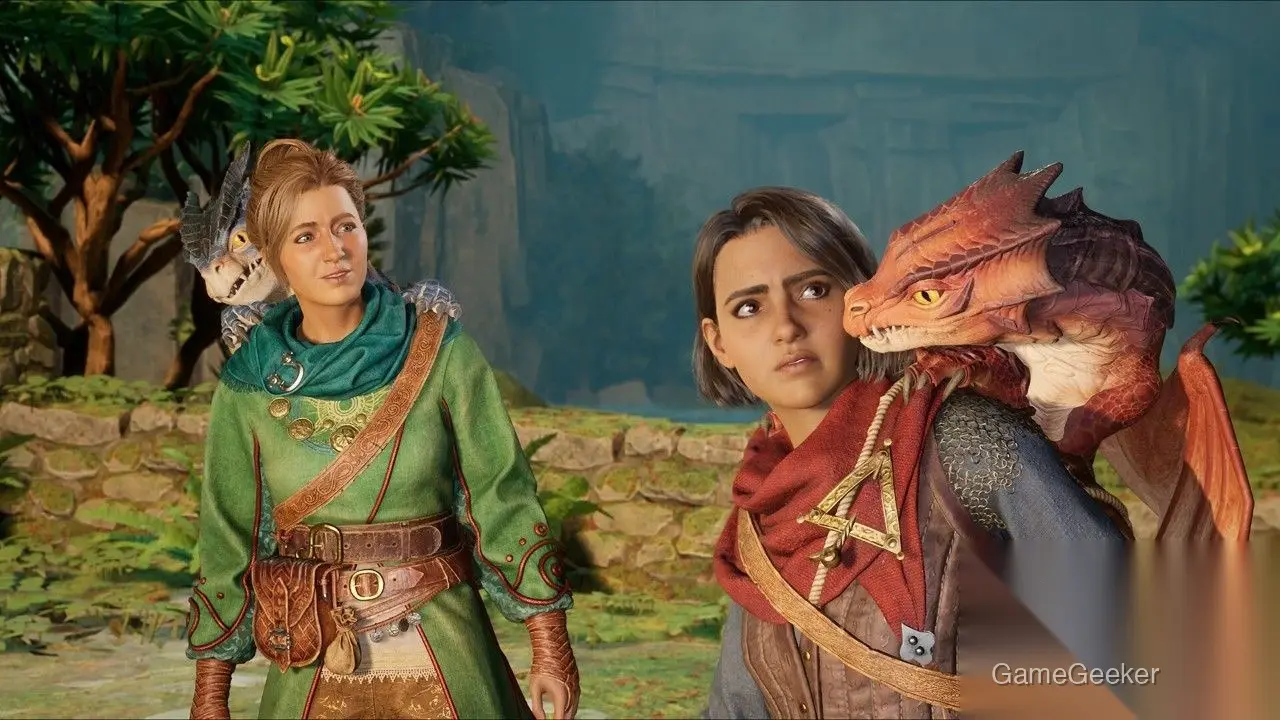
If you look at the voices coming from player communities, this shift is just as straightforward. It’s not that people are completely rejecting $70 AAA games; they’re simply becoming more selective. Only when they see a truly trusted IP, consistently solid word of mouth, and clearly defined strengths are they willing to jump in at launch. By contrast, a creative dark horse priced around $40 is more like a hidden powerhouse in a JRPG—not necessarily the most eye-catching at first, but once you engage with it, it often ends up being more exciting than the main-story boss. The question raised at the end of the article is already very real: between a $70 blockbuster and a $40 dark horse, more and more players will choose the latter first.
In addition, if value for money matters more to you right now, my buying advice is very clear. For day-one purchases, prioritize the $30 to $50 range and focus on whether the gameplay has memorable hooks and whether the launch version is stable before deciding whether to buy. As for $70 AAA games, unless you have a strong emotional attachment to the series, it is usually safer to wait for reviews, patches, and community feedback. For players, this isn’t simply about “buying cheap”; it’s about voting for games that are genuinely creative and more respectful of your wallet.





Comentarios 0
Nos interesa tu opinión
Participa en la conversación y comparte tu opinión sobre este juego.
Aún no hay comentarios. Comparte tu opinión.