 En ofertaResident Evil Requiem
Selecciones popularesVer todo
123456789101112
12 Best Story-Rich Games to Play (2026)
12 Best Turn-Based Tactics Games on Steam (2026)
12 Best Puzzle Games on Steam (2026)
12 Best Games to Play with Friends on PC (2026)
12 Best JRPGs on Steam (2026)
12 Best City Builder Games on Steam (2026)
12 Best Zombie Games on Steam (2026)
12 Best Free Indie Games on Steam (2026)
12 Best Short Indie Games to Try (2026) — Done in One Evening
12 Best Cozy Games on Steam (2026)
12 Best Detective & Mystery Games on Steam (2026)
12 Best Tower Defense Games on Steam (2026)
Juegos similares popularesVer todo
Games Like PowerWash Simulator - 12 Best Relaxing Cleaning and Restoration PicksGames Like ARC Raiders - 12 Best Extraction and Co-op Survival ShootersGames Like PEAK - 12 Best Co-op Climbing and Survival PicksGames Like R.E.P.O. - 12 Best Co-op Horror PicksGames Like Clair Obscur: Expedition 33 - 12 Best Turn-Based RPG PicksGames Like Path of Exile 2 - 12 Best Action RPG and Loot PicksGames Like Road to Vostok - 12 Best Hardcore Survival Shooter PicksGames Like Mina the Hollower - 12 Best Top-Down Action and Zelda-Like PicksGames Like Slay the Spire 2 - 12 Best Roguelike Deckbuilders to Play NextGames Like Resident Evil Requiem - 12 Best Survival Horror PicksGames Like Baldur's Gate 3 - 12 Best CRPGs and Turn-Based RPGsGames Like Monster Hunter Wilds - 12 Best Co-op Hunting and Action RPG PicksGames Like Hollow Knight: Silksong - 12 Best Metroidvania Picks (2026)Games Like Dead by Daylight - 12 Best Asymmetric & Co-op Horror PicksGames Like Final Fantasy VII Rebirth - 12 Best Action RPG & JRPG PicksGames Like Forza Horizon 6 - 12 Best Open-World Racing & Driving Picks (2026)Games Like Solarpunk - 12 Best Cozy Survival and Crafting GamesGames Like 007 First Light - 12 Best Stealth and Spy GamesGames Like Subnautica 2 - 12 Best Underwater and Alien-World Survival GamesGames Like Hell Let Loose - 12 Best Tactical Milsim Shooters
Análisis popularesVer todo

Hades II — Análisis

Clair Obscur: Expedition 33 — Análisis

Katana ZERO — Análisis

The Long Dark — Análisis

Shift At Midnight — Análisis

Middle-earth™: Shadow of Mordor™ — Análisis

The Mermaid Mask — Análisis

Killing Floor 2 — Análisis

The Outlast Trials — Análisis

American Truck Simulator — Análisis

Voidling Bound — Análisis

Go-Go Town! — Análisis

Desktop Explorer — Análisis

Dead as Disco — Análisis

Crushed In Time — Análisis

Beastro — Análisis
Why Are Players in an Uproar Over *Resident Evil 9* and DLSS 5?
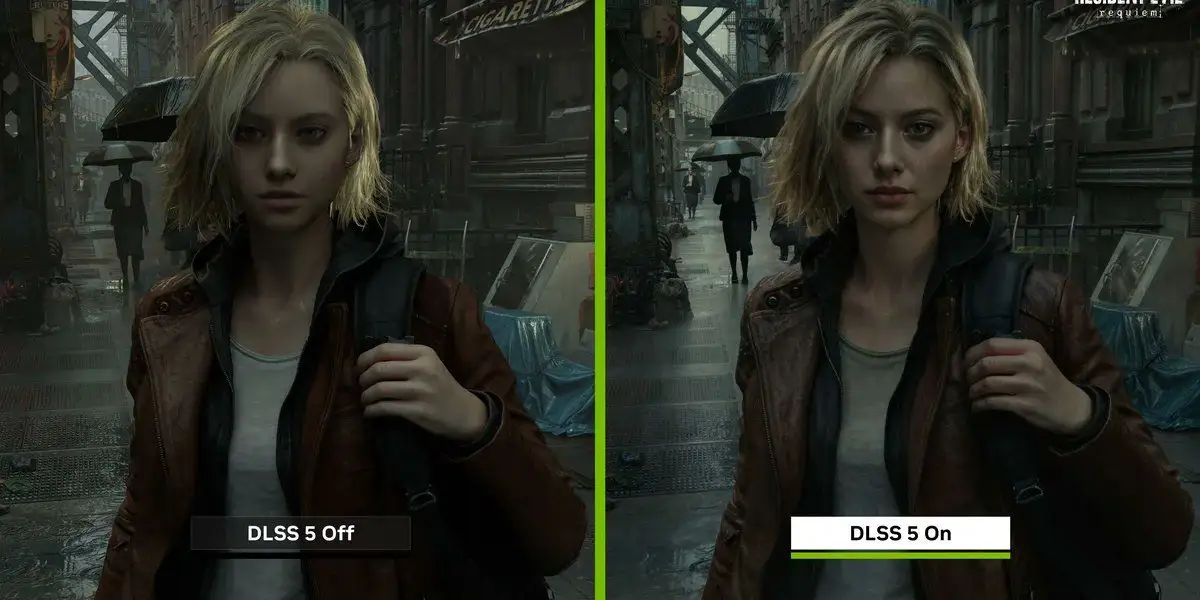
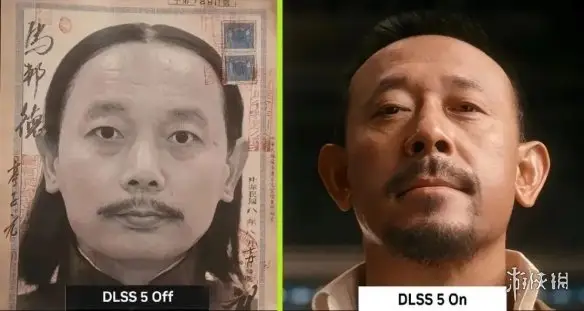
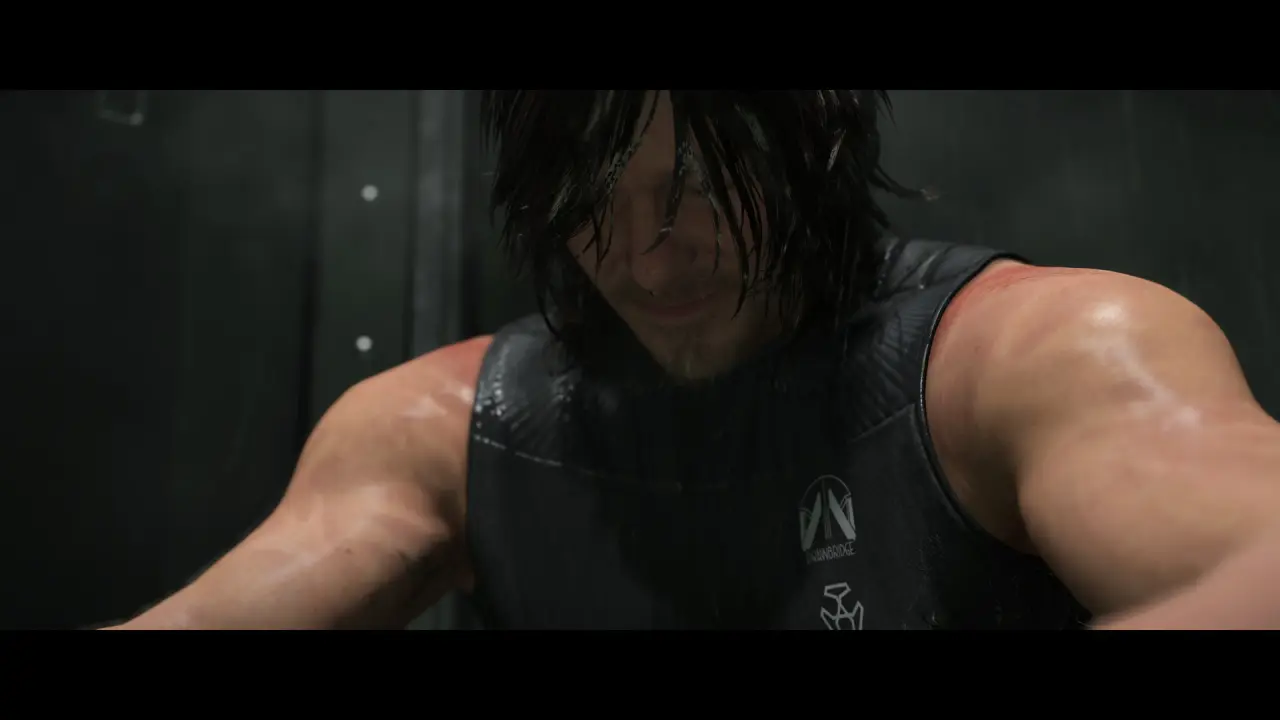
The lines of the cheeks, the contours of the cheekbones, the placement of skin highlights—these were originally parameters that character modeling and art direction were supposed to lock down for good, yet they have now been thrust back into the spotlight because of the DLSS 5 demo. Recently, Nvidia released a technical showcase demonstrating the real-world effects of DLSS 5 across multiple games. The result was far from a unified player response; instead, it resembled a battle over "control of the image."

The core of the controversy is clear: many players believe DLSS 5 is no longer just a traditional resolution upscaling or frame generation tool, but is instead using generative AI to "re-create" the image. The issue is not simply that it looks sharper, but that it alters lighting, materials, and even facial details of characters, giving the overall presentation the feel of a social media filter layered on top. To hardcore players, this is like a tank advertised for its historical authenticity, only to have its turret proportions and armor silhouette heavily modified. The numbers may look more appealing, but the original flavor is gone.
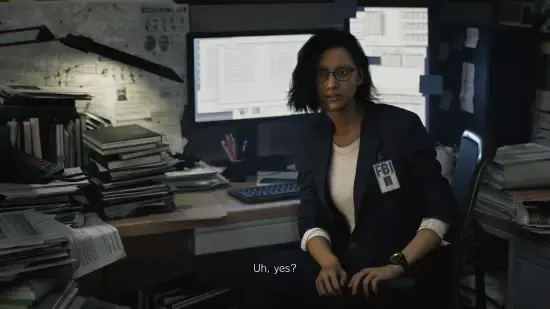
That said, supporters are not absent. Blogger VraserX openly defended DLSS 5, comparing a character from Resident Evil 9 with photos of her real-life facial reference—the Polish-American model Julia Pratt—and arguing that in certain angles, the DLSS 5-processed character does in fact look closer to a real person. In his words, "The people trashing DLSS 5 are completely ridiculous. You've spent 20 years asking for more realistic graphics, and now that it's closer to the real model than the original character version, you're still complaining."

In terms of fidelity, critics are not mainly questioning the facial expressions, but rather the underlying face shape itself. Some put it bluntly: "I'm not talking about the expression, but the face shape itself—for example, the cheeks and cheekbones are obviously different. It looks like the AI gave her a ‘face slimming’ treatment." That remark really hits the crux of the issue: if a technical solution can rewrite a character's bone structure, then what it affects is no longer just image clarity, but the art design, character recognizability, and even the original temperament the developers intended to convey.

On a tactical level, what lies behind this debate is two competing priorities fighting for precedence. One side wants it to "look more like a real person"; the other is defending "don't tamper with the original art style." The latter concern is not conservative—on the contrary, it is highly professional. Game visuals do not necessarily have to push toward photo realism; stylized art combined with realistic physical feedback can also establish credibility. What many players truly dislike is not AI participating in rendering, but AI crossing the boundary of assistance and directly making artistic decisions in place of the art team.
Looking at player choice, the conclusion is actually not that complicated. If DLSS 5 can ultimately provide sufficiently clear toggles and intensity options, allowing players to decide for themselves whether to accept this kind of "AI flavor," then the controversy would die down considerably. But if the default effect is obvious face alteration and material changes, then the community backlash will only continue to grow. Technological upgrades are of course a good thing, but only so long as the original style of the work is not treated as expendable. For a title like Resident Evil 9, which relies on character recognizability and atmospheric control to stand out, image clarity can improve, but its distinctive feel cannot be lost. That is the direction where true attention to detail really matters.
En ofertaResident Evil Requiem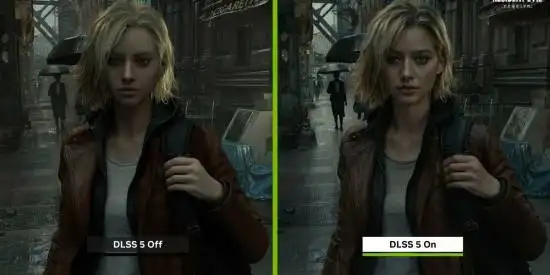
Comentarios 0
Nos interesa tu opinión
¡Bienvenido! Cuéntanos qué te parece este juego: ser el primero puede tener premio.
Todavía no hay comentarios. Sé el primero.