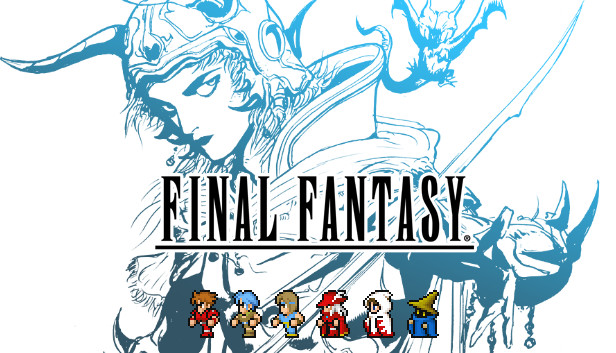
 En ofertaFINAL FANTASYFetching price~ $11.99-40%
Selecciones popularesVer todo
123456789101112
12 Best Mystery Games on PC (2026)
12 Best Space Sim Games on Steam (2026)
12 Best Story-Rich Games to Play (2026)
12 Best Turn-Based Tactics Games on Steam (2026)
12 Best Puzzle Games on Steam (2026)
12 Best Games to Play with Friends on PC (2026)
12 Best JRPGs on Steam (2026)
12 Best City Builder Games on Steam (2026)
12 Best Zombie Games on Steam (2026)
12 Best Free Indie Games on Steam (2026)
12 Best Short Indie Games to Try (2026) — Done in One Evening
12 Best Cozy Games on Steam (2026)
Juegos similares popularesVer todo
Games Like PowerWash Simulator - 12 Best Relaxing Cleaning and Restoration PicksGames Like ARC Raiders - 12 Best Extraction and Co-op Survival ShootersGames Like PEAK - 12 Best Co-op Climbing and Survival PicksGames Like R.E.P.O. - 12 Best Co-op Horror PicksGames Like Clair Obscur: Expedition 33 - 12 Best Turn-Based RPG PicksGames Like Path of Exile 2 - 12 Best Action RPG and Loot PicksGames Like Road to Vostok - 12 Best Hardcore Survival Shooter PicksGames Like Mina the Hollower - 12 Best Top-Down Action and Zelda-Like PicksGames Like Slay the Spire 2 - 12 Best Roguelike Deckbuilders to Play NextGames Like Resident Evil Requiem - 12 Best Survival Horror PicksGames Like Baldur's Gate 3 - 12 Best CRPGs and Turn-Based RPGsGames Like Monster Hunter Wilds - 12 Best Co-op Hunting and Action RPG PicksGames Like Hollow Knight: Silksong - 12 Best Metroidvania Picks (2026)Games Like Dead by Daylight - 12 Best Asymmetric & Co-op Horror PicksGames Like Final Fantasy VII Rebirth - 12 Best Action RPG & JRPG PicksGames Like Forza Horizon 6 - 12 Best Open-World Racing & Driving Picks (2026)Games Like Solarpunk - 12 Best Cozy Survival and Crafting GamesGames Like 007 First Light - 12 Best Stealth and Spy GamesGames Like Subnautica 2 - 12 Best Underwater and Alien-World Survival GamesGames Like Hell Let Loose - 12 Best Tactical Milsim Shooters
Análisis popularesVer todo

Hades II — Análisis
Clair Obscur: Expedition 33 — Análisis

Katana ZERO — Análisis

The Long Dark — Análisis

Shift At Midnight — Análisis
Middle-earth™: Shadow of Mordor™ — Análisis

The Mermaid Mask — Análisis

Killing Floor 2 — Análisis
The Outlast Trials — Análisis

American Truck Simulator — Análisis

Voidling Bound — Análisis

Go-Go Town! — Análisis

Desktop Explorer — Análisis

Dead as Disco — Análisis

Crushed In Time — Análisis
Beastro — Análisis
Persona 6 Appears at Xbox Showcase, Sparking Debate Over Xbox’s Growing JRPG Turf
Niche Gamer says the past week brought a meaningful shift in the global games business: Kingdom Hearts 4 showed up at a Nintendo Direct, Persona 6 appeared during a Microsoft Xbox Games Showcase, and the final chapter of the Final Fantasy 7 Remake trilogy debuted first at Summer Game Fest rather than on a PlayStation stage. Taken together, the outlet argues, those moves suggest PlayStation's long-held role as the central showcase platform for Japanese games is starting to weaken.
No single announcement proves the point on its own. Together, though, they point to a broader change. Seeing Kingdom Hearts 4, Persona 6, and the final chapter of the Final Fantasy 7 Remake trilogy appear on Nintendo, Xbox, and neutral stages starts to erode an old assumption: if you wanted the biggest Japanese games, you looked to Sony first.

According to Niche Gamer, this is the first time in decades that PlayStation's image as the "undisputed home of Japanese games" has shown visible cracks. During the PS1 and PS2 years, series such as Final Fantasy, Kingdom Hearts, Metal Gear, Persona, and Dragon Quest were deeply tied to the PlayStation brand. Even when some of those games were not fully exclusive, Sony's marketing and promotional reach were strong enough to cement a lasting perception: for Japanese games, Sony was the default choice.
The article argues that this identity was one important reason the PS2 became the best-selling console in history, with that brand association carrying forward into the PS3 and PS4 eras as well. But the underlying business logic has changed. As next-generation development costs have surged, publishers are under increasing pressure to reach players across every viable platform, making the traditional single-console exclusive model increasingly difficult to sustain.
That industry shift matters more than any one announcement. Square Enix has publicly acknowledged that several PlayStation-exclusive projects fell short of sales expectations, and has since positioned a full embrace of multiplatform releases as the way forward. Persona launching into Game Pass on day one, while Nintendo pushes more aggressively for major third-party Japanese releases, only reinforces the sense that the old platform hierarchy is breaking down.

Niche Gamer also criticizes Sony's recent platform strategy, arguing that the company has drifted away from the traits that once defined it. In its view, too much of Sony's attention and marketing has gone toward cinematic narrative games, AAA productions from Western studios, and Sony's heavily funded live-service push. That strategy has produced more canceled projects than lasting successes, with Concord cited as a high-profile failure case.
The outlet further argues that Sony's more aggressive content moderation policies, combined with a preference for Western studios, have left many long-time core players feeling sidelined. At the same time, Nintendo has rebuilt stronger ties with Japanese third-party publishers, while Xbox, using Game Pass and marketing partnerships, has become a platform Japanese developers can no longer afford to ignore. That erodes Sony's old status as the unquestioned first-priority platform.
None of that means PlayStation is in any kind of survival crisis. PS5 sales remain strong, Sony still has Wolverine, and GTA6 is widely expected to give hardware sales another major boost. Niche Gamer's core point is narrower, and sharper: thanks to its huge install base, PlayStation may still claim the largest sales share for these major Japanese releases, but it is losing something harder to quantify, and possibly more important: brand identity.

For players, that change is not necessarily a bad thing. A multiplatform future means more ways into Japanese games, with fewer delays and fewer missed releases for Xbox, Nintendo, and PlayStation users alike. But if you care about industry identity as much as raw sales numbers, this is a shift worth watching closely. The bigger risk is less dramatic: a platform can lose the identity that once defined it well before the sales charts reflect the shift.
En ofertaFINAL FANTASYFetching price~ $11.99-40% Grand Theft Auto V EnhancedFetching price~ $29.99
 DRAGON QUEST® XI S: Echoes of an Elusive Age™ - Definitive EditionFetching price~ $39.99



Comentarios 0
Nos interesa tu opinión
Participa en la conversación y comparte tu opinión sobre este juego.
Aún no hay comentarios. Comparte tu opinión.