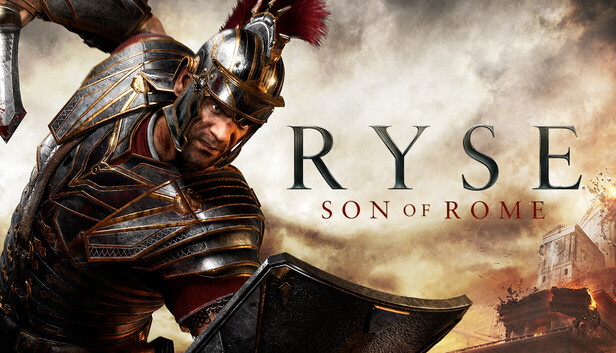
 Ryse: Son of Rome
Selecciones popularesVer todo
123456789101112
10 Best Train Routing Puzzle Games
10 Best Nonogram Puzzle Games
10 Best Typing Combat Games for Keyboard-Focused Action
10 Best Dice Roguelikes for Tactical Combat
10 Best Time Manipulation Puzzle Games
10 Best Evidence-Reconstruction Detective Games
10 Best Single-Player Climbing Games
10 Best First-Person Spatial Puzzle Games
10 Best Steam Scream V Horror Games for a Halloween 2026 Wishlist
10 Best Short-Level Precision Platformers for Focused Movement Practice
10 Best Single-Player Underwater Adventure Games
10 Best Fantasy Shopkeeping Games for Crafting and Trading
Juegos similares popularesVer todo
Games Like PowerWash Simulator - 12 Best Relaxing Cleaning and Restoration PicksGames Like ARC Raiders - 12 Best Extraction and Co-op Survival ShootersGames Like PEAK - 12 Best Co-op Climbing and Survival PicksGames Like R.E.P.O. - 12 Best Co-op Horror PicksGames Like Clair Obscur: Expedition 33 - 12 Best Turn-Based RPG PicksGames Like Path of Exile 2 - 12 Best Action RPG and Loot PicksGames Like Road to Vostok - 12 Best Hardcore Survival Shooter PicksGames Like Mina the Hollower - 12 Best Top-Down Action and Zelda-Like PicksGames Like Slay the Spire 2 - 12 Best Roguelike Deckbuilders to Play NextGames Like Resident Evil Requiem - 12 Best Survival Horror PicksGames Like Baldur's Gate 3 - 12 Best CRPGs and Turn-Based RPGsGames Like Monster Hunter Wilds - 12 Best Co-op Hunting and Action RPG PicksGames Like Hollow Knight: Silksong - 12 Best Metroidvania Picks (2026)Games Like Dead by Daylight - 12 Best Asymmetric & Co-op Horror PicksGames Like Final Fantasy VII Rebirth - 12 Best Action RPG & JRPG PicksGames Like Forza Horizon 6 - 12 Best Open-World Racing & Driving Picks (2026)Games Like Solarpunk - 12 Best Cozy Survival and Crafting GamesGames Like 007 First Light - 12 Best Stealth and Spy GamesGames Like Subnautica 2 - 12 Best Underwater and Alien-World Survival GamesGames Like Hell Let Loose - 12 Best Tactical Milsim Shooters
Análisis popularesVer todo

Hades II — Análisis

Clair Obscur: Expedition 33 — Análisis

Katana ZERO — Análisis

The Long Dark — Análisis

Shift At Midnight — Análisis

Middle-earth™: Shadow of Mordor™ — Análisis

The Mermaid Mask — Análisis

Killing Floor 2 — Análisis

The Outlast Trials — Análisis

American Truck Simulator — Análisis

Voidling Bound — Análisis

Go-Go Town! — Análisis

Desktop Explorer — Análisis

Dead as Disco — Análisis

Crushed In Time — Análisis

Beastro — Análisis
Why Ryse Son of Rome 2 Never Happened as New Details Emerge
Ryse: Son of Rome was supposed to be more than a one-off Xbox One launch title. Former Crytek developers have now outlined why the sequel never moved forward: a deadlock between Microsoft and Crytek over IP ownership and funding, even though the team had already mapped out a much broader historical franchise. According to former art director Patrick Hanenberger, Microsoft executives even praised the pitch as "the most coherent and well-thought-out IP proposal they had ever seen."

The reason is fairly simple. The first Ryse: Son of Rome drew attention during the launch window largely on the strength of its visuals, but its reviews and sales fell short of what would justify a sequel. Publishers do not fund sequels out of regret. They fund them on results.
The more decisive issue was ownership. Microsoft was unwilling to keep investing heavily in an IP it did not own, while Crytek, as a private company, refused to sell the rights. Once that standoff took shape, the strength of the proposal was no longer enough. Creative ambition helped the pitch, but ownership was the deciding factor.

The sequel plans now coming into view were ambitious. The team had no intention of staying in ancient Rome; the plan was to expand the series into the Viking age, feudal Japan, and the Ottoman Empire. The feudal Japan concept reportedly went as far as the Mongol invasions and the Sengoku period. On the gameplay side, the sequel was planned to go well beyond the first game, with more open level design, dynamic combat systems, vehicle driving, and PVP multiplayer.
That direction made sense. It sounded more like a long-term action series than the original ever did. But that was also the problem. A sequel with that kind of scope was always going to cost more, not less. Since the first game never proved the brand could generate dependable profits, Microsoft had little reason to keep backing it simply because the pitch looked strong. Hanenberger's recollection that executives called it "the most coherent and well-thought-out IP proposal they had ever seen" sounds more like executive praise than any real sign the sequel would be approved.
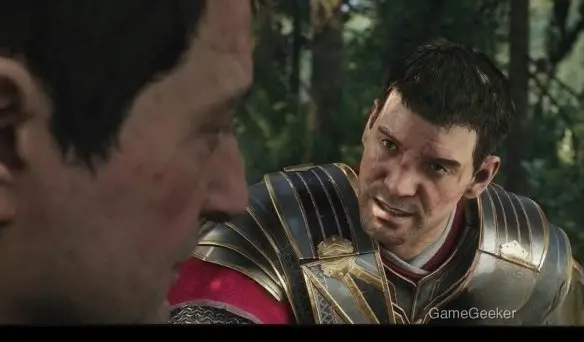
It is not hard to see why players now remember the series as a relic of that era. What makes cases like this frustrating is that they did not look hopeless from the start; they looked like they could become something much bigger. Still, the market does not reward nostalgia, especially for platform launch titles. If a game does not meaningfully drive new users or hardware sales, the case for a sequel gets much harder.

From today's perspective, the story feels familiar. Platform holders care more and more about IP ownership, while outside studios are increasingly unwilling to give up core assets. The projects most likely to get trapped in that squeeze are new mid-sized or large-scale series with clear appeal, but debut entries that were not successful enough to force a deal. For players coming back to Ryse: Son of Rome now, it still stands as a showcase for the technical and visual priorities of its time. As for a reboot, there is no factual basis for that expectation at this stage.
Ryse: Son of Rome





Comentarios 3
Nos interesa tu opinión
Participa en la conversación y comparte tu opinión sobre este juego.
Honestly the bigger loss is the combat pitch: open levels, dynamic fights, and even PvP sound like they were trying to fix the launch-game stiffness before lawyers froze the whole thing.
It’s wild that funding and IP ownership killed it when they already had Viking, Japanese, and Ottoman settings planned; turning Ryse into a broader historical series could have given it real identity.
True, but a historical series only matters if the business side is stable; hearing Microsoft and Crytek deadlocked on both IP ownership and funding makes the cancellation feel inevitable.
Se han mostrado todos los comentarios