Noticia
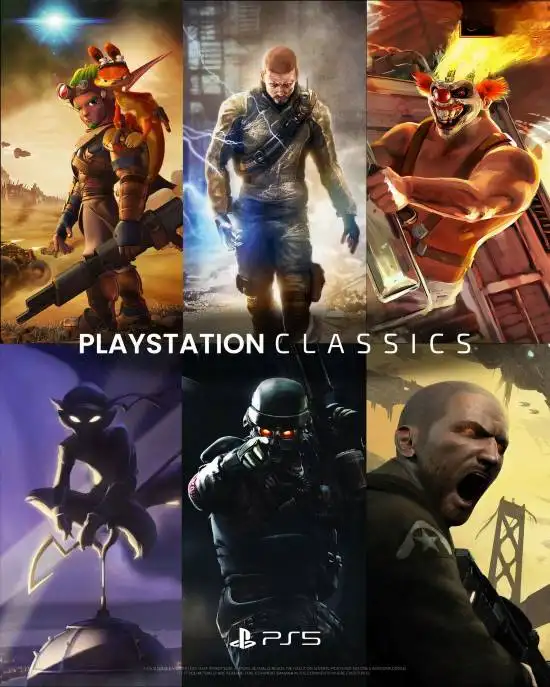
Is Killzone Coming Back? Sony’s Move Looks Like a Smart One
Sony may let external studios bid to develop classic first-party IP, a move that could widen its pip
















Blogger @martintallolaga has sparked fresh debate with a cross-company comparison of original IP output since 2013, and Sony’s 27 new IPs are the headline figure. That total is well ahead of Nintendo’s 18 and Microsoft’s 12, while Valve has released just 3 over the same period, with its focus leaning more toward the Steam platform. Just as important, the count excludes rebooted or licensed projects such as Marvel’s Spider-Man and God of War 4, which makes the comparison more convincing than the raw number alone.

What makes Sony’s result noteworthy is not simply volume, but how complete its spread of new IPs looks. Mainstream-facing games such as Horizon Zero Dawn, Ghost of Tsushima, and Bloodborne helped establish clear brand pillars, while VR and more experimental projects like Farpoint and Dreams worked as tests of new boundaries. Those bets were not guaranteed to succeed, but they gave the platform a way to assess the value of emerging spaces. From a platform strategy perspective, that mix matters because Sony was not committing everything to one approach; it was placing bets across different levels of risk.
Nintendo’s 18 new IPs suggest a more controlled approach. Splatoon and Ring Fit Adventure are both distinctive and clearly experimental in gameplay terms, but the overall profile leans more toward mid-sized trials that prioritize turning ideas into accessible products for family users. Microsoft’s 12 new IPs include Sea of Thieves and Hi-Fi RUSH, both of which have established some presence, yet in terms of scale and continuity, the company still has not fully built out a broader new-IP pipeline.
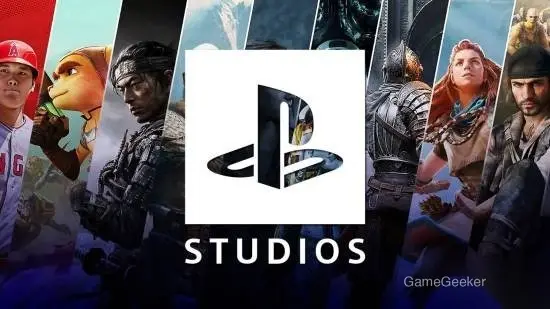
At the strategy level, the more important question is whether a platform holder can keep opening up new lanes. Established IP is naturally safer, but relying only on familiar names and repeated iteration will eventually flatten a platform’s ecosystem into something dependable yet monotonous. Sony reaching this kind of original-IP volume over the years shows that it is at least willing to absorb the cost of trial and error. For players, that is a positive, because new worlds, new mechanics, and new narrative structures often grow out of exactly these projects.
The caveat is straightforward: leading in quantity does not mean every move works. A larger number of new IPs only proves that Sony is willing to place bets; it does not automatically mean every project became a lasting asset. Dreams, for example, has clear experimental value, but in discussion and commercial extension it does not necessarily stand alongside Sony’s biggest hits. Without sustained follow-through, even a wide slate of projects can end up wasted.
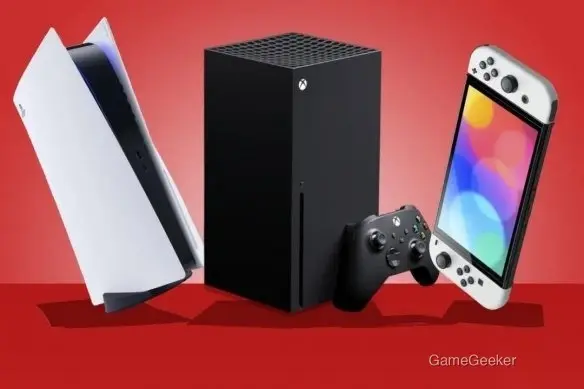
If you tend to look at games through a strategy lens, the takeaway is simple: when judging a platform, do not focus only on the blockbuster catalog it already has. Also ask whether it is still creating the next generation of names. The most promising platform is not one that only lives off its legacy, but one with a system capable of continuing to produce brands like Horizon Zero Dawn and Ghost of Tsushima. On the strength of this data, Sony has at least kept the initiative firmly in its own hands when it comes to original IP.
For context, Valve’s 3 new IPs in the same span were Artifact, Dota Underlords, and Deadlock.


Comentarios 0
Nos interesa tu opinión
¡Bienvenido! Cuéntanos qué te parece este juego: ser el primero puede tener premio.
Todavía no hay comentarios. Sé el primero.