
Noticia
Grab two free PC games before Epic's clock runs out, while Undertale and Divinity: Original Sin 2 are 75% off
Astral Ascent and LUFTRAUSERS are free to keep today, while two of PC gaming's most celebrated RPGs cost less than $14 c
















When browsing the store late at night, the thing most likely to send a chill down your spine isn’t necessarily the monster face on a horror game’s cover. More often, it’s flipping through more than a dozen pages only to find the screen filled with titles with unfamiliar names, crude visuals, and trophies shining with an almost blinding glare. They’re like patches of mold spreading in the corners of a store shelf—not something that jumps at you all at once, but something that slowly eats away at a player’s patience.
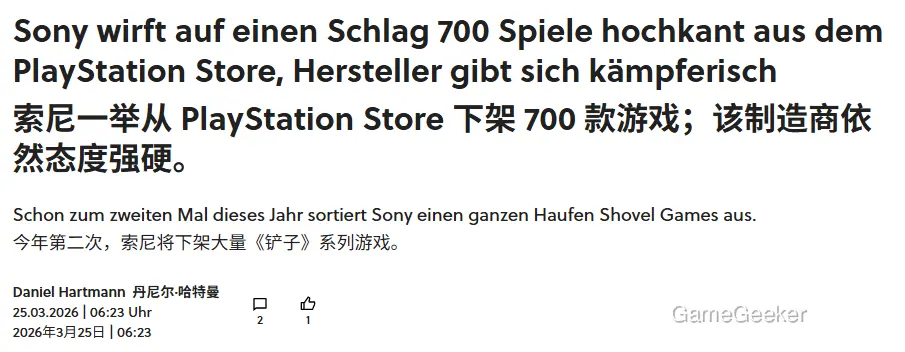
Recently, Sony was reported to have removed around 700 games from the PlayStation Store in one sweep. Most of what got cleared out were what players call “shovelware” games—low-cost, short-cycle, low-quality titles, many of them mass-produced with the help of AI-generated content. According to reports, most of the removed titles came from Nostra Games, with a smaller number from CGI Lab. Earlier this year, in January, Sony had already taken down more than 1000 similar products from the German publisher ThiGames.
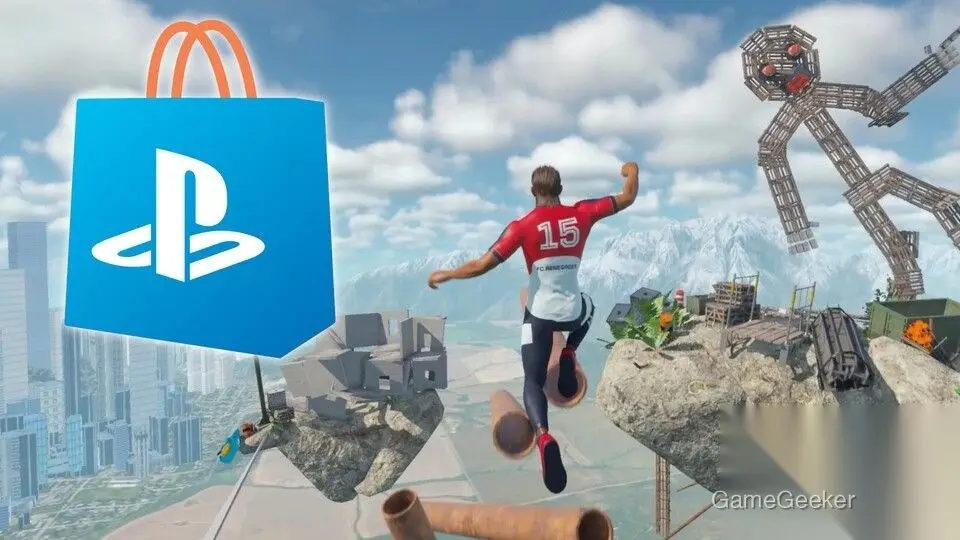
Once you step back and think about it, you realize this doesn’t look like a temporary whim anymore. It looks more like the platform is carrying out a systematic cleanup. Sony has not yet provided an official explanation, but after two consecutive large-scale purges, the signal is already clear: a digital storefront is not a bottomless abyss. If too much trash content piles up, truly creative indie games will end up buried.
Nostra Games was also very straightforward in its response. In Discord, they said that their titles had suddenly been removed from the PS Store, but they had not received a specific reason and did not understand the situation themselves. At the same time, they also mentioned that they still plan to continue releasing games on the Nintendo eShop, Xbox Store, and Steam in the future. The response sounds calm, but it carries a bit of that echo-in-a-dark-corridor feeling—you know something happened, but no one tells you why the lights suddenly went out.
But what really unsettles me isn’t this. It’s why these kinds of games always seem to do pretty well. The answer is actually simple: trophies. Many shovelware games make platinum trophies absurdly easy to obtain, and some players buy them specifically to “farm platinum fast.” As a result, a system that was supposed to reward effort and design has instead become a protective charm for low-quality content. To put it bluntly, this isn’t really playing games—it’s more like clocking in on an assembly line.
From a player’s perspective, I support the cleanup. Not because these works are “guilty for being cheap,” but because they are far too good at creating informational noise. Truly good small-scale indie games may not have the polish or appearance of big-budget productions, but they at least have ideas, design, and something to say; the problem with shovelware, precisely, is that apart from trophies and release speed, it has almost nothing else. The feeling is like a horror movie overusing jump scares: at first, they might startle you, but once it happens too many times, all that’s left is a cold smirk.
Looking at the trend, this round of removals is probably not the end. One batch was cleared in January, and now another batch has been cleared, which suggests the platform is reorganizing the store ecosystem. For ordinary players, this is actually a good thing: in the future, when searching for games on the PS Store, they may no longer have their view blocked by huge numbers of low-quality titles. And for trophy hunters, it may be time to gradually accept one thing—the value of a platinum trophy should not be built on “beating an AI-assembled product in 5 minutes.”
If you usually browse the store for smaller-scale games, my advice is simple: don’t just look at the price and the trophy list. Pay more attention to the publisher’s reputation, player reviews, and the screenshots. Truly outstanding indie games may not frighten you in the very first second, but the shadow they leave behind often lingers much longer.





Comentarios 0
Nos interesa tu opinión
Participa en la conversación y comparte tu opinión sobre este juego.
Aún no hay comentarios. Comparte tu opinión.