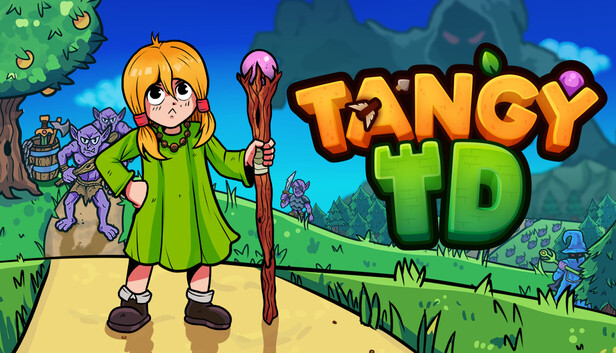
 En ofertaTangy TD
Selecciones popularesVer todo
123456789101112
12 Best Mystery Games on PC (2026)
12 Best Space Sim Games on Steam (2026)
12 Best Story-Rich Games to Play (2026)
12 Best Turn-Based Tactics Games on Steam (2026)
12 Best Puzzle Games on Steam (2026)
12 Best Games to Play with Friends on PC (2026)
12 Best JRPGs on Steam (2026)
12 Best City Builder Games on Steam (2026)
12 Best Zombie Games on Steam (2026)
12 Best Free Indie Games on Steam (2026)
12 Best Short Indie Games to Try (2026) — Done in One Evening
12 Best Cozy Games on Steam (2026)
Juegos similares popularesVer todo
Games Like PowerWash Simulator - 12 Best Relaxing Cleaning and Restoration PicksGames Like ARC Raiders - 12 Best Extraction and Co-op Survival ShootersGames Like PEAK - 12 Best Co-op Climbing and Survival PicksGames Like R.E.P.O. - 12 Best Co-op Horror PicksGames Like Clair Obscur: Expedition 33 - 12 Best Turn-Based RPG PicksGames Like Path of Exile 2 - 12 Best Action RPG and Loot PicksGames Like Road to Vostok - 12 Best Hardcore Survival Shooter PicksGames Like Mina the Hollower - 12 Best Top-Down Action and Zelda-Like PicksGames Like Slay the Spire 2 - 12 Best Roguelike Deckbuilders to Play NextGames Like Resident Evil Requiem - 12 Best Survival Horror PicksGames Like Baldur's Gate 3 - 12 Best CRPGs and Turn-Based RPGsGames Like Monster Hunter Wilds - 12 Best Co-op Hunting and Action RPG PicksGames Like Hollow Knight: Silksong - 12 Best Metroidvania Picks (2026)Games Like Dead by Daylight - 12 Best Asymmetric & Co-op Horror PicksGames Like Final Fantasy VII Rebirth - 12 Best Action RPG & JRPG PicksGames Like Forza Horizon 6 - 12 Best Open-World Racing & Driving Picks (2026)Games Like Solarpunk - 12 Best Cozy Survival and Crafting GamesGames Like 007 First Light - 12 Best Stealth and Spy GamesGames Like Subnautica 2 - 12 Best Underwater and Alien-World Survival GamesGames Like Hell Let Loose - 12 Best Tactical Milsim Shooters
Análisis popularesVer todo

Hades II — Análisis

Clair Obscur: Expedition 33 — Análisis

Katana ZERO — Análisis

The Long Dark — Análisis

Shift At Midnight — Análisis

Middle-earth™: Shadow of Mordor™ — Análisis

The Mermaid Mask — Análisis

Killing Floor 2 — Análisis

The Outlast Trials — Análisis

American Truck Simulator — Análisis

Voidling Bound — Análisis

Go-Go Town! — Análisis

Desktop Explorer — Análisis

Dead as Disco — Análisis

Crushed In Time — Análisis

Beastro — Análisis
*Tangy TD* Earned $250,000 in Its First Week After 1,400 Days of Solo Development
Sometimes when I browse Steam, it feels like casually zooming in on an unfamiliar area on a map. I only meant to glance at a passing point of interest, but somehow ended up stepping onto an unmarked trail. That’s the feeling Tangy TD gave me: it’s not one of those heavily marketed blockbuster titles, but if you keep digging through the information, you’ll discover that behind this game stands a single person—and more than 1400 days spent almost entirely immersed in development.
On March 9, the indie tower defense game Tangy TD officially launched on Steam. What stands out most is not just that it released, but that it was completed entirely by solo developer Cakez77, who built it starting from teaching himself C++. For players who enjoy sandbox elements and deep systems, projects like this have a natural appeal—you can clearly feel that this isn’t some assembly-line map, but something someone painstakingly carved out bit by bit with a shovel.
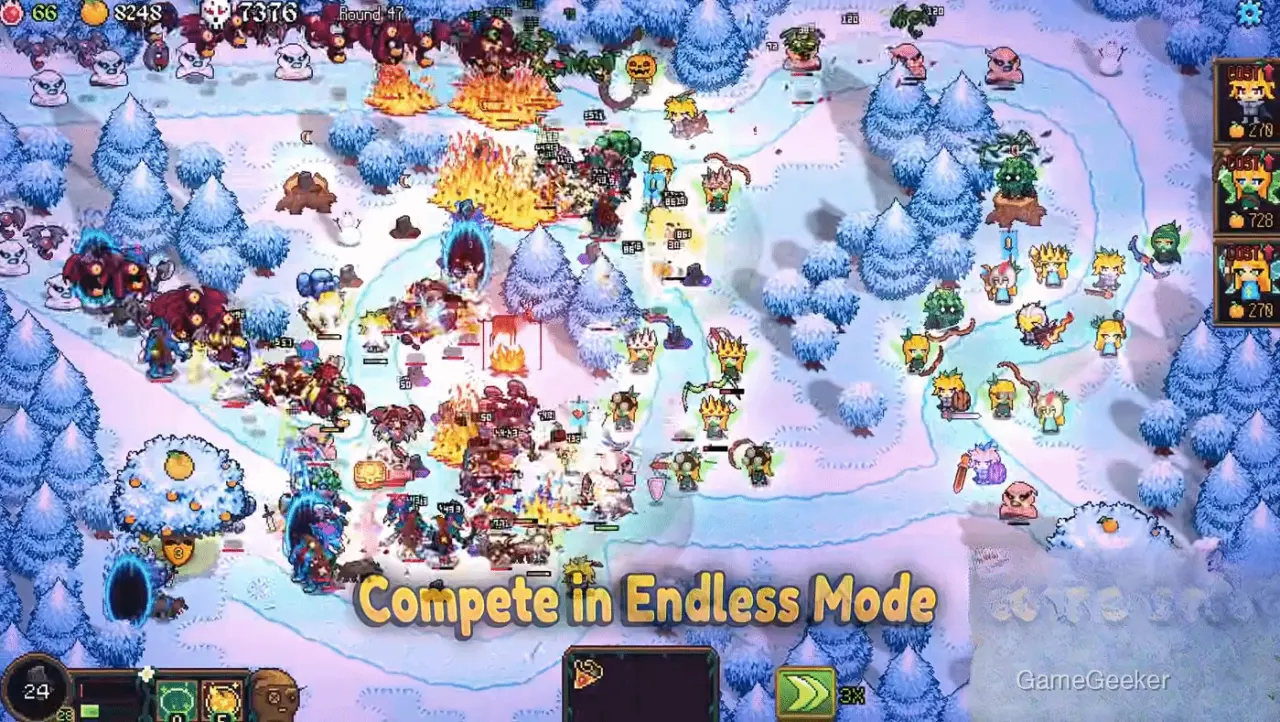
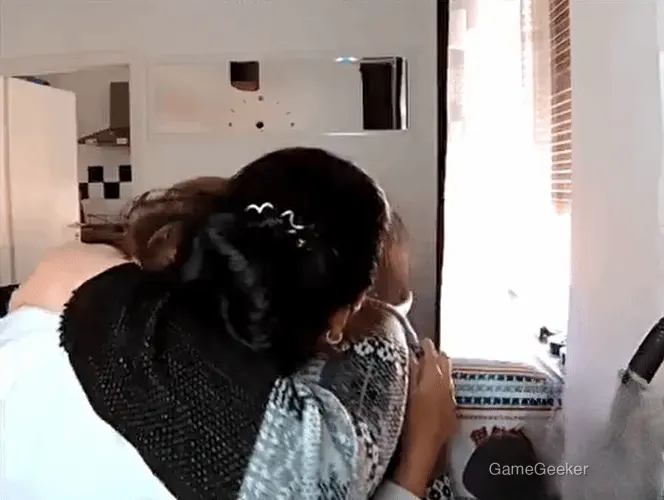
Even more astonishing is its performance. According to publicly available information, Tangy TD earned $250,000 in its first week after release, roughly 1.7 million RMB. For a solo-developed project, that’s more than just “breaking even”—it’s more like finally cresting a ridge after a long trek and seeing the entire plain beyond light up. When Cakez77 learned the number, he was moved to tears on the spot, and his wife stepped forward to hug him. That moment says more than any sales graph could: the hardest part of indie development is never dreaming, but carrying that dream through reality step by step until it’s finished.
In terms of product performance, Tangy TD currently holds an 89% positive rating on Steam. That figure is especially important for the tower defense genre, because tower defense players are usually very picky. If even one part of the loop—map pacing, build feedback, or progression curve—feels hollow, the game’s reputation will quickly crack, like stepping into an empty patch of ground that keeps resetting itself. To be getting reviews like this now, at the very least, shows that it stands firm where its core gameplay is concerned.

Of course, if you look a little further, you’ll find it’s not without barriers. Tangy TD currently does not support Chinese, which will directly shut out a portion of domestic players. Tower defense games in particular hide much of their enjoyment in understanding mechanics, experimenting with combinations, and judging numerical values. If the language doesn’t come through, that sense of discovery gets cut off abruptly—as if the map clearly shows a fork in the road, but all you can do is stand there in front of the signpost and worry.
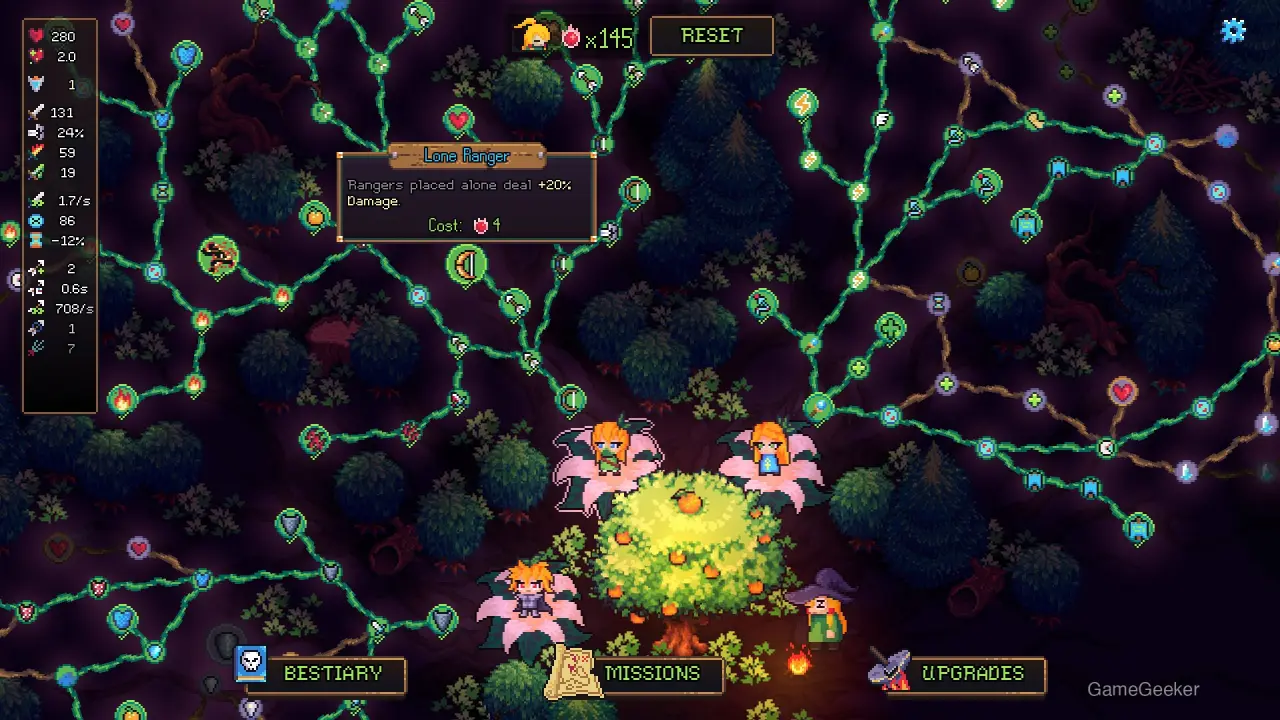
If you already love tower defense games, can handle an English interface, or are willing to figure things out as you play, then this kind of title is worth adding to your wishlist or even trying right away. It may not be the kind of enormous map that stuns you at first glance, but it’s a lot like stumbling into a small town while traveling: the streets may not be wide, yet the details might have more flavor than the main road. On the other hand, if you rely heavily on Chinese text guidance, it’s probably best to wait and see.
But beyond the map metaphors, what really caught my attention in this story is that the indie game market is still leaving room for people who take their time and do things seriously. One person, starting from self-teaching C++, spent more than 1400 days making a tower defense game, earned $250,000 in its first week, and won an 89% positive rating—at the very least, that shows players are willing to pay for solid gameplay. For those who enjoy digging up hidden gems and finding surprises, that will always be a good sign.
En ofertaTangy TD





Comentarios 0
Nos interesa tu opinión
¡Bienvenido! Cuéntanos qué te parece este juego: ser el primero puede tener premio.
Todavía no hay comentarios. Sé el primero.