 En ofertaSilent HopeFetching price~ $29.99-70%
Selecciones popularesVer todo
123456789101112
12 Best Mystery Games on PC (2026)
12 Best Space Sim Games on Steam (2026)
12 Best Story-Rich Games to Play (2026)
12 Best Turn-Based Tactics Games on Steam (2026)
12 Best Puzzle Games on Steam (2026)
12 Best Games to Play with Friends on PC (2026)
12 Best JRPGs on Steam (2026)
12 Best City Builder Games on Steam (2026)
12 Best Zombie Games on Steam (2026)
12 Best Free Indie Games on Steam (2026)
12 Best Short Indie Games to Try (2026) — Done in One Evening
12 Best Cozy Games on Steam (2026)
Juegos similares popularesVer todo
Games Like PowerWash Simulator - 12 Best Relaxing Cleaning and Restoration PicksGames Like ARC Raiders - 12 Best Extraction and Co-op Survival ShootersGames Like PEAK - 12 Best Co-op Climbing and Survival PicksGames Like R.E.P.O. - 12 Best Co-op Horror PicksGames Like Clair Obscur: Expedition 33 - 12 Best Turn-Based RPG PicksGames Like Path of Exile 2 - 12 Best Action RPG and Loot PicksGames Like Road to Vostok - 12 Best Hardcore Survival Shooter PicksGames Like Mina the Hollower - 12 Best Top-Down Action and Zelda-Like PicksGames Like Slay the Spire 2 - 12 Best Roguelike Deckbuilders to Play NextGames Like Resident Evil Requiem - 12 Best Survival Horror PicksGames Like Baldur's Gate 3 - 12 Best CRPGs and Turn-Based RPGsGames Like Monster Hunter Wilds - 12 Best Co-op Hunting and Action RPG PicksGames Like Hollow Knight: Silksong - 12 Best Metroidvania Picks (2026)Games Like Dead by Daylight - 12 Best Asymmetric & Co-op Horror PicksGames Like Final Fantasy VII Rebirth - 12 Best Action RPG & JRPG PicksGames Like Forza Horizon 6 - 12 Best Open-World Racing & Driving Picks (2026)Games Like Solarpunk - 12 Best Cozy Survival and Crafting GamesGames Like 007 First Light - 12 Best Stealth and Spy GamesGames Like Subnautica 2 - 12 Best Underwater and Alien-World Survival GamesGames Like Hell Let Loose - 12 Best Tactical Milsim Shooters
Análisis popularesVer todo

Hades II — Análisis

Clair Obscur: Expedition 33 — Análisis

Katana ZERO — Análisis

The Long Dark — Análisis

Shift At Midnight — Análisis

Middle-earth™: Shadow of Mordor™ — Análisis

The Mermaid Mask — Análisis

Killing Floor 2 — Análisis

The Outlast Trials — Análisis

American Truck Simulator — Análisis

Voidling Bound — Análisis

Go-Go Town! — Análisis

Desktop Explorer — Análisis

Dead as Disco — Análisis

Crushed In Time — Análisis

Beastro — Análisis
Can The Quiet Countryside Have It Both Ways? Nippon Ichi Isn’t Overreaching This Time
Gamersky, invited by Clouded Leopard Entertainment, recently played part of the mid-game in Quiet Farm and interviewed Nippon Ichi Software executive officer Yu Mizokami, former director of the Yomawari series. The clearest takeaway is also the most important one: this is a life sim first. The team itself pegs the mix at roughly 80% farming and management, 20% horror, and based on what was shown, that framing matters more than any trailer shock.
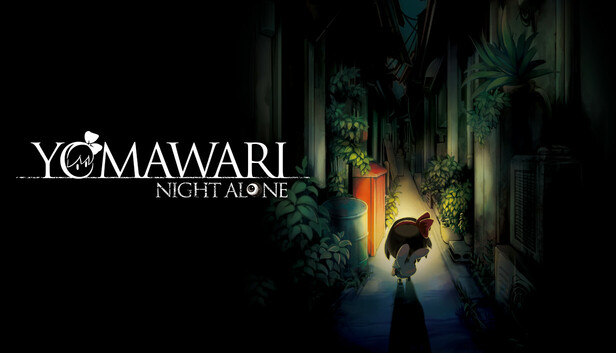
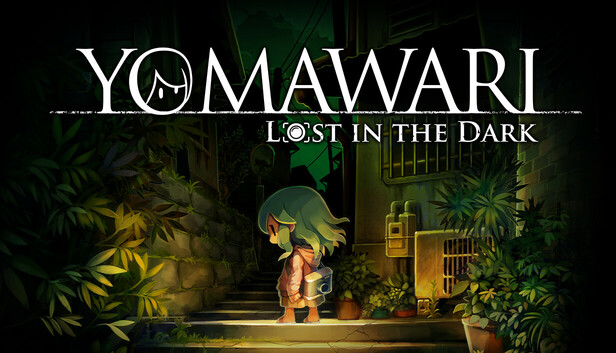
Once the PV and new details were released, plenty of people joked that this was basically "just Yomawari again." That reaction was predictable. The hand-drawn texture, overhead perspective, realistic 2D detail, and quiet unease all clearly come from the same lineage.

Still, the developers have drawn a firm line. Quiet Farm is not connected to Yomawari in setting or lore, and its core appeal is not survival horror but rural life. From the start of the project, the team defined the central concept as moving to the countryside, then tried to fuse that life-sim structure with folk horror. To underline that, the game adds a new Comfortable Life Mode, aimed at players who enjoy farm-life simulation but cannot handle horror sequences. You have to choose between Comfortable Life Mode and Quiet Farm Mode when creating a new save, and you cannot switch midway. If you want to start with a lighter version and move over later, that choice has to be made at the start.

That choice matters, but so does what the mode actually changes. Comfortable Life Mode includes the basic story, doesn't lock you into a fixed ending condition, and does not end the game after the main storyline is completed; you can keep running the farm freely afterward. Quiet Farm Mode also lets you remain in the village and continue daily life after the main ending. More importantly, the game has no bad ending at all. In Comfortable Life Mode, all horror events are blocked entirely. In the standard mode, the game is not casually punitive either. Follow the village rules and avoid pushing too hard against its taboos, and you are unlikely to run into frightening scenes.
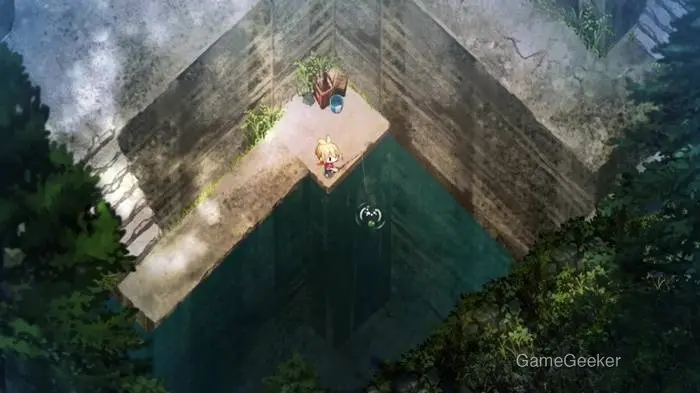
Another point in its favor is that it avoids the kind of punishment that tends to drag down horror hybrids. The developers explicitly said horror events will not wipe out or destroy the things players spent time building: money, furniture, livestock, or affection with villagers. There is no design where a horror story beat kills the character and triggers a bad ending, and the game is not interested in attaching major losses to its scary content. The old Yomawari-style first-encounter instant kill is gone too. In its place is a health system, so encounters with the supernatural cost HP rather than ending the game on the spot, and there are growth paths that raise your maximum health to help deal with difficulty. That is a much better fit for a life sim.

Just as importantly, the farming side does not look tacked on. The map is split into three major areas: the home yard, Kagetsu Village, and the surrounding mountain wilderness, with seamless transitions and no loading screens between them. As you progress, you unlock automation and convenience features including automatic sprinklers, skills for gathering resources faster, and shared storage boxes that sync across the entire map. Those may sound like minor conveniences, but in a game built on routine, they matter. If the automation systems are weak, repetition will wear down even a strong atmosphere.
The villager system also appears to have real weight. The village is set up as an insular place, so the protagonist has to contribute to the community and learn its customs before gradually being accepted. Build enough affection and you can uncover each villager's hidden secrets and dark past. That fits with what Yu Mizokami said about the overall structure: because the cast is much larger than in Yomawari, this game will use an ensemble narrative to tell a completely new story rather than lean on isolated scares. Even the redacted information in the character profiles on the official website unlocks progressively as the main story advances, and a blacked-out section is not, by itself, evidence that a character is suspicious.
A few limits are worth spelling out. The main story includes several mandatory sequences tightly tied to village rules that require late-night exploration. The game also hides a large amount of side content and secret scenes not just after the credits, but throughout the game. There are story branches in the main route as well, though the trigger conditions have not been disclosed. And yes, the developers have confirmed that the game includes combat sequences matching the music heard in the original soundtrack trailer.






Comentarios 2
Nos interesa tu opinión
¡Bienvenido! Cuéntanos qué te parece este juego: ser el primero puede tener premio.
Glad they spelled out the 80/20 split, because the trailers made it look way scarier than it is; optional safe mode makes this feel like a farm game I might actually stick with.
I bounced off Yomawari because the constant danger got exhausting, so an 80/20 life sim with safe mode and no instant-death or bad endings sounds way more my speed.
No hay más comentarios