

























Opening
In January 2024, a fifty-person Japanese studio almost nobody had heard of broke the internet. Palworld, the self-described "Pokemon with guns," sold eight million copies in six days, hit a peak of 2.1 million concurrent players on Steam — the second-highest number in the platform's entire history, behind only PUBG — and crossed twenty-five million players across Steam and Xbox Game Pass inside its first month. It was the kind of overnight phenomenon the games industry sees maybe once a decade, and it arrived from Pocketpair, a tiny developer whose previous game was a janky open-world experiment called Craftopia. The scale of the success was so disproportionate to the studio's size that the only honest first reaction was disbelief.
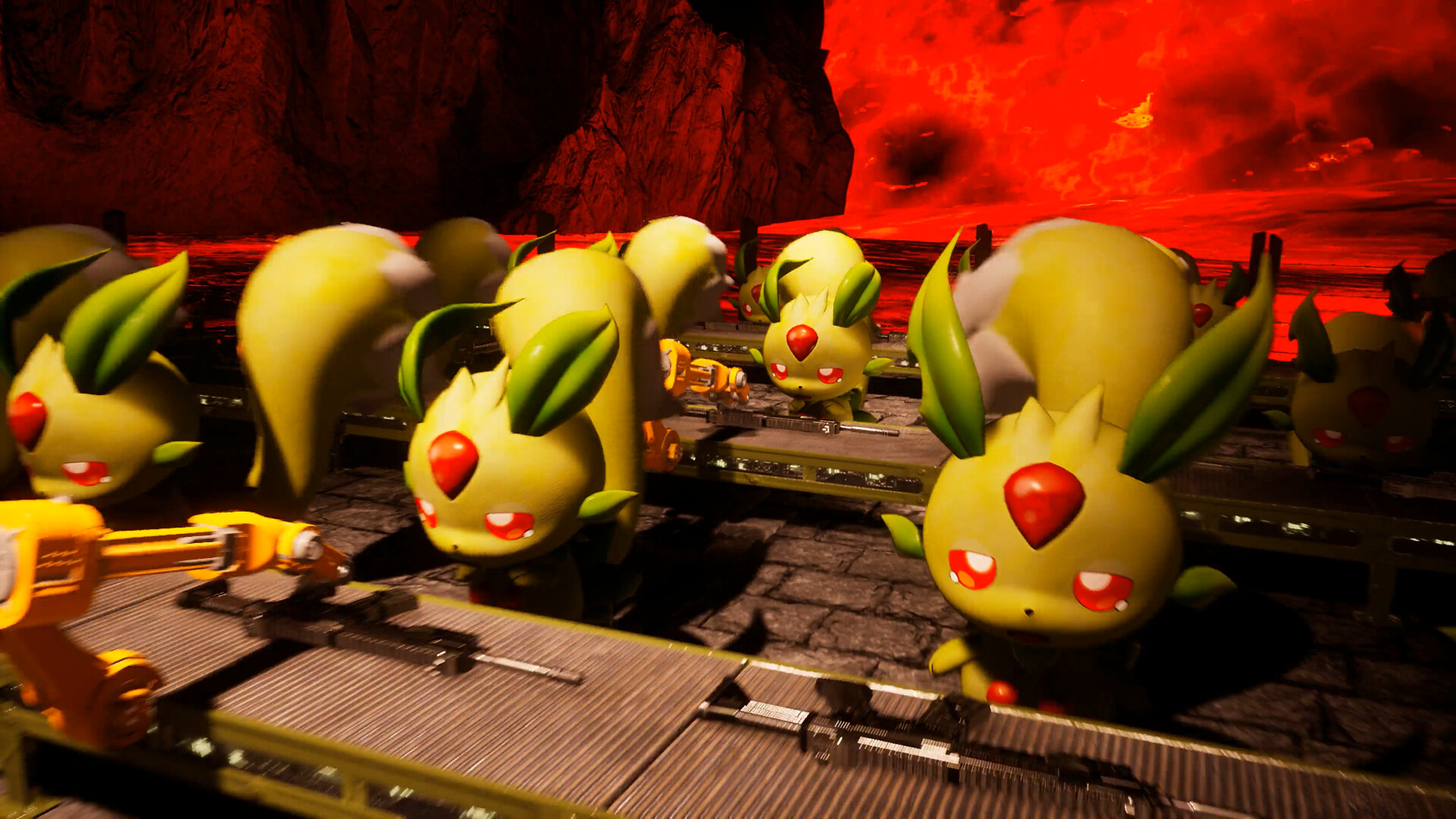
The pitch explains the hysteria. Palworld takes the creature-collection fantasy that Pokemon has monopolized for thirty years and fuses it with two things Pokemon never dared touch: a full survival-crafting sandbox in the vein of ARK, and an automation layer where your captured creatures become a literal workforce, mining ore, chopping wood, manning factories and generating power while you explore. Then it hands you an assault rifle. The result is a genre collision that should not work and absolutely does — a loop of catch, build, automate, and fight that swallowed millions of players whole and did not let go for fifty hours.
This review grades Palworld across six dimensions, and the scores map its split personality precisely: an 8.8 for gameplay, an 8.6 for content and an 8.5 for audio sit beside a 5.5 for a story it barely bothers to tell, landing on an 8.4 overall. That spread is the entire review in miniature. Palworld is a triumph of systems design and technical execution wrapped around a hollow narrative core, shadowed by an unresolved Nintendo patent lawsuit, and prone to a factory fatigue that sets in once the novelty burns off. It is one of the most important games of its year, and understanding exactly what it does brilliantly and where it runs thin is the job of the next six sections.
Story | 5.5/10
Scénario: 5.5/10Palworld scores 5.5 for story, comfortably its weakest dimension, and the number is an honest verdict on a game that treats narrative as an afterthought. There is no real campaign, no protagonist with an arc, no dialogue worth remembering, and a world whose lore you must reconstruct from scattered notes and environmental hints if you care to at all. For most players, the story of Palworld is simply not why they are here — but a review has to weigh it, and weighed honestly it comes up thin.
The five towers and the missing campaign
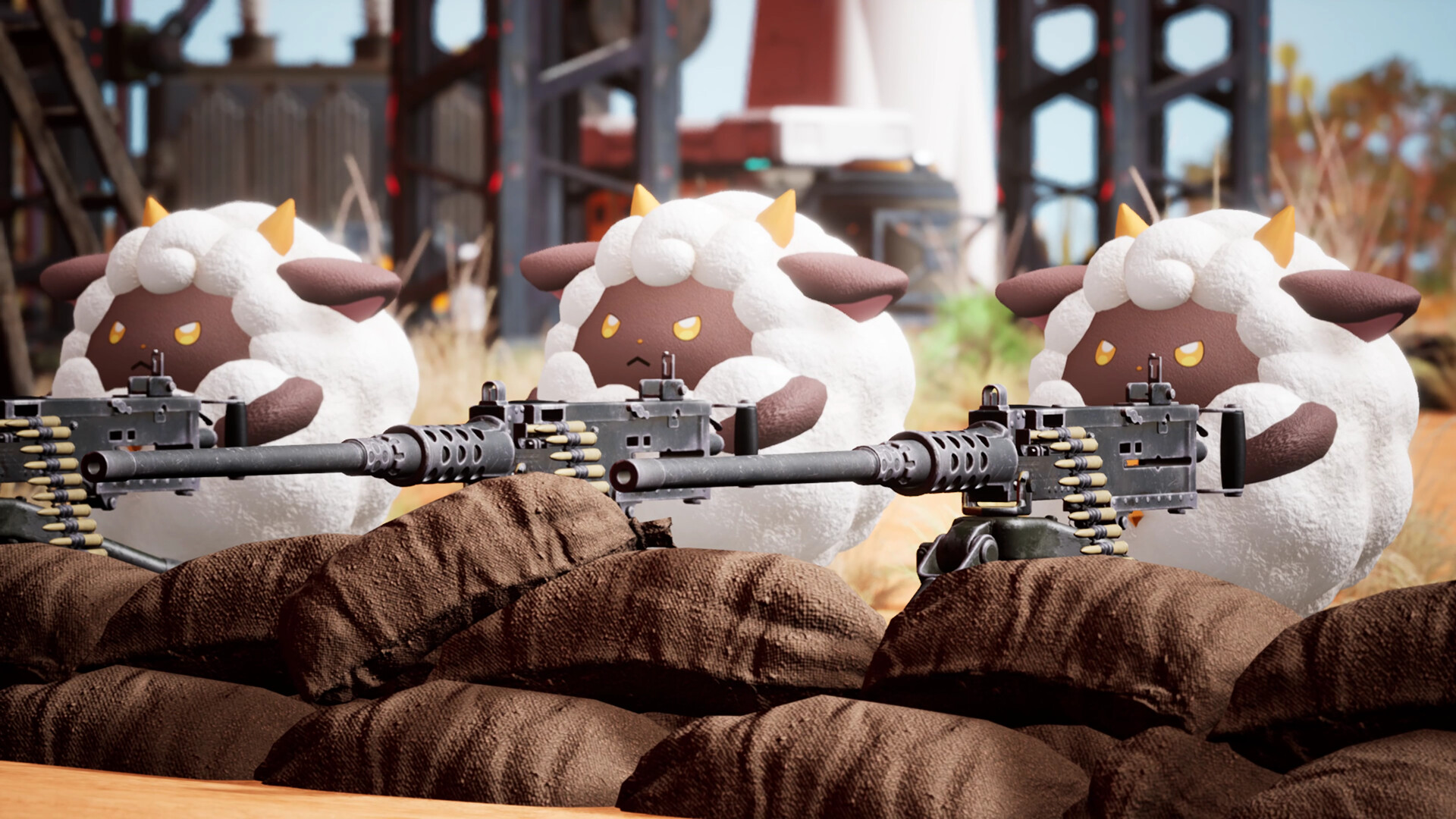
The closest thing Palworld has to an authored objective spine is the five Syndicate Tower bosses — Zoe, Lily, Axel, Marcus and Victor — each guarding a tower that gates your progression and each defeated in a flashy real-time battle. The fights themselves are spectacle, genuinely among the game's best set-pieces, but the characters guarding them are ciphers. They appear, they monologue briefly, they fight, they fall, and they leave almost no impression beyond the mechanical challenge they posed. There is no rising tension between them, no reason to care who they are, no payoff for beating the last one beyond the loot and the achievement. A creature game does not need a sweeping epic, but it needs a thread strong enough to pull you from one region to the next, and Palworld's thread is barely a string. The towers function as difficulty checkpoints rather than story beats, and the journey between them is authored entirely by the systems and the map, not by any writer. For a game that swallowed fifty hours of millions of players' lives, the near-total absence of authored motivation is striking, and it is the single clearest reason the story score sits where it does.
The satire it gestures at but never commits to
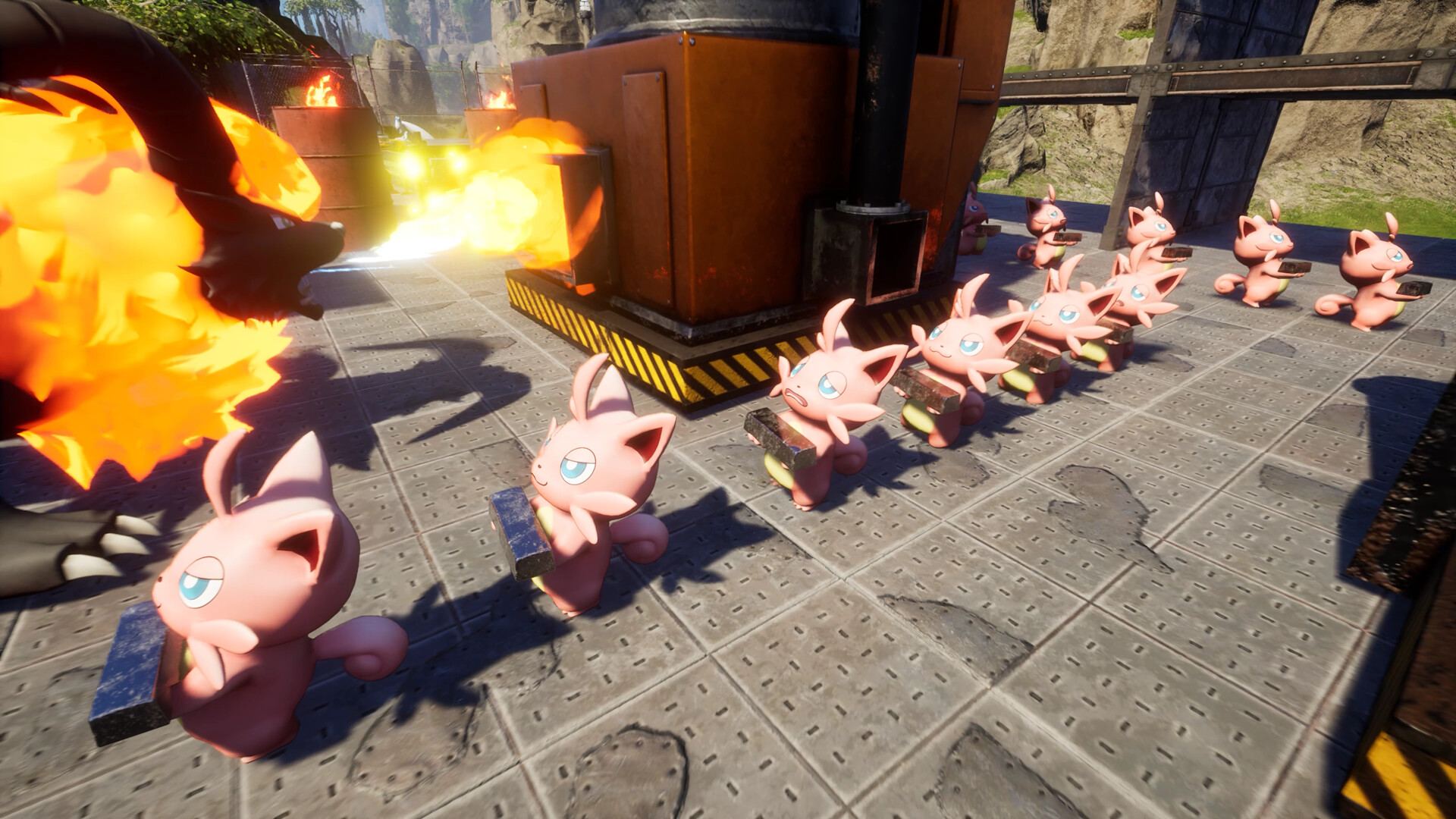
What is most frustrating about Palworld's empty narrative is how much sharp material it leaves on the table. The premise is genuinely dark: you capture adorable creatures and put them to work in factories, you can butcher them for resources, you can sell them, there are poachers and a black market, and the whole cheerful aesthetic sits atop a system of cute-creature exploitation that openly courts comparison to industrial labor and consumerism. There is biting satire latent in every mechanic — a game about the cuddly face of an exploitation economy — and for a moment it seems like Palworld might say something. It never does. The dark themes are present as flavor and environmental texture but the game refuses to develop them into anything, declining to comment on its own premise and leaving the satire as an unrealized gesture. A braver script would have made Palworld unforgettable; instead the darkness is set dressing, and the score docks it for the ambition it flashes and abandons. The world hints at a story far more interesting than the one the game is willing to tell.
Where the real narrative actually lives
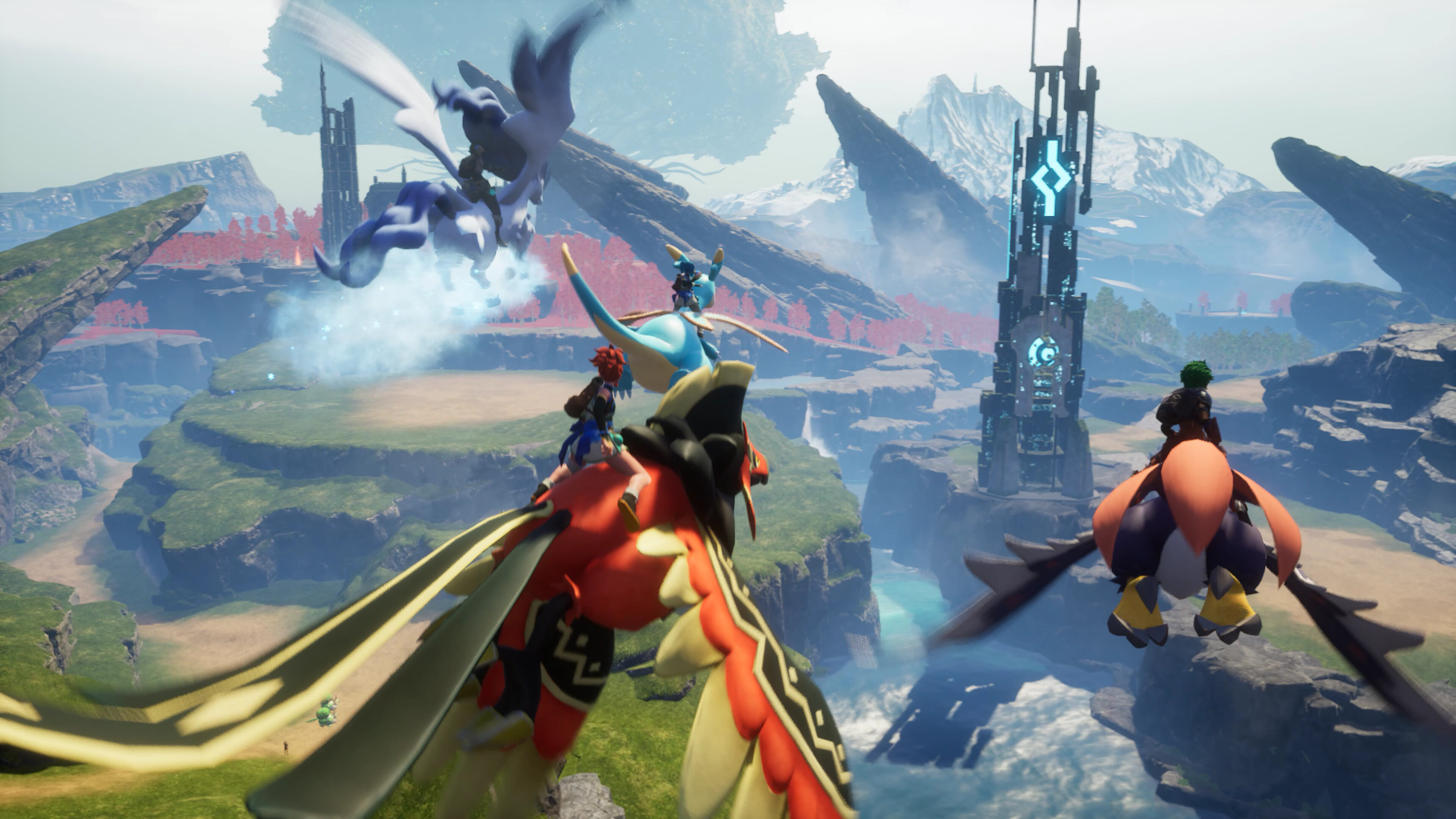
If Palworld's authored story is hollow, its emergent one is not, and this is the redemptive half of the 5.5. The narrative that matters in Palworld is the one you write yourself: the base you designed and slowly automated, the rare Pal you spent hours breeding toward a perfect stat line, the disastrous early night when a raid wiped your defenses, the friend you played co-op with and the empire you built together. Like its survival-sandbox cousins ARK and Valheim, Palworld understands that in this genre the player is the author, and it provides a deep enough toolkit that everyone's save tells a different story. That emergent storytelling is real and it is a genuine strength — but it is not the same thing as authored narrative, and the story score grades the latter. Against the genre standard set by Pokemon, which at least offers a structured if simple journey, Palworld trades all narrative hand-holding for an open sandbox and asks you to bring your own meaning. Many players happily do, and never miss the campaign the game declined to write. The 5.5 simply reflects that the game itself brought almost none of the authored meaning, leaving every bit of the emotional payoff to be supplied by the player, the systems, and the soundtrack instead.
Audio | 8.5/10
Audio: 8.5/10Palworld scores 8.5 for audio, and of all its dimensions this is the one that most exceeds reasonable expectations. Nobody buys a "Pokemon with guns" survival sandbox expecting a memorable score, yet the audio is one of the most quietly accomplished things a fifty-person studio has produced in years. It does real work — characterizing creatures the story refuses to flesh out, selling combat that defines the game, and making the long automation hours feel like a place you want to be rather than a chore you have to grind.
An orchestral score far bigger than the budget
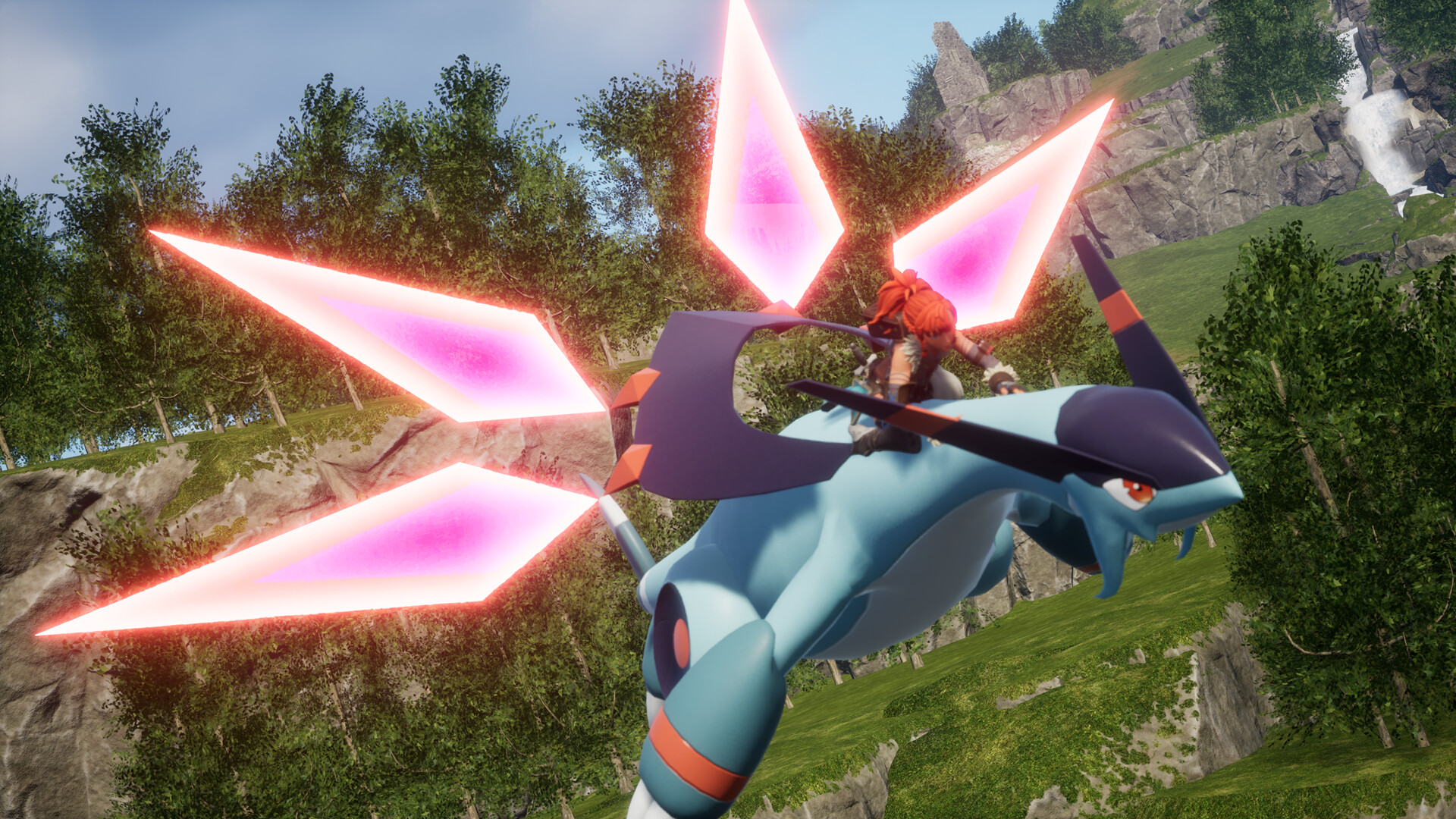
The first surprise is how cinematic Palworld sounds. The overworld is scored with sweeping orchestral themes that would not be out of place in a far larger production, and they carry a genuine emotional weight that the threadbare narrative never earns on its own. Riding a flying Pal across a sunlit grassland as the main theme swells is the closest Palworld comes to a story beat, and it lands purely on the strength of the music. The compositions shift with biome and situation, lifting for exploration and tightening for danger, and they give the whole experience a sense of scale and adventure that the systems alone would not convey. For a studio this size to commission and deliver a score of this ambition is remarkable, and it is the single biggest reason the audio dimension scores as high as it does. Where the writing left a vacuum, the music quietly stepped in and supplied the feeling, and the game is far better for it. It is the kind of production value that signals a developer who cared about the whole experience, not just the headline mechanics, and it elevates everything around it.
Pal cries and the personality the story withholds
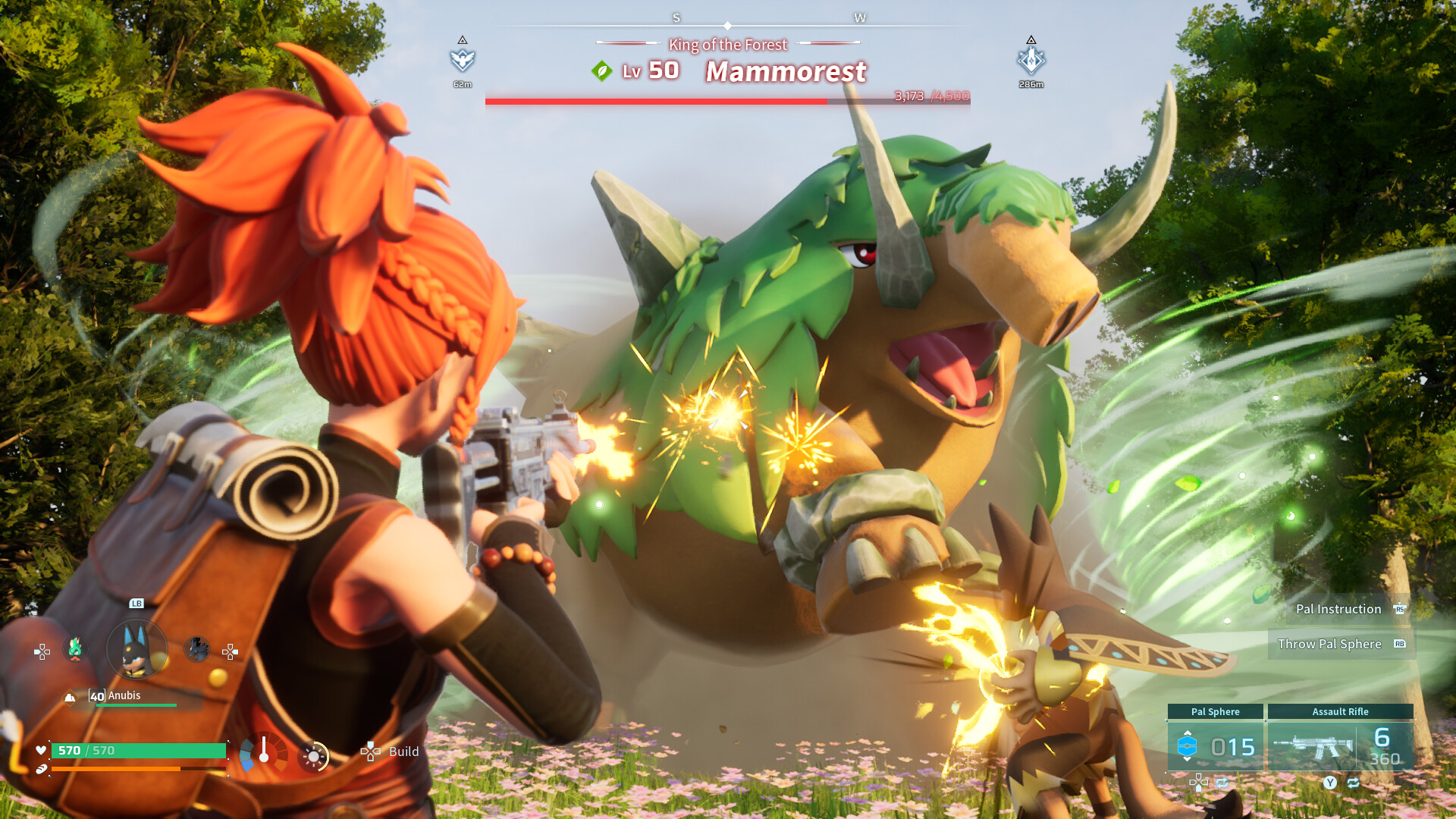
The second pillar of the 8.5 is the creature audio. With over two hundred Pals in the game, each needed a voice, and Pocketpair gave them distinct, expressive vocalizations that do an enormous amount of characterization work. A Pal's cries when it is happy, hurt, working or fighting give it a personality that the near-absent narrative never bothers to write, and over dozens of hours you come to recognize and feel affection for these creatures almost entirely through how they sound. The little grunts of a Pal hauling ore, the chirps of one tending a farm, the distressed yelps when one takes damage — these audio cues turn a roster of collectible stats into a cast of characters you grow attached to. It is a clever and effective substitution: the game outsources its emotional connection from the script, where it failed, to the sound design, where it succeeds. This is audio carrying narrative weight, and it works so well that many players form stronger bonds with their Pals than with any human character the game half-heartedly introduces.
Combat impact and the comfort of base ambience

The third strength is functional. Combat audio sells the real-time action that separates Palworld from every turn-based creature game: the crack of gunfire, the elemental whoosh of Pal abilities, the bass-heavy roars of boss encounters all give the fighting a physical impact that makes it feel like an action game rather than a menu. Each weapon and each elemental type has its own audio signature, and in the chaos of a tower boss the soundscape does real work communicating what is happening. Away from combat, the game shifts registers completely into cozy, low-key base ambience — gentle biome-specific music, the ambient sounds of a base humming along, the satisfying audio feedback of crafting and building — that makes the automation downtime genuinely relaxing rather than tedious. This range, from cinematic adventure to combat intensity to comfortable idle, is exactly what a game built on long sessions needs, and the audio delivers it across the board. The 8.5 is the score of a sound design that consistently does more than its budget should allow, and that often props up the dimensions around it.
Visuals | 8.4/10
Graphismes: 8.4/10Palworld scores 8.4 for graphics, a number that rewards a genuine technical achievement more than any visual flashiness. This is a colorful, stylized, enormous open world that runs stably across a remarkable range of hardware — including a verified, smooth experience on the Steam Deck — and the fact that a fifty-person studio shipped it in that state is the real headline. It is not the prettiest game of its year, and it does not try to be, but what it accomplishes relative to its resources is genuinely impressive.
Big, stable, and Steam Deck verified
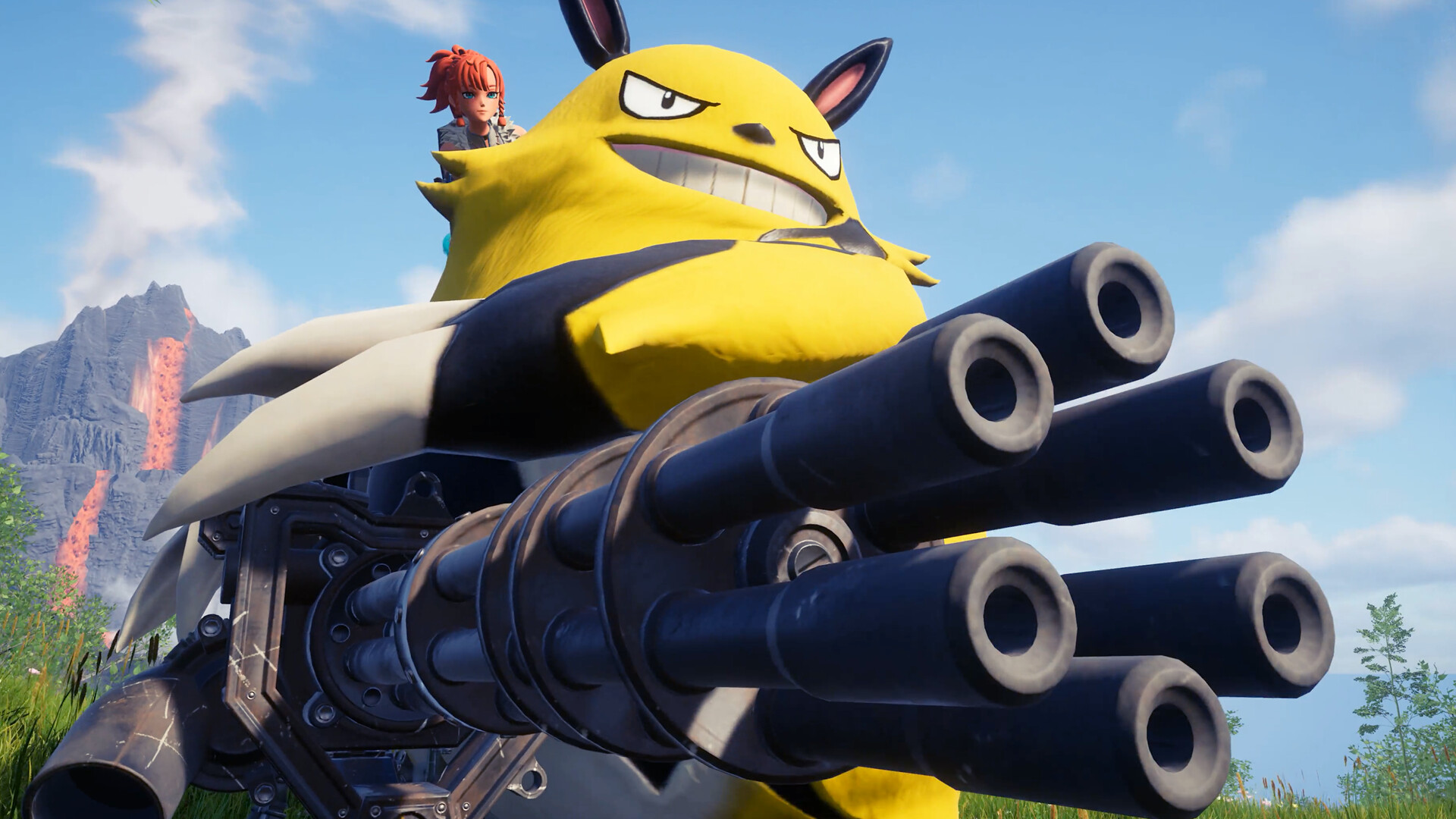
The most important graphics fact about Palworld is performance. The game presents a large, seamless open world full of creatures, bases, automation and physics, and it runs it at a stable frame rate on hardware as modest as the Steam Deck, where it earned Verified status. For a tiny studio working in Unreal Engine, that level of optimization across PC, Xbox and handheld is a serious engineering accomplishment, and it is a big part of why the game was so accessible at launch — twenty-five million people could actually play it smoothly, which is not something every far larger studio manages. The art direction is built to support that performance: a clean, readable, colorful style that prioritizes clarity and stability over photorealistic detail. This is a deliberate and correct trade. A game built on managing dozens of Pals, bases and combat encounters at once needs to be legible above all, and Palworld's visuals are always easy to parse even when the screen is full. The score rewards this pragmatic competence, the unglamorous but essential achievement of a big world that simply works for almost everyone who loads it.
Charming Pal designs and the controversy they carry

The visual heart of Palworld is its Pals, and the 200-plus creature designs are, for the most part, genuinely charming, varied and full of character. They span the cute, the cool, the menacing and the absurd, and the breadth of the roster is a real artistic accomplishment that gives the collection loop its appeal — you want to catch them partly because they are fun to look at. But the Pal designs are also the game's single biggest controversy, because a number of them sit strikingly close to existing Pokemon, close enough to fuel persistent accusations of imitation and to form part of the backdrop to Nintendo's legal action. Whether you read the resemblance as homage, parody or something less defensible, it is impossible to discuss Palworld's art without acknowledging that its creature designs are both its visual strength and its reputational liability. The designs do enough original work to stand on their own and give the world a distinct identity, but the shadow of comparison follows them everywhere, and any honest assessment of the graphics has to hold both truths at once: they are appealing, and they are contentious.
Biome variety and the early-access ceiling

Where Palworld earns the upper half of its 8.4 is environmental range. The world spans grasslands, deserts, volcanic wastes, snowfields and more, and the free Sakurajima and Feybreak island updates added entirely new visual palettes on top, giving the game real variety across its large map. Each biome has a distinct mood and color identity, and traversing them — especially from the air on a flying mount — is consistently pleasant to look at. What keeps the score from climbing higher is the honest reality of the game's technical foundation: the Unreal Engine fundamentals are solid but not cutting-edge, the lighting and texture work are functional rather than spectacular, and as an early-access title the game carries the expected rough edges, occasional pop-in, and unpolished corners. None of it undermines the experience, but it does cap the ceiling. The 8.4 is the score of a game that is far better-looking and far better-running than it had any right to be given who made it, while remaining clearly a step below the AAA productions it routinely outsold. It is a triumph of efficiency over budget, and on those terms the visuals deserve real credit. Held against the AAA creature games it was constantly compared to, Palworld looks rougher in isolation yet vastly more capable in motion, because it renders a living, automated, multiplayer world that those tighter productions never even attempt — and that is the comparison the 8.4 ultimately rewards.
Combat | 8.8/10
Gameplay: 8.8/10Gameplay is Palworld's highest score at 8.8, and it is the dimension that explains the phenomenon. The game's genius is not any single mechanic but the fusion of three normally separate genres — creature collection, survival crafting, and labor automation — into one loop that feeds itself endlessly. Catch Pals to build your base, build your base to automate production, automate production to free yourself to explore and catch more Pals. That cycle is so frictionless and so compulsive that millions of players lost entire weekends to it, and the 8.8 is the honest measure of how well it works.
Pals as a workforce: the automation hook
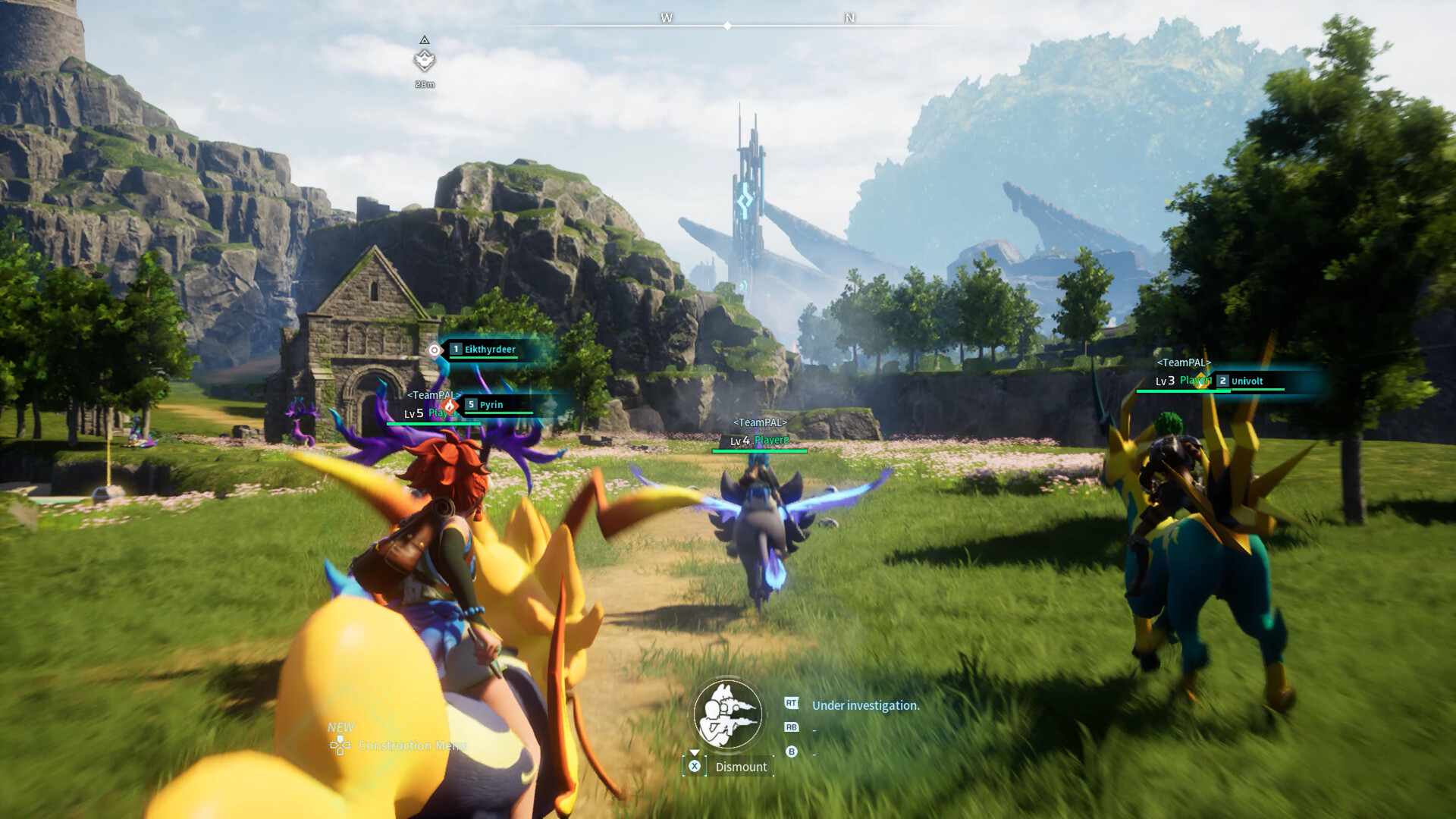
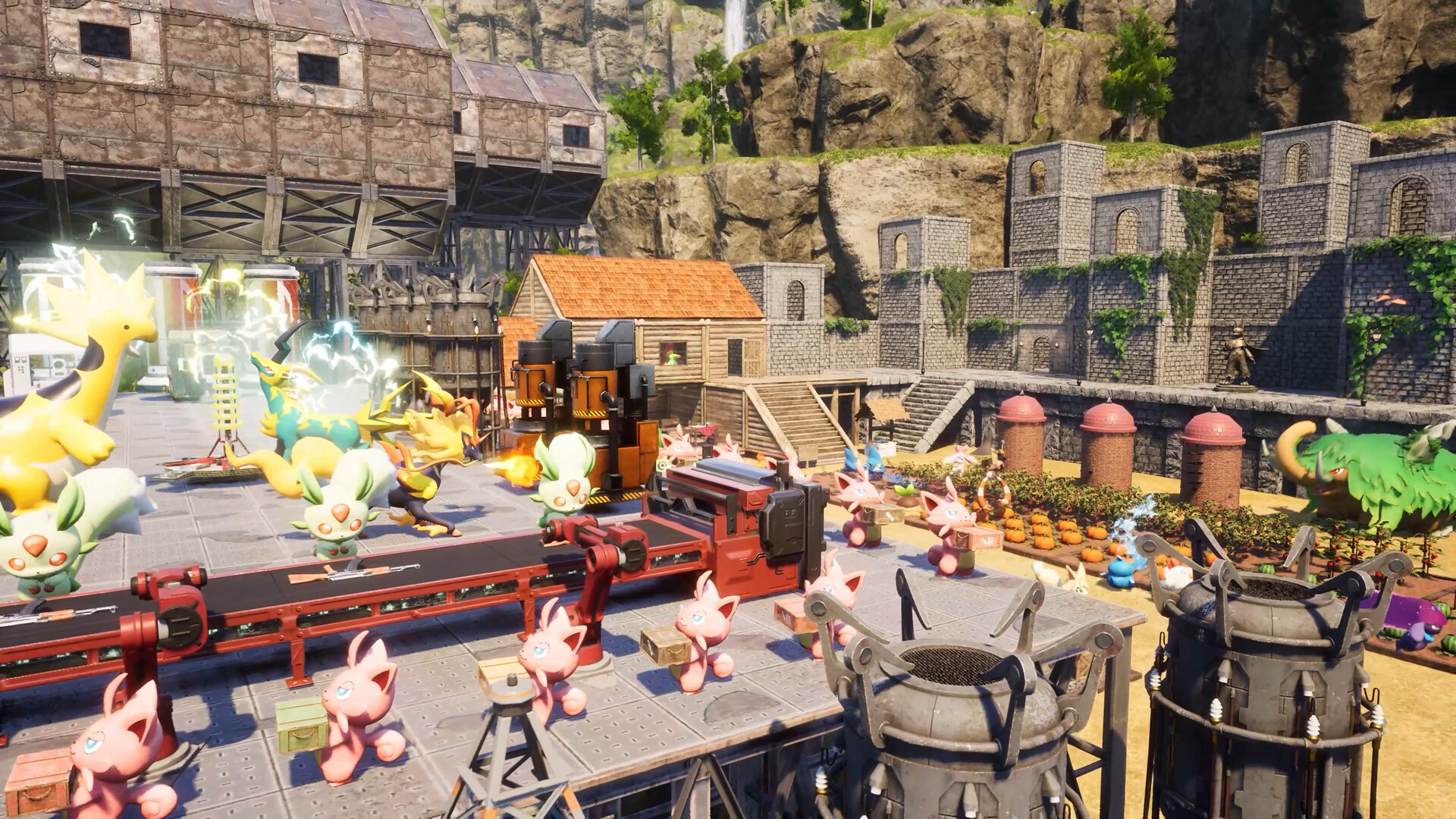
The mechanic that truly separates Palworld from every creature game before it is labor. Each Pal has work suitabilities drawn from twelve categories — mining, logging, farming, crafting, transporting, watering, generating electricity, and more — and once assigned to a base, Pals perform that labor autonomously. The result is that your base becomes a self-running factory: ore is mined, logs are chopped, crops are watered and harvested, items are crafted, and the whole operation hums along while you are off exploring or fighting on the other side of the map. This transforms creature collection from a combat-and-pokedex pursuit into a logistics and optimization game, where the question is not just which Pals are strong but which Pals are the most efficient workforce, and how to design a base that runs itself with minimal intervention. It scratches the same itch as dedicated automation games like Satisfactory, layered on top of the dopamine of catching creatures. No other game in the genre has anything like it, and it is the single clearest reason Palworld felt genuinely new rather than derivative. The automation loop is the hook that turns a curious weekend into a fifty-hour obsession.
Real-time combat that out-paces the genre
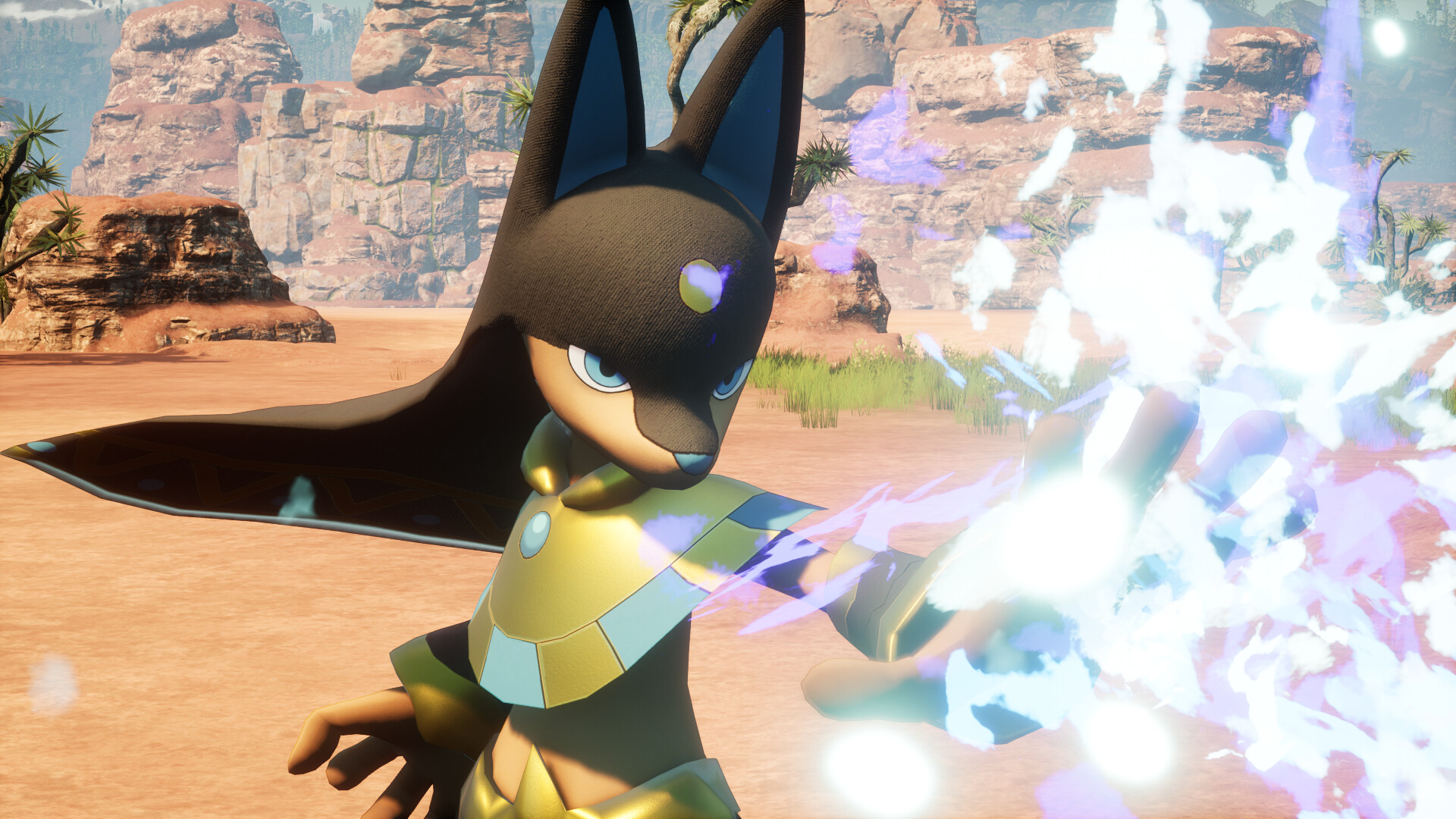
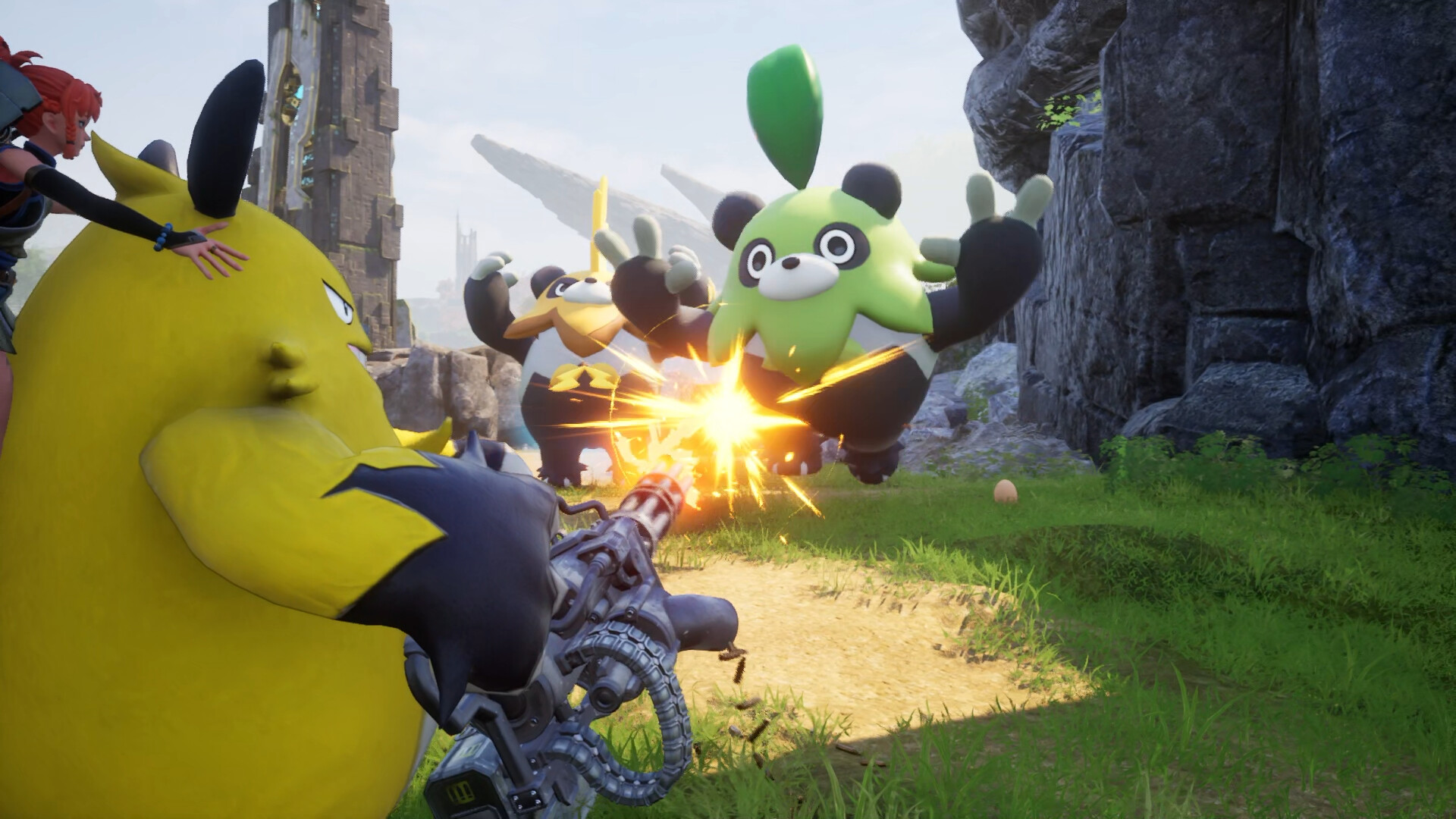
The second pillar of the 8.8 is combat, and here Palworld makes its boldest break from tradition. Fighting is real-time third-person action: you aim and fire actual guns, you dodge and reposition, and your active Pal fights alongside you with its own abilities, all governed by a nine-element matchup system that rewards smart type pairing. Against the stately turn-based rhythm of the games Palworld is compared to, this is a different sport entirely — kinetic, demanding, and genuinely exciting, especially in the spectacle of the tower boss fights where you and your Pal trade fire with a screen-filling enemy. The combination of shooter mechanics and creature abilities gives encounters a depth and pace that the catching genre has never offered, and it is a huge part of why the game appealed to players who would never touch a traditional monster-collector. Beneath the action sits real systemic depth: breeding and condensing let optimization players min-max Pal stats and passive traits toward perfect builds, giving the endgame a grind with genuine reward for those who want it. The combat is accessible enough for newcomers and deep enough for theorycrafters, which is a hard balance to strike.
The factory fatigue and the co-op multiplier

The honest cost of all this systemic richness is fatigue. Around the fifty-hour mark, for many players, the loop that was so compulsive begins to curdle: the automation that felt magical becomes management busywork, the labor cycles grow repetitive, and the lack of a narrative pull leaves nothing to carry you through the lull. This factory fatigue is the clearest reason for the player drop-off the game saw between major content updates, and it is the main thing keeping the gameplay score at 8.8 rather than higher — the loop is brilliant but it is also finite, and it does not yet have the long-tail variety to hold everyone indefinitely. What extends it most effectively is multiplayer: cross-platform co-op for up to thirty-two players turns the entire sandbox into a shared project, where friends divide labor, build together, and tackle bosses as a team, and the social dimension reliably reinvigorates the loop long after solo play has cooled. Played with friends, Palworld's gameplay is at its absolute best, the fatigue deferred by the simple pleasure of building something together. The 8.8 reflects a core loop that is genuinely innovative and deeply compulsive, honestly tempered by the wall many players eventually hit.
Content | 8.6/10
Contenu: 8.6/10Content scores 8.6, and the case for it is built on sheer abundance: a vast roster of creatures, a deep stack of interlocking systems, a large and growing open world, and a stream of substantial free updates that kept expanding the game long after launch. Palworld is not a game you exhaust in a weekend; it is a sandbox that generates objectives faster than most players can complete them, and the engagement numbers prove the content connected on a massive scale.
Two hundred Pals and a sandbox of systems

The foundation of the 8.6 is the Paldeck. There are over two hundred Pals to discover, catch, breed and deploy, each with its own combat abilities, work suitabilities, and place in the ecosystem, and completing the collection alone is a sprawling pursuit across every biome in the game. But the creatures are only the entry point, because each one feeds into a stack of systems that multiply the content far beyond catching. Base-building lets you design and expand settlements; automation turns those bases into self-running operations to optimize endlessly; breeding and condensing open a deep min-max endgame; dungeon raids and field bosses provide combat challenges and rare rewards; and the survival layer of hunger, resources and crafting underpins all of it. These systems interlock so that progress in one opens possibilities in another, and the result is a game where there is always a next goal — a Pal to breed, a base to redesign, a boss to beat, a region to explore. That density of interlocking content is exactly what sustains the long sessions Palworld is built around, and it is the core of why the dimension scores so well.
Free islands and the post-launch growth

What elevates the content from large to genuinely generous is how Pocketpair handled the post-launch period. Rather than carving content into paid DLC, the studio shipped major expansions for free: the Sakurajima update added a whole new region with new Pals and challenges, and the Feybreak update added another island, new bosses, and the Pal Arena for competitive battling. These were not minor patches but substantial additions that meaningfully grew the world and gave lapsed players concrete reasons to return, and they arrived at no extra cost. This is the same conscience-developer posture that puts Pocketpair in the company of studios like CD Projekt — a pure premium model with zero pay-to-win microtransactions, where you buy the game once and every major content drop is included. In an industry increasingly defined by battle passes and monetized grind, that approach is both rare and genuinely player-respecting, and it materially improves the content proposition: the game you bought keeps getting bigger for free. The post-launch roadmap turned a strong launch package into a steadily growing one, and that trajectory is a real part of the score.
The numbers that prove it landed
Content quality is ultimately validated by whether players engage with it, and here Palworld's evidence is overwhelming. Twenty-five million players across Steam and Xbox in the first month, a 2.1-million concurrent peak that ranks second in Steam history, and a 94 percent positive rating across more than 354,000 Steam reviews are not the numbers of a game that runs out of things to do — they are the signature of content that gripped an enormous audience and held it. The Game Pass day-one launch broadened that reach even further, making Palworld the biggest third-party debut the service had seen. The one honest asterisk on the content score is the factory fatigue discussed in the gameplay section: the breadth is real but the late-game can feel repetitive, and the content is better at generating early-and-mid-game objectives than at sustaining indefinite play, which is part of why the free updates mattered so much. But weighed as a whole — two hundred-plus creatures, a deep web of survival and automation systems, a large open world, and a stream of free expansions — the 8.6 is the score of a game overflowing with things to do, and the millions who poured hundreds of hours into it are the proof. Few games launch with this much to do, and fewer still keep adding to it for free, which is why the content holds up as one of Palworld's strongest and most player-respecting dimensions.






Commentaires 0
Votre avis nous intéresse
Participez à la discussion et partagez votre avis sur ce jeu.
Aucun commentaire pour l'instant. Partagez votre avis sur ce test.