



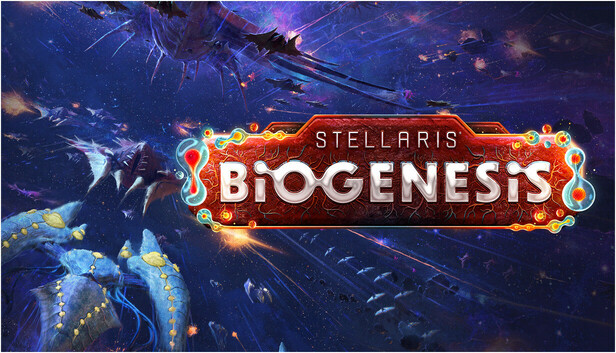
DLCStellaris: BioGenesisChargement des offres en boutique

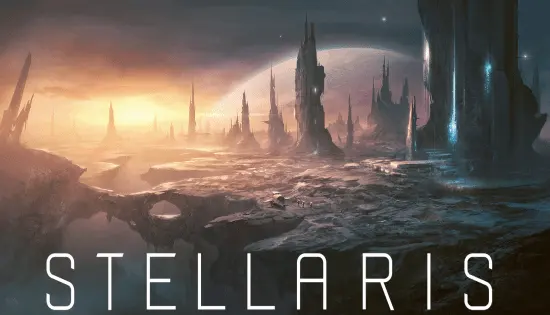
Stellaris associe exploration, diplomatie et flottes personnalisables dans une vaste stratégie spatiale. Le prix de ≈ €8.99 chez  Eneba est le point d’entrée immédiat ; son intérêt pour votre budget dépend de votre envie de bâtir des empires et de prendre des décisions stratégiques à long terme. Le solo et le multijoueur proposent deux façons de façonner la galaxie. Stellaris coûte ≈ €8.99 chez Eneba ; la prochaine période de soldes Steam annoncée est 17 déc. 2026 – 4 janv. 2027, sans garantie de participation ni de réduction.
Les prix couvrent Steam et 39 boutiques agréées ; seules les offres vérifiées sont comptabilisées. La courbe montre les minimums hebdomadaires du marché et le prix officiel Steam sur les 36 derniers mois.
L’historique des prix est enregistré en USD. Les montants affichés sont convertis en EUR au taux BCE du 2026-10-09 et sont indicatifs ; la page de la boutique indique ce que vous payez réellement.


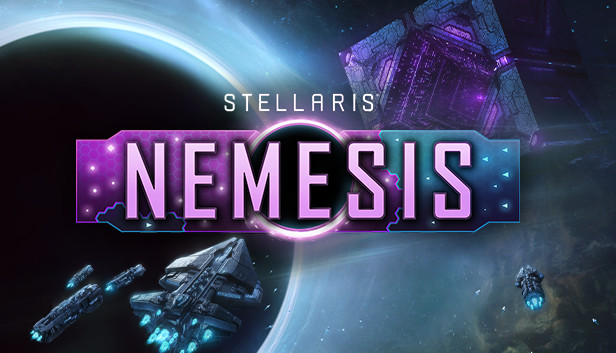
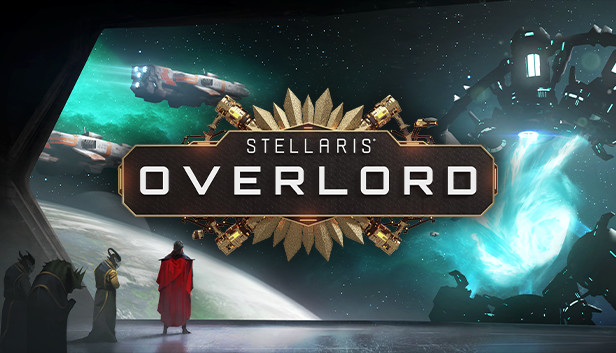

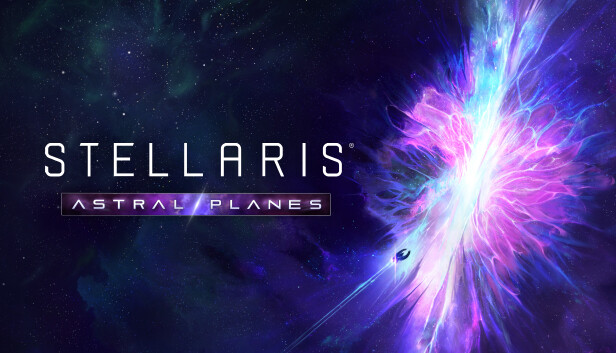


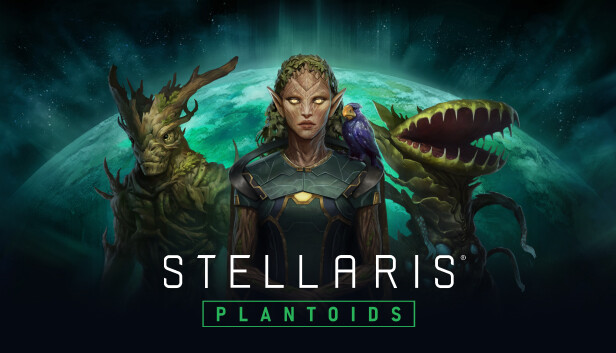
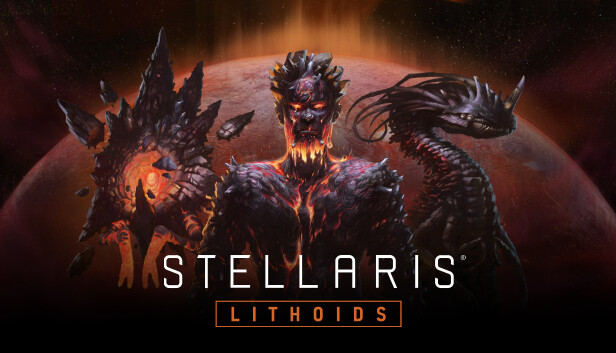
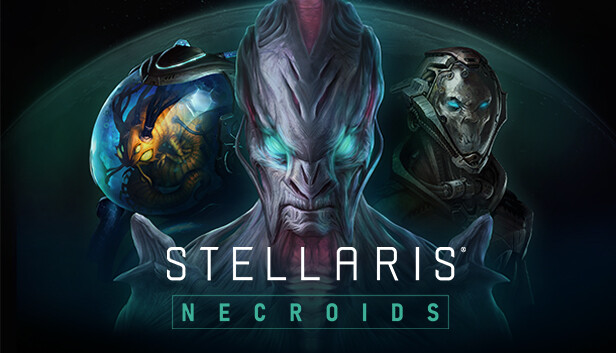
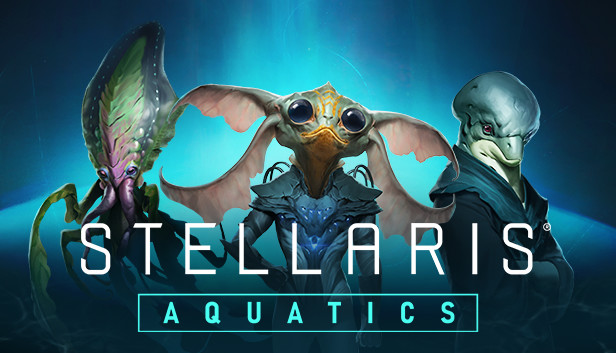
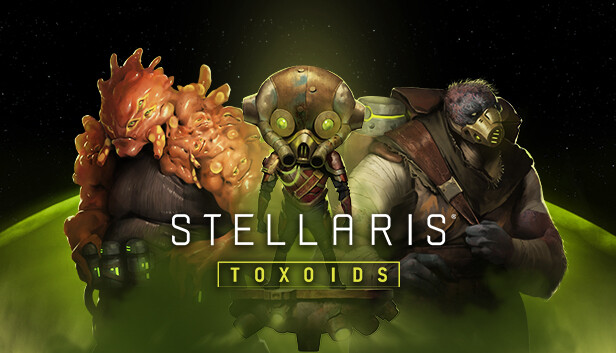
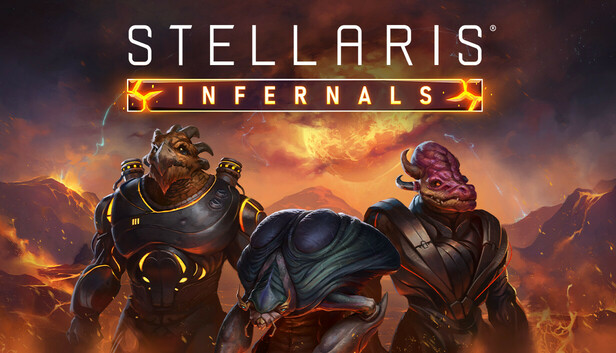
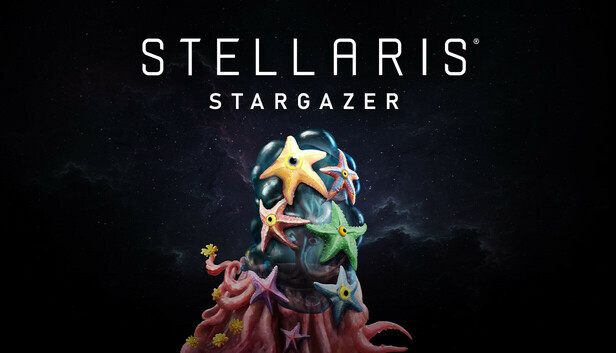
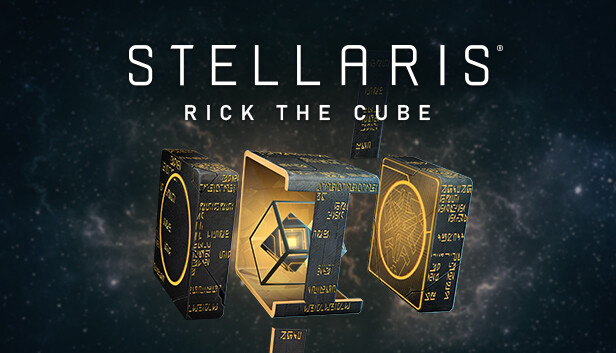
Explorez une galaxie générée de façon procédurale, où les systèmes stellaires cachent des mystères et des civilisations extraterrestres. Envoyez des vaisseaux scientifiques, étudiez les anomalies et façonnez un empire par l’exploration, la diplomatie et la guerre. Avis des joueurs Steam : 85% positifs sur 139 262 avis. Langues d’interface prises en charge : Chinois simplifié, Anglais, Français, Allemand, Espagnol, Polonais, Portugais (Brésil), Russe, Japonais et Coréen.
| Langue | Interface | Sous-titres | Audio |
|---|---|---|---|
| Chinois simplifié | Oui | — | — |
| Anglais | Oui | — | — |
| Français | Oui | — | — |
| Langue | Interface | Sous-titres | Audio |
|---|---|---|---|
| Allemand | Oui | — | — |
| Espagnol | Oui | — | — |
| Polonais | Oui | — | — |
| Portugais (Brésil) | Oui | — | — |
| Russe | Oui | — | — |
| Japonais | Oui | — | — |
| Coréen | Oui | — | — |
Données de l’édition Steam sur PC · 2026-10-10
La version Steam sur PC propose le jeu solo, le multijoueur et le multijoueur multiplateforme.
Les langues d’interface prises en charge incluent l’anglais et les deux variantes du chinois. Les langues intégralement doublées ne sont pas précisées ici.
Explorez une galaxie générée de façon procédurale, étudiez des anomalies et rencontrez des civilisations extraterrestres.
Personnalisez votre empire et orientez son destin par la diplomatie, les alliances et la guerre.
Le concepteur de vaisseaux permet de personnaliser les flottes et de choisir des technologies complexes.
“Role-playing 4X sandbox welding Paradox event chains onto a 4X skeleton, ten years of long-tail polish”
A decade of long-tail operation has proved a single thesis. Stellaris is not "a freshly released good game." It is "a continuously growing modern classic." Entering it today does not mean you get the launch product — that half "exploration wonder, midgame stall" hybrid. You get a deeply polished space sandbox with content density approaching that of an MMO.
At launch the competition was Endless Space 2 and the Master of Orion reboot. All three games entered the field together, but ten years later only Stellaris is still receiving DLC. Behind that gap is Paradox's long-running operational doctrine and a very large active community pulling in the same direction. Peer 4X titles slowed their updates over time; Stellaris kept accelerating.
The four-year anniversary brought all-time high monthly active users — a curve that essentially does not exist anywhere else in the 4X genre. Most 4X games peak at launch and decline forever after. Stellaris kept gaining players as the years passed. The cost of that longevity is that DLC count has accumulated to genuinely intimidating levels — thirty-plus expansions, more than a dozen narrative packs, over twenty species packs. Buying everything costs more than ten times the price of the base game.
The tenth anniversary giveaway of "base game plus three flagship DLCs" is Paradox's own admission that entry friction had grown too steep. The intervention pulls today's onboarding experience up to "open the box and immediately play the modern core of Stellaris." New players no longer face thirty DLCs in confusion — they can step directly into the core gameplay.
Players who want the trifecta of "macro-scale strategy, science fiction aesthetic, long-form operation" — this is the core audience. If you are weighing Endless Space 2, Sins of a Solar Empire, and the Master of Orion reboot, Stellaris is the highest-density choice across all three dimensions. It is not just a 4X; it is the most complete expression of a decade of long-tail 4X operation.
Players willing to spend a thousand hours on a "role-playing 4X" — the ascension paths, Galactic Custodian, and Become the Crisis triad deliver replay value that no other 4X currently matches. Every campaign can be a different identity. Sandbox replay depth pushes into the territory of dedicated RPGs.
Players who accept the Paradox learning curve and enjoy the "pressing space is the real skill" rhythm — this is not a game that teaches itself in ten minutes, but every hour of learning pays back as "I finally see the system" by the second campaign. That delayed payoff is the classic grand-strategy reward loop, and Stellaris pushes it to the limit.
Players who want compact turn-based sessions of four to five hours each. Civilization and Endless Space 2 are both better fits for "two hours before bed." The minimum Stellaris campaign already starts at twenty hours, which is unfriendly to fragmented-time players. Weekend-only casual players struggle to keep a single run coherent across many short sessions.
Players unwilling to learn Paradox economics and intolerant of UI density. Stellaris's information density is high, with essentially no hand-holding tutorial; the first ten hours are mostly a mix of wiki reading, watching videos, and trial-and-error. If you only want "press the attack button and have a fleet, expand and have territory," Sins of a Solar Empire is friendlier — it does not require you to understand the economic model first.
Players who insist on "buy once, done forever" — the Stellaris expansion matrix rolls forward indefinitely. You buy seven core expansions today and another core expansion arrives next year. For players who want to stop spending money on a game, this is a hole that never fully fills. Continuous investment is required to stay current.
New player path: start with the base game and the tenth-anniversary free DLCs. Play thirty to fifty hours to build a high-level mental model. Then prioritize purchases — Federations, then Nemesis, then Overlord, then Galactic Paragons, then The Machine Age. These five core expansions plus the gifted Utopia and Synthetic Dawn cover more than five hundred high-quality gameplay hours.
Narrative-driven players follow up the core stack with Distant Stars, Ancient Relics, and Astral Planes — these three significantly increase event chain density. Species packs are taste-driven purchases. Mechanical packs vary in value — Cosmic Storms can wait.
Console players should follow the "console base plus current season" route. That is the simplest path, at the cost of the mod ecosystem. PC players are strongly encouraged to enable the Steam Workshop once the basic gameplay is internalized — "Extended Notes" plus "More Events" is the canonical community pair, and it lets second-campaign new players actually read the economy.
The tenth anniversary window is the optimal entry moment. Across the full Steam discount cycle the price curve hits its long-run low. New players can configure roughly eighty percent of the core content in a single transaction. By per-hour cost, Stellaris remains one of the lowest-cost-per-hour options the 4X genre has ever offered.
Les avis utiles sélectionnés dans cette langue montrent des recommandations comme des critiques. Cette sélection ne représente pas la note positive globale ; les opinions portent sur la version évaluée.
Source : avis originaux des utilisateurs Steam. Les votes utiles sont une archive, pas des données en direct. Dernière collecte : 14/08/2026.