Actualité
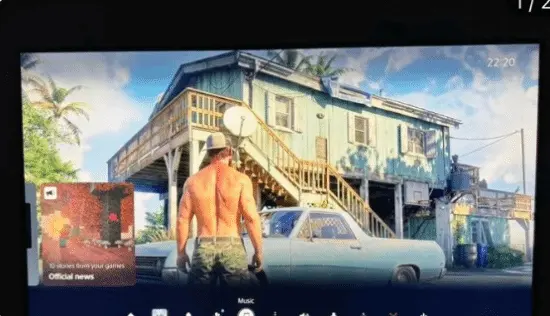
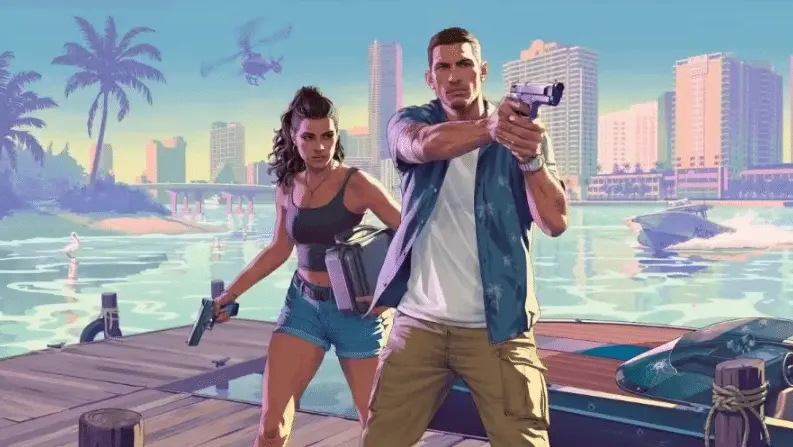
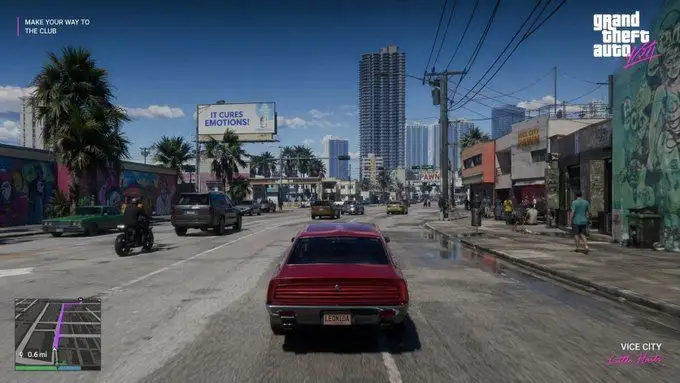
GTA 6 Leaked Screenshots Spark Debate Over AI Generation
Reddit and 4chan users are questioning a "GTA6" screenshot showing impossible PS5 interface overlay.















OpenAI released ChatGPT Images 2.0 on April 21, pushing AI-generated imagery past the threshold where human eyes can reliably spot fakes. Within days, social platforms were flooded with fabricated announcements—one viral post claimed Tim Cook had joined Xiaomi's automotive division.

Xiaomi executives rushed to debunk the hoax, but the damage control couldn't keep pace with the tool's speed. Users type a single sentence, wait a few seconds, and receive a photo with texture and detail that mimics real camera output. The old assumption that screenshots carry inherent credibility no longer holds.

The stakes escalate when fabrications target financial markets. One user generated a fake dissolution notice for Kingsoft's Xishanju studio—the kind of rumor that can move stock prices before anyone verifies the source. Another circulated an image of a homeless intruder breaking into a residence, triggering panic among neighbors. The cost of producing convincing fakes has dropped to nearly zero, dismantling the "seeing is believing" framework we've relied on for decades.

Technical progress delivers convenience and ethical dilemmas in equal measure. When AI can render indistinguishable forgeries, it lowers the barrier for bad actors and casual pranksters alike. The threat to information integrity may be more severe than early assessments suggest. How we verify image authenticity going forward is a question that demands answers from platforms, regulators, and users.

Commentaires 0
Votre avis nous intéresse
Bienvenue ! Partagez votre avis sur ce jeu — une surprise attend peut-être la première personne à commenter.
Aucun commentaire pour l'instant. Soyez le premier.