Actualité
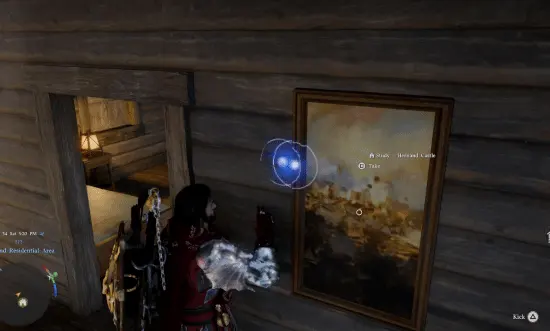
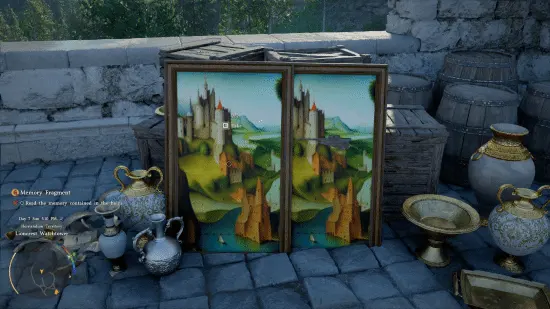
Hand-Drawn Art Replaces AI! Will Players Buy Into This Change in Red Desert?
"Red Desert" removes AI-generated artwork in favor of hand-drawn illustrations; players have mixed r
















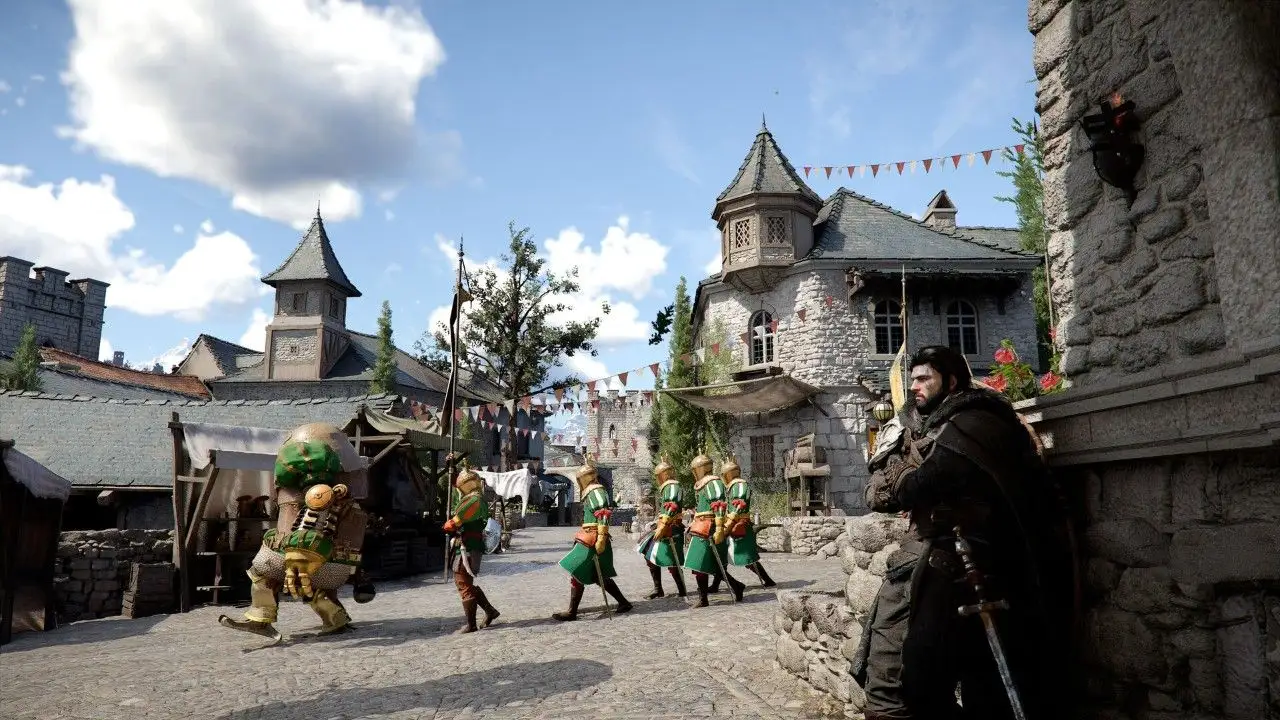
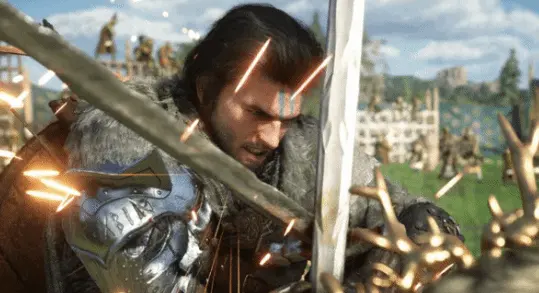
Recently, the biggest talking point around Crimson Desert hasn’t been how big its open world is or how stunning its visuals look, but a more direct question: does it actually feel good to play?

Based on the hands-on impressions released so far, the controversy goes beyond simply being “hard to pick up.” Many players have pointed out that its button logic differs greatly from that of typical action games, with no consistent rules governing basic interactions, skill activation, and target locking. According to GamesRadar, most people who tried it felt the design was clearly confusing, rather than just having a steep learning curve.
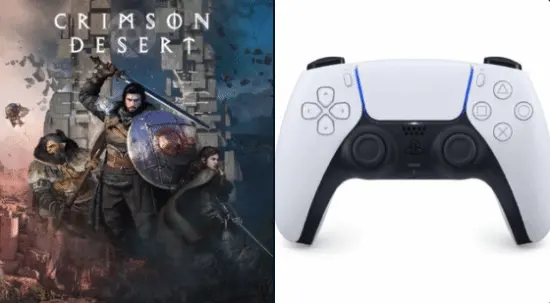
The most typical example comes from interaction on the PS version: sometimes, talking to an NPC only requires pressing Square directly; other times, you first have to hold L1 to lock on, then press Square to trigger it. On top of that, some skills require pressing both the right shoulder button and right trigger at the same time, while aerial dashes require rapidly clicking R3. Even for veteran action players, these combinations are hardly easy, let alone for newcomers trying it for the first time. Some players even reported that after more than 3 hours of hands-on time, they were still frequently pressing the wrong inputs and could even accidentally hit NPCs.

Pearl Abyss’s stance on this is also very clear. Marketing director Will Powers compared the adjustment process to “learning to ride a bicycle,” meaning it may feel awkward at first, but once you get used to it, everything starts to click. The official position is also that they will not change the core control logic, only make minor tweaks to the finer details.
Why has this statement continued to fuel the debate? Because “complex” does not equal “chaotic.” Back in the day, Demon’s Souls also felt uncomfortable to many players at first, but its underlying rules were consistent, and the more you understood them, the smoother it became. Dishonored development lead Dinga Bakaba has expressed support for non-standardized controls, arguing that they can provide a rewarding kind of mental challenge. There’s nothing wrong with that in itself. But the premise still has to be this: players should be able to build stable expectations through practice, rather than having every interaction feel like opening a blind box.

From a player’s perspective, I think Crimson Desert is facing a very real problem right now: it wants to package its “learning cost” as a unique feature, but the market may not be willing to pay for inconsistent control logic. Especially today, when competition among action games is becoming more intense, the first hour of gameplay often determines the direction of word of mouth.
If you already enjoy hardcore action games and are willing to spend time wrestling with a control system, then this title is still worth keeping an eye on. But if you care more about intuitive feedback and smooth combat, it may be better to wait for more complete player reviews before deciding whether to jump in. Because right now, the risk with Crimson Desert isn’t that it’s difficult, but that it feels awkward. Whether it can eventually turn public opinion around will depend on whether the final version can prove that this control scheme is truly “deep,” rather than just “anti-human.”
Commentaires 0
Votre avis nous intéresse
Bienvenue ! Partagez votre avis sur ce jeu — une surprise attend peut-être la première personne à commenter.
Aucun commentaire pour l'instant. Soyez le premier.