Actualité
Is *Crimson Desert* Really That Amazing? Players with 100 Hours Are Arguing Fiercely
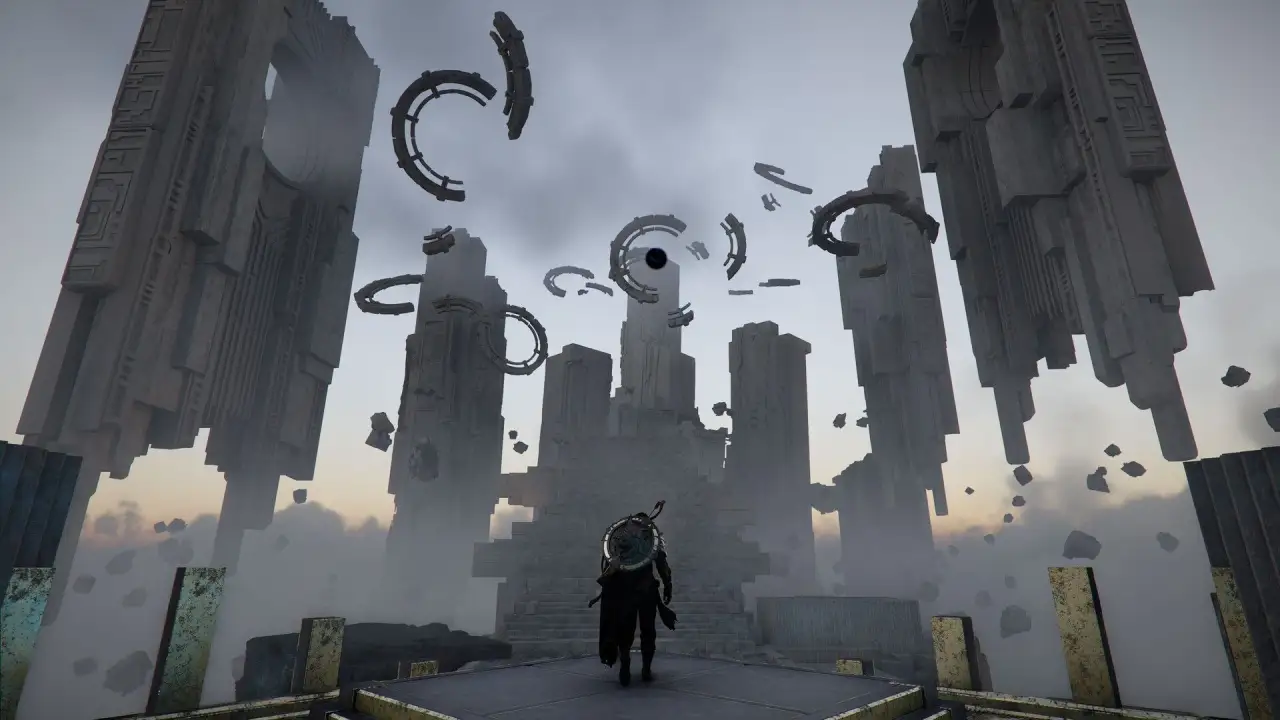
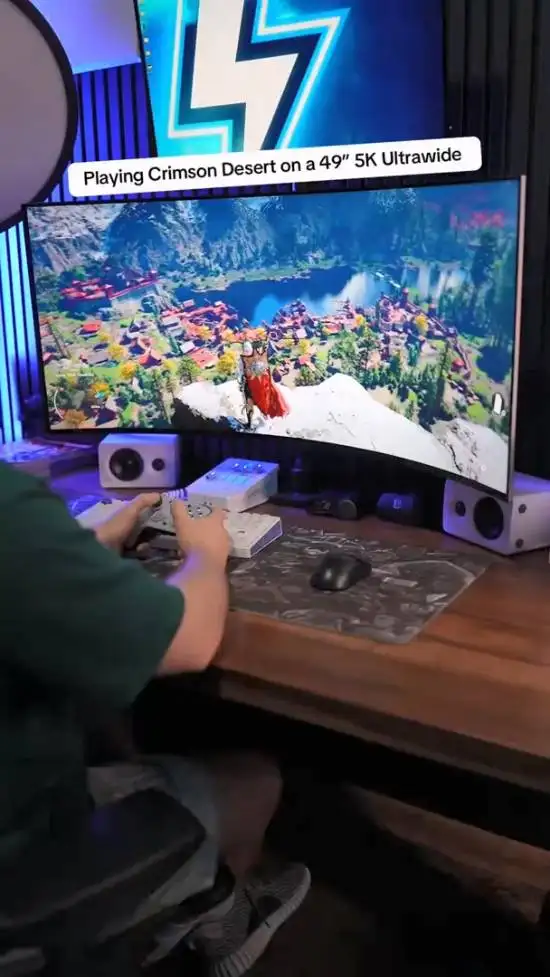
Some players praised **Crimson Desert**'s open world after playing for over 100 hours.
















On Saturday afternoon I finally booted up my noisy old PC. The fans spun twice and the logo for Crimson Desert popped up on the screen. To be honest, as an office worker who can only really sit down on weekends, starting a new AAA game feels a bit like ordering a 100-yuan-plus takeaway: before I even take the first bite, I’m already calculating whether it’s worth sacrificing half a day of rest.

Lately Crimson Desert has been hyped to the moon by all kinds of media. Foreign outlets are even putting it alongside Red Dead Redemption 2 and The Witcher 3: Wild Hunt, calling it “one of the biggest and most detailed games of this generation.” That level of comparison is basically like a colleague who just passed their probation being compared to the department veteran in performance reviews—there’s definitely pressure. But from the perspective of someone like me, chronically short on time, no matter how mind-blowing the visual details are, if it expects me to spend an entire evening doing marathon traversal and checklist-style quests, it still can’t compete with a good night’s sleep in terms of value.
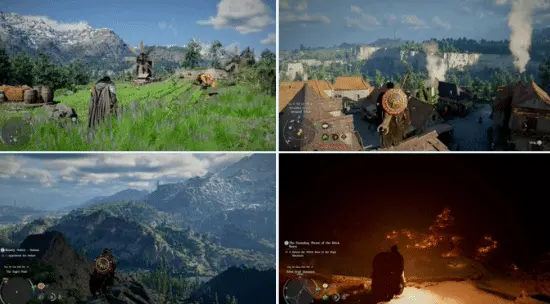
The thing people talk about most with Crimson Desert right now is that pile of “detail freak” level designs. The most viral clip online is a time-lapse of an NPC sculpting a marble statue from start to finish, going through the entire process with full animation—he looks more serious than my boss making a PowerPoint. Players have also discovered that NPCs build houses from scratch, there’s a dynamic ecosystem in the wild where animals forage and hunt each other, and almost every character has their own daily schedule, going out early and coming back late in a full routine. That said, this whole “NPCs are really living their lives” setup actually appeared as early as some open-world games from the 2000s.

It immediately brings to mind names like The Elder Scrolls V: Skyrim, Fallout 4, and Starfield. Reports also mention that Bethesda has long been very seasoned at this “stacking details to build a world” approach, stuffing little stories and secrets into the corners of the map as weekend treasure hunts for players who have time to dig. But for commuters like us, if an NPC spends two hours building a house from the foundation to the roof and I only play for an hour, I might not even see half of the foundation work. Details are great, but sometimes it feels like extra side dishes prepared for those who can play five or six hours a day, rather than a main course designed for “one run on the subway + half a day on the weekend” players like me.
From an industry perspective though, the fact that new titles like Crimson Desert, Kingdom Come: Deliverance 2, and Dragon’s Dogma 2 are now considered capable of going toe-to-toe with Rockstar and Bethesda is pretty interesting. It suggests that future open-world games may increasingly compete on “immersion” and “hidden details.” Instead of who has the biggest map, it’ll be about who can cram more stories onto a single roadside. For players who love digging deep, this is certainly a good thing. In terms of value, it’s like a buffet with more and more dishes on the counter—the key is whether you have the time to go back and fill your plate again and again.

Which raises the question: if you’re like me, an office worker who basically only scrolls on their phone on weekdays and has just a few hours in front of the PC on weekends, is Crimson Desert worth hopping on right now? Based on the “time tax” lessons I’ve learned from AAA games over the past few years, here’s how I’d put it: if you’re a die-hard fan of slow-burn open worlds like Red Dead Redemption 2 and The Witcher 3, and you’re happy to spend an entire weekend watching NPCs work while casually doing side quests, the game’s time return-on-investment is pretty high. It’s like buying a main course that comes with a bunch of side dishes. If you lean more towards “play something quick after work, feel good, then go to bed,” or you still have a pile of half-finished games in your backlog, it might be better to wait and see—hold off until discounts hit or updates and optimizations settle in before letting it come steal your weekends.
For us office workers, the biggest fear with games isn’t that they’re not blockbuster enough, but that after playing for ages, when you shut down the PC you realize those hours would have been better spent sleeping. Based on what’s been revealed so far, Crimson Desert’s level of detail is indeed impressive and deserves to sit at the same table as those big names. But whether it can turn all that detail into an experience that’s friendly to “time-poor” players is something you can only judge by trying it yourself. If you’ve already jumped in, take a moment this weekend to see whether, in that one hour you manage to sit down, you run into one or two little details that make you genuinely smile. If you do, that’s probably worth at least the price of a milk tea.
Commentaires 0
Votre avis nous intéresse
Bienvenue ! Partagez votre avis sur ce jeu — une surprise attend peut-être la première personne à commenter.
Aucun commentaire pour l'instant. Soyez le premier.