
Actualité
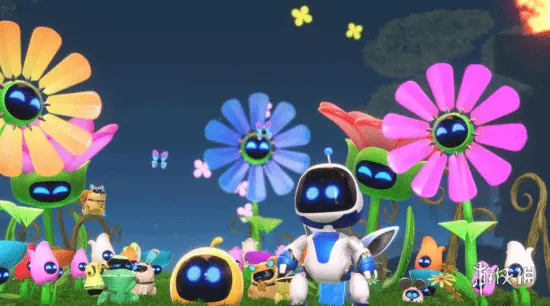
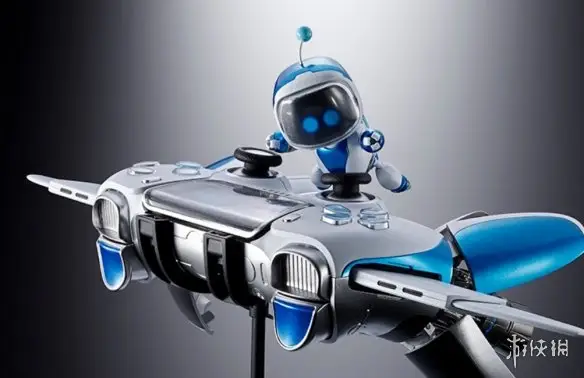
Astro Bot Takes Over Summer Trains as the PS Family Hits the Beach
PlayStation Japan’s summer artwork by ryosuketarou puts Astro Bot on a beach-bound train with PlaySt
















Kodansha has unveiled Mission: SPACE COMIC ahead of the final volume of Space Brothers, framing the send-off as a technical experiment. According to the announced plan, creator Chuya Koyama will draw in CLIP STUDIO PAINT, send his brushstroke data to the International Space Station, and have an onboard robotic arm recreate those lines in orbit. The finished work is scheduled to be revealed on July 22, 2026. The announcement has already drawn attention from both manga fans and space-tech observers.

What separates this from a typical promotional stunt is not a physical manuscript going to space. It is the act of drawing itself, translated into data that can be transmitted, reproduced, and verified. Under the current plan, Koyama will keep working with CLIP STUDIO PAINT, one of his long-time creative tools, before that stroke data is relayed to the station and reproduced by a robotic arm. That is a sensible setup because it does not force a novelty tool into the process just for show; it preserves the artist's usual workflow and places the technical challenge in remote execution.
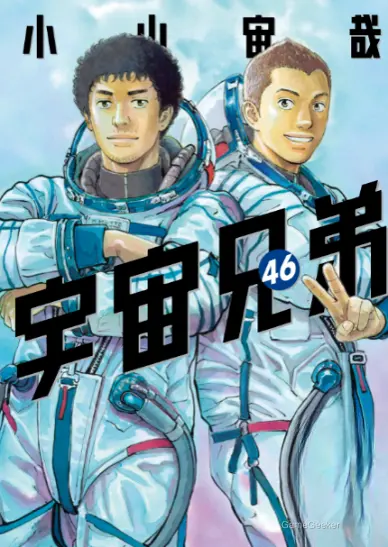
Just as important, this is not a one-brand tie-in. It is a joint project involving Kodansha, multiple companies, and infrastructure provided by JAXA. The project will operate through the paid utilization program for the ISS Japanese Experiment Module Kibo, using the module's onboard robotic arm to verify remote drawing technology in an extraterrestrial environment. That is the part most worth watching. Space is the hook, but the real value depends on whether the test produces something reusable rather than an expensive piece of advertising.
Nearly 19 years into its serialization, Space Brothers is approaching its conclusion as a space-themed work loved by readers around the world. Using the final volume to stage a crossover between manga and aerospace technology gives the project clear ceremonial weight. Still, symbolism only carries a project so far. If that sense of occasion does not convert into a usable technical result, the whole exercise risks becoming little more than a polished publicity image. The encouraging part is that the stated goal is concrete: the project is explicitly meant to test remote drawing in an extraterrestrial environment.
The reaction has predictably split along two lines. One response is to the thematic fit, because a space manga meeting a real space station is exactly the kind of overlap fans want from a project like this. The other is more interested in execution, asking how much of Koyama's signature line quality a robotic arm in orbit can actually preserve. Both readings are fair, and the second one is probably the more important of the two.
Commentaires 0
Votre avis nous intéresse
Bienvenue ! Partagez votre avis sur ce jeu — une surprise attend peut-être la première personne à commenter.
Aucun commentaire pour l'instant. Soyez le premier.