Actualité
Genshin Impact Isn't on Steam, So Who Was Tim Sweeney Really Taking Aim At?
Tim Sweeney says Steam’s closed platform approach cost it new players from Fortnite, Genshin Impact,
















In terms of feel, the PC platform splits into two kinds: with Steam and without Steam. The former, like Counter-Strike 2, has shooting feedback that’s crisp and decisive; the latter has such high input latency it feels like you’re punching through a net—no matter how flashy the moves look, it’s hard to get excited.
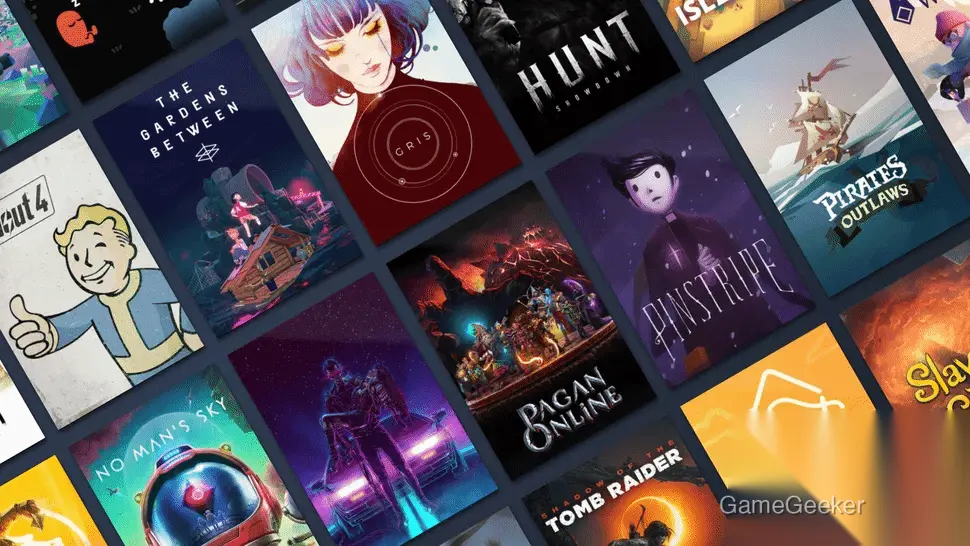
Let’s start with an old story many newcomers don’t know. Before Valve turned Steam into the main hub for PC digital distribution, brick-and-mortar retailer GameStop tried to build a similar platform back in the 2000s. But back then, shelf space had all the say, and the distribution model was like adding ten-plus seconds of startup to every move: unintuitive and clunky, so naturally you couldn’t string any combos. On Steam’s side, Gabe Newell left Microsoft, had observed how DOOM spread, and realized early on that games shouldn’t be sold to players like traditional, rigid software. That insight basically rewrote the move list.
Now for the key details behind Steam’s win. Valve didn’t just do “I’ll give you a store, you browse on your own,” but started from community tools around Counter-Strike, gradually stacking it into a “store + community + ecosystem” combo move. Most of the games on the platform aren’t made by Valve at all, yet all kinds of titles still orbit a single center, like a fighting gym providing a unified stage for all competitors. Only then can you have a true multi‑player brawl, instead of a few publishers training alone in practice mode behind closed doors.

Then comes the most critical punch: the barrier to entry. Steam pushed the cost for developers to get on the platform down to about $100, which is basically slashing the character unlock fee to the floor, letting more indie studios qualify to step into the ring. The result is classic snowballing: more games bring more players, the platform’s popularity keeps climbing, and this positive loop is like maintaining pressure in a winning match so the opponent can’t get up. Once it starts rolling, it’s very hard for rivals to turn the game around. According to some people in the industry, this open strategy even saved quite a few indie teams—studios that might have shut down outright can now at least scrape by on the platform and keep the team alive.
Meanwhile, it’s not like other companies never threw a punch. Under EA, BioWare once sold titles like The Witcher, and they had a great position—fully capable of building their own digital distribution up to something on the level of Steam. Amazon also tried launching services to challenge Steam’s status, but they all felt like unfinished characters with incomplete move sets: missing either the community or the traffic. In the end they barely made a splash in the market and hardly took any player time. For indie developers, when it comes to exposure and discoverability today, most still prioritize Steam, and that advantage is very concrete.
One last point, about “purchase advice” and trends from the player’s perspective. These days, when I choose where to buy PC games, my priorities are: for multiplayer competitive titles and frequently updated games like Counter-Strike 2, they have to be on Steam—the community size and patch responsiveness are like having server tickrate locked above 120 FPS. If a big single‑player game is temporarily exclusive to another platform, I treat it as being forced onto a different map; if I can wait for a discount, I’ll still eventually pull it back into my Steam library for unified management. As for the poll question “Who else can break Steam’s dominance?”, given the current situation, any new platform that wants to challenge Steam not only has to give players better prices and services, but also offer developers lower barriers and stronger communities. If you’re missing any one of these three, all you’re throwing is a big flashy whiff, nowhere near enough to truly reshape the landscape.

Commentaires 0
Votre avis nous intéresse
Bienvenue ! Partagez votre avis sur ce jeu — une surprise attend peut-être la première personne à commenter.
Aucun commentaire pour l'instant. Soyez le premier.