
Actualité
Bunny Garden 2 Adds Twin-Tail Lolita Roro in New Update
Bunny Garden 2's new 10-second trailer shows a twin-tailed lolita character in a sweet-yet-cutting promo. With six heroi
















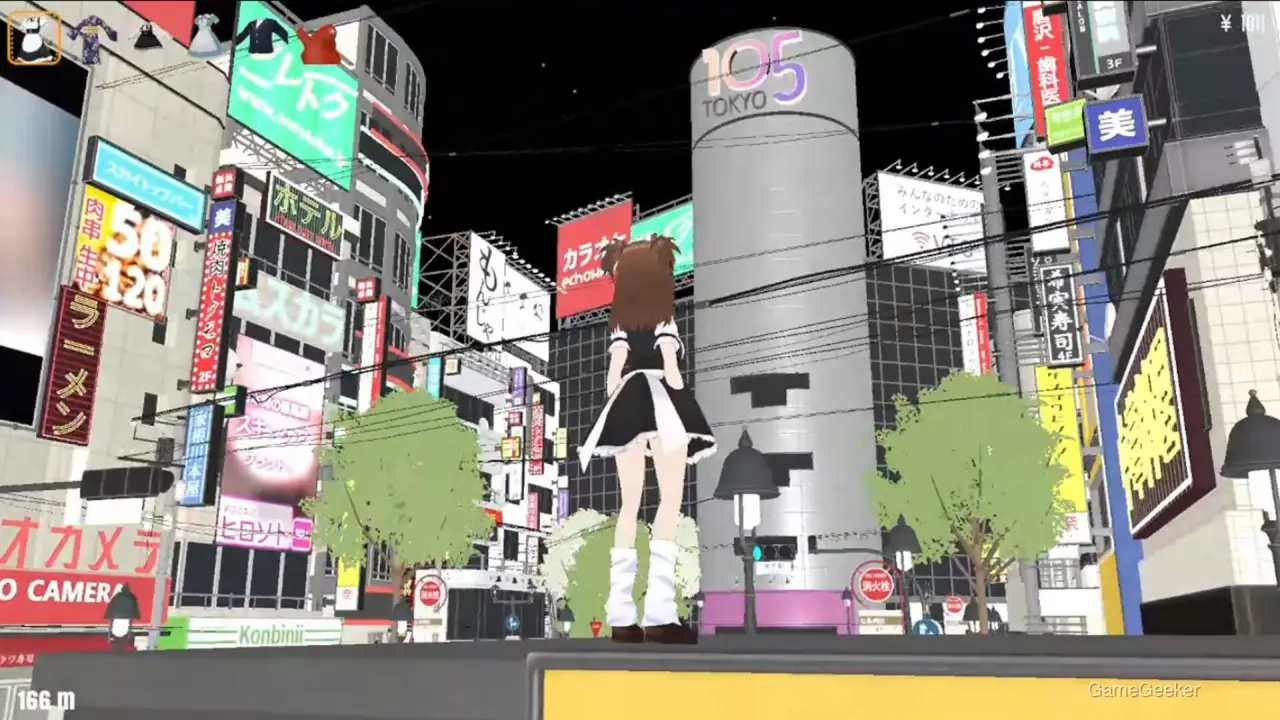
According to Automaton, Japanese indie developer Daikichi_EMP had planned to launch a free Steam demo for WIRED TOKYO 2007 on April 30, but it was delayed after review flagged it for “possible third-party intellectual property infringement.” As of a May 2 update, he had resubmitted the build and was still waiting for Steam’s response.
What makes the case unsettling is not just that the game was held up in review, but why. The material Steam flagged was drawn from Daikichi_EMP’s own earlier tabletop works. He said WIRED TOKYO 2007 uses no third-party IP, and that the board games Second Best and DinoStone mentioned in the game were both created by him and remain under his copyright. Even so, the system and review process still treated them as suspected infringement.

The more troubling part is that Daikichi_EMP says he already submitted proof, including evidence that those tabletop works were published from the same account. Steam still did not change its position, arguing that the content was “similar to existing works.” That wording leaves the real standard unclear. The platform then asked for stronger legal documentation, such as an IP licensing agreement or a legal opinion issued by a lawyer, and stated that without those safeguards, “we will not release your application.”

That is where the problem becomes larger than one delayed demo. Big companies can absorb legal review as a routine cost, but for many indie developers, even marketing budgets are tight, let alone paying a lawyer before releasing a free trial version. In that context, this stops looking like WIRED TOKYO 2007 simply having bad luck and starts looking like a broader pressure point in digital storefront review systems: the rules exist, but the burden of proof can be heavy enough to crush smaller teams first.

From an industry perspective, it is not surprising that Steam has become stricter about infringement. The larger the platform gets, the more it has to worry about legal risk from anything that slips through. But if a developer can show that a work is their own and still faces demands for documents many small and mid-sized creators cannot realistically afford, then the process risks lumping together cases that should be stopped and cases that should not. For self-owned IP referenced across multiple works, something that should be a normal continuation of an indie creator’s catalog is instead being treated as a risk item.
For players, the short-term impact is simple: anyone hoping to try WIRED TOKYO 2007 will have to keep waiting for the outcome of Daikichi_EMP’s talks with Steam. For other developers, the case is also a warning. If a new project references your own previously released board games, comics, or small games, it is worth organizing your copyright chain, release dates, and account ownership records in advance instead of scrambling only after a review block arrives. According to the May 2 update, Daikichi_EMP has already tried resubmitting the game and also wrote and signed his own authorization document declaring that he holds the rights to use works including Second Best and DinoStone. He is still waiting for a further response from Steam. The most alarming part here is not that Steam is checking for infringement. It is that when creators must pay a steep price just to prove “this is mine,” the most fragile part of indie game development is already under strain.





Commentaires 0
Votre avis nous intéresse
Participez à la discussion et partagez votre avis sur ce jeu.
Aucun commentaire pour l’instant. Partagez votre avis.