
Actualité
Grab two free PC games before Epic's clock runs out, while Undertale and Divinity: Original Sin 2 are 75% off
Astral Ascent and LUFTRAUSERS are free to keep today, while two of PC gaming's most celebrated RPGs cost less than $14 c















The Blood of Dawnwalker now has a firm launch date: September 3. At Summer Game Fest 2026, Bandai Namco and Rebel Wolves debuted a new gameplay showcase for the open-world dark fantasy action RPG led by former The Witcher 3 director Konrad Tomaszkiewicz. The showing also kicked off fresh discussion about the game’s structure, especially after players began pointing to what appears to be a hidden modern timeline layered beneath its main story.
The strongest hook is Coen’s setup. He is a half-vampire transformed into a Dawnwalker, and he has 30 days to save his family. That countdown feels like more than a mechanical timer. It gives the story personal pressure: time is running out, the family bond is under strain, and the only option is to keep moving. Compared with a generic save-the-world setup, saving family is more intimate and gives the character drama more room to breathe.

The promising part is that the game does not seem to treat dark fantasy as mere surface dressing. 14th-century Europe, ravaged by war and the Black Death, plus a half-vampire protagonist, is the kind of combination that can easily collapse into misery for misery’s sake. Too often, that just turns into wall-to-wall despair with very little human feeling. If the final game and its writing can make Coen feel like a real person rather than just a machine for suffering, the emotional weight of the story could land much harder.
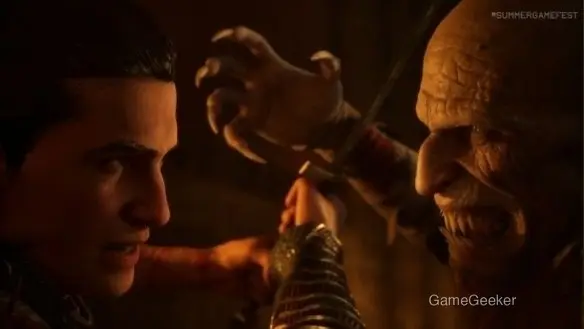
Players have also zeroed in on another possibility: that the narrative hides a modern timeline. That stands out because it suggests a second layer beneath the obvious one: on the surface, a medieval adventure; underneath, perhaps something that reaches far beyond that period. If handled well, that kind of cross-era structure could deepen the mystery, give the world more scale, and make Coen’s fate feel like more than an isolated personal tragedy.
The risk is obvious, though. High-concept storytelling often struggles most when it has to pay off its own ideas. Plenty of games are compelling when they are planting clues, then lose control as the plot advances and let structure swallow the characters’ emotions. A cross-era design like this especially needs restraint. If it exists only to look clever, the relationships at the center can quickly lose warmth. That is why I am still cautious.
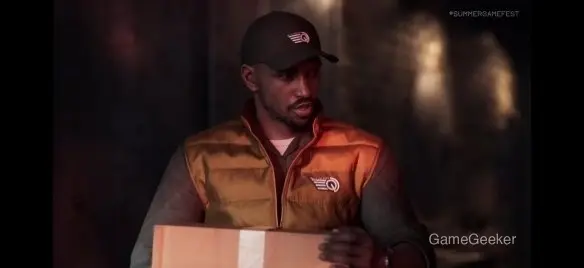
On the gameplay side, the article notes a high-freedom design where killing NPCs will not cause the game to break. That puts real pressure on the cause-and-effect systems traditional RPGs usually guard closely. For players who care about immersion, that kind of freedom is appealing because choices stop feeling like a few tidy prewritten branches. But the more freedom a game offers, the more pressure it puts on the writing and quest design. Emotional weight cannot be carried by systems alone.

If you like the character-driven, choice-heavy side of The Witcher 3, The Blood of Dawnwalker should be on your radar. The two things to watch most closely at launch are whether the 30-day limit compresses the rhythm of exploration, and whether the modern timeline genuinely serves the characters rather than distracting from them. For me, the most important test for any dark fantasy RPG is never how bleak it looks. It is whether the characters’ pain and love actually land.




Commentaires 0
Votre avis nous intéresse
Participez à la discussion et partagez votre avis sur ce jeu.
Aucun commentaire pour l’instant. Partagez votre avis.