Actualité
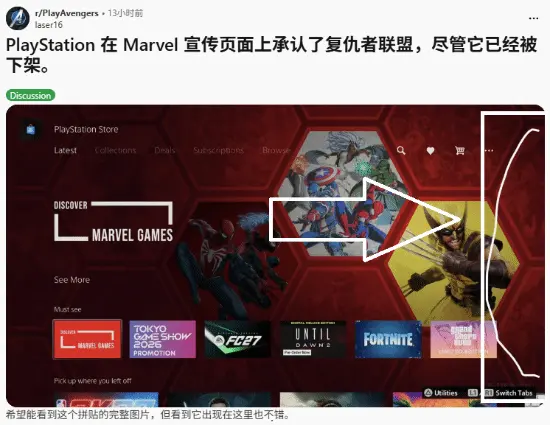
After 3 Years Offline, Marvel's Avengers Accidentally Appears on a PS Collection Cover, Sparking Debate
September 12 saw Marvel’s Avengers on a PS Store Marvel bundle cover—likely oversight—three years offline. Marvel’s Wolv















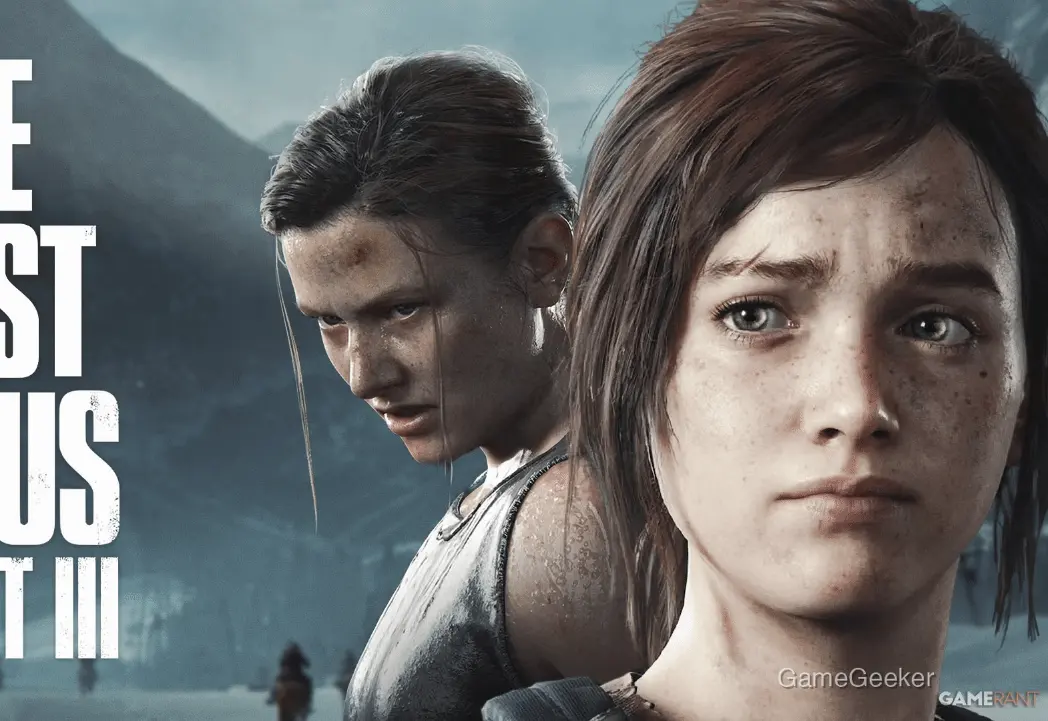
Open the door and start with the point that stunned me: this new The Last of Us multiplayer title was said internally to be about 80% complete, yet it was outright halted before its formal reveal. As someone who hangs out in Steam’s indie section year-round, I’m much more familiar with three-person teams somehow surviving to launch. You rarely see this kind of “cut-your-losses-at-a-massive-cost” move, especially at a top-tier studio like Naughty Dog. It’s both bold and brutal.

As for the “cause of death” of this project, the timeline is actually pretty clear. Around 2020, when the pandemic had just begun, Sony started pushing this so‑called “live service transformation,” hoping online multiplayer could capture that wave of social demand under home quarantine. This The Last of Us multiplayer experiment was given the green light in that context. It’s a bit like asking a team that’s good at making Gris‑style single‑player emotional journeys to suddenly build a Destiny 2‑type long‑term live service. The mismatch in tone was there from day one.
What’s interesting is that as offline life gradually recovered over the past few years, players’ excitement about pure online social experiences cooled quickly, and Sony’s investment also slowly pulled back. In the end, Naughty Dog was faced with a very straightforward multiple‑choice question: either keep pouring resources into getting this experimental multiplayer project across the finish line, or pull everyone over to work on the next core single‑player narrative game led by Neil Druckmann. Developers later recalled that the internal conclusion basically boiled down to one sentence: either make this, or make the next “proper Naughty Dog” game. As everyone can see, the latter won.
From the perspective of a player who prefers small, creative games, my feelings about this trade‑off are mixed. On one hand, I really do prefer Naughty Dog to focus on single‑player narrative. They’ve always been more like a team that could make the emotional gut punches and character work of Celeste or Undertale, rather than a studio adept at endlessly churning out cosmetics and battle passes for an online title. Live‑service multiplayer needs long‑term operations, continuous updates, and a carefully maintained numbers ecosystem. That entire playbook is almost the exact opposite of their traditional strengths. Even if the project had survived, it could easily have ended up as a technically polished but soulless “strong‑start‑weak‑finish version of Apex.”
Unfortunately, when former game director Vinit Agarwal later came out and said he’d spent around seven years on this multiplayer experiment and was only informed of its cancellation the day before the public announcement, that sense of whiplash felt really harsh. You can imagine what it’s like: it’s as if you’ve spent seven years polishing a pixel narrative game, planned out every ending and Easter egg, only to be told it will never go live on Steam and will just gather dust in some build archive. This isn’t a normal product being phased out; it’s more like the entire creative cycle being deleted with one keystroke, and you can’t help but feel sorry for the team.
In terms of broader trends, this flop is a bit like a wake‑up call to big studios, reminding them of something the indie scene has long understood: creativity has to match the team’s DNA; you don’t just rush into whatever lane happens to be hot. Sony’s logic in chasing live‑service games at the peak of the pandemic wasn’t really any smarter than all those indie teams that once tried to make “the next Genshin Impact.” Once the wind shifts, what’s left is a pile of half‑finished projects and a bunch of resources forced to pivot. The good news is that Naughty Dog is now refocusing on single‑player narrative, and is even investing some resources into entirely new original IP like Star Wars: Jedi Survivor‑style projects such as “Starry Heretic Prophet” (Starry Heretic Prophet). That sounds more like returning to the kind of terrain they’re good at, instead of contorting themselves to fit someone else’s lane.
If I were to offer some “purchase advice” from a player’s standpoint, my attitude would be a bit like how I treat those hybrid indie games where you’re doing parkour by day and playing music by night: for this multiplayer project that’s already been terminated in utero, just treat it as an unfinished branch in the world’s timeline; there’s no need to dwell on it. What’s truly worth watching is whether Naughty Dog’s next single‑player game can push the boundaries of narrative one step further, and maybe learn more on the systems side from the kind of gameplay‑narrative integration you see in Hades or Inscryption. That’s the kind of leap we indie‑leaning players are more eager to see. If the The Last of Us universe ever takes another shot at multiplayer, I’d much rather see it as a small, tightly crafted standalone expansion than as another high‑budget, heavy‑operations big‑studio gamble.



Commentaires 0
Votre avis nous intéresse
Participez à la discussion et partagez votre avis sur ce jeu.
Aucun commentaire pour l’instant. Partagez votre avis.