

























Opening
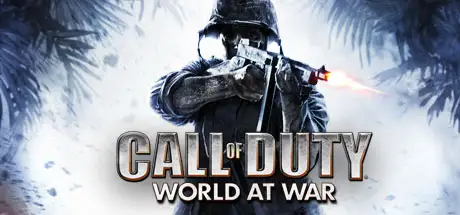
Call of Duty: World at War is a grim, brutal WWII shooter, and what it nails is the mood. The campaign is nasty, intense, and absolutely worth your time if you want something darker than the usual war-game hype.
It’s not trying to be clean or heroic. It wants you to feel how ugly this war gets — and it almost never blinks.
And honestly, the thing people still remember most isn’t even the campaign. It’s the bonus Zombies map that pops up when you finish it, Nacht der Untoten, because that one little extra turned into the whole Call of Duty Zombies universe. That’s the weird magic here: the game’s biggest legacy comes from a side dish, not the main meal.
That said, the main course still hits. The Pacific jungle feels like ambush horror, the Eastern Front turns into a brutal urban grinder, and the whole thing never lets war feel sanitized. Flamethrowers, dismemberment, executed POWs — this is probably the bleakest, most anti-war Call of Duty ever made. Gary Oldman’s Reznov helps carry that Soviet revenge arc too, and he’s a huge part of why people still talk about this game.
But if you’re coming in for slick modern multiplayer or the freshest feel, this isn’t the one. The official online scene is basically dead now, and a lot of the long-term life came from PC mod tools and custom Zombies maps. So yeah, if you want the series’ most depressing WWII campaign or the origin point of Nazi Zombies, this is the one to dig up.
Story | 8.5/10
Story: 8.5/10Reznov Turns the Eastern Front Into a Revenge Story

The best thing this campaign does is make the Eastern Front feel personal fast. Reznov isn’t just some loud squadmate shouting orders in the background. He’s the spine of the whole Soviet run, dragging Petrenko through ruin after ruin while telling this ugly, bitter revenge story about Amsel. That’s the hook, and it works because the game doesn’t soften him up or turn the war into some clean heroic march. It’s angry. It’s mean. And Reznov sells that mood every time he opens his mouth.
What really sticks is how little this game cares about giving you extra fluff. There’s not much side-story clutter here, no big branching drama tree, no fake “your choices matter” nonsense. It’s a straight campaign, but the mission-to-mission rhythm has enough bite that it doesn’t feel empty. You go from Stalingrad’s wreckage to the final push into Berlin, and that run has real weight because the game keeps tightening the screws instead of letting you breathe. By the time you’re planting the flag on the Reichstag, it feels ceremonial in the best way. Like the campaign finally cashing the check it’s been writing the whole time.
And compared with Call of Duty 4: Modern Warfare, this story is way less interested in swagger. Modern Warfare wants to feel sharp and cool. World at War wants to feel heavy. That’s the difference. It’s not trying to be the prettier or flashier game. It’s trying to leave you a little rattled.
The Pacific Missions Hit Different Because They’re Dirty and Mean

The Pacific half brings a totally different kind of tension, and honestly, it’s nastier in a good way. The Japanese ambushes are brutal because they keep turning every quiet stretch into a trap. One second you’re moving through jungle cover, the next you’re getting hit with a fake surrender and a live explosive in your face. That stuff is memorable because it feels cruel, not cinematic. The game isn’t trying to make the battlefield look cool. It’s trying to make you nervous.
That’s also where the campaign’s best little character beat comes from: the pressure of having to react when Roebuck or Polonsky is on the line. It’s not a giant choice system, and that’s fine. World at War doesn’t build itself around branching paths. But when it does give you a split-second decision, it lands because the game has spent the whole level making you care about who’s beside you. That’s way more effective than a menu full of fake morality. You don’t feel like you’re shaping a story system. You feel like you’re trying not to let somebody die in the middle of total chaos.
And that chaos is the point. The Pacific isn’t just another theater here. It’s a reminder that this game is obsessed with how war blindsides people. It’s ugly, it’s abrupt, and it never lets the player settle into comfort.
This Is the Bleakest Call of Duty Story for a Reason

If you want the blunt version, World at War is the series’ most depressing WWII story. Not the biggest, not the slickest, but definitely the bleakest. It leans into flamethrowers, dismemberment, and executed POWs in a way the earlier games just didn’t. This is the first Call of Duty that really stares at the blood and says, no, you don’t get to look away. That matters because it changes the tone of the whole campaign. War here isn’t glorious. It’s vile.
That’s why the game’s best moments aren’t about victory in the happy sense. They’re about endurance. You feel the anti-war angle in the way it frames the Soviet push, in the way it keeps showing the cost of every advance, and in the way the final Berlin sequence still feels grim even when it gives you that huge Reichstag flag-raising payoff. It earns the spectacle by making you sit through the misery first. A lot of shooters want to make you feel powerful. This one is more interested in making you feel the wreckage under your boots.
And that’s also why Reznov works so well. He’s not some charming action hero. He’s a scarred revenge engine, and Gary Oldman gives him enough weight that he becomes the emotional glue for the Eastern Front half of the game. The whole story just keeps circling back to the same idea: this war doesn’t cleanse anything. It only leaves stains.
Audio | 8.5/10
Audio: 8.5/10Reznov, Roebuck, and the Sound of Men Barely Holding It Together

Here’s the thing: World at War doesn’t just sound “big.” It sounds angry. And a huge part of that is the voice work. Gary Oldman as Sergeant Reznov is doing a lot of heavy lifting here, and I mean that in the best way. Reznov could’ve been just another shouting war-game officer, barking orders while explosions go off behind him. Instead, Oldman gives him this cracked, furious, almost mythic energy. You believe this guy has been burned by the war so badly that revenge is the only language he has left.
Kiefer Sutherland as Roebuck brings a different kind of grit. He’s not as operatic as Reznov, and that actually helps the Pacific side of the campaign. The jungle missions are already nasty, full of ambushes and panic, so Roebuck’s delivery grounds that whole arc. He sounds tired, tense, and human. Not heroic in a clean poster way. More like a guy trying to keep people alive while the whole island wants them dead.
And that’s why the campaign lands harder than a lot of Call of Duty campaigns that came after it. The performances don’t make war feel cool. They make it feel corrosive. When the game throws executed POWs, flamethrowers, dismemberment, and Soviet revenge in your face, the acting doesn’t soften it. It leans into the ugliness. That’s the trick. World at War is loud, sure, but the best voices in it sound like they’re being eaten alive by the noise.
Sean Murray Makes World War II Feel Heavy, Not Heroic

Sean Murray’s score is one of the big reasons World at War still feels so oppressive. Compared with Call of Duty 4: Modern Warfare, which pushed that sharper modern military sound, this game goes heavier. More World War II orchestra. More dread. More weight in the low end. But it’s not just old-fashioned war music slapped over firefights. Murray mixes that classic wartime sweep with tense electronic pressure, and that blend fits the game’s mood perfectly.
The music knows when to shut up, too. That matters. Some of the strongest moments in World at War come from the way the score moves between near-silence and full collapse. You’ll get these stretches where the battlefield breathes for a second, where the mud, distant gunfire, and incoming chaos do the talking. Then the music surges back in, and suddenly the whole thing feels less like a power fantasy and more like history grinding people into paste.
That’s why I’d give this side of the game an 8.5 out of 10. Not because every track is something you’d hum afterward, because honestly, that’s not the point. The score is doing a job. It’s pushing the anti-war tone. It’s making the Pacific feel like ambush horror and the Eastern Front feel like a brutal march toward Berlin. By the time you hit that ceremonial Reichstag flag-raising, the music isn’t celebrating in a simple way. It feels triumphant, yeah, but also exhausted and grim.
Gunfire, Flames, and Zombies Give the Mix Its Bite

For a 2008 shooter, World at War’s sound effects still have real punch. The rifles crack hard, explosions have that dirty battlefield thump, and the flamethrower is exactly as horrible as it should be. That weapon is not subtle. It screams. It fills the space. And in a campaign this bleak, that matters, because the sound design keeps reminding you that this isn’t a clean little shooting gallery. It’s ugly, close, and nasty.
The environmental audio does a lot of work too. The Pacific missions lean into jungle tension, where the space around you feels dangerous before the shooting even starts. The Eastern Front, on the other hand, has that crushed-city feel: streets, rubble, artillery, men yelling over chaos. These two campaign arcs don’t just look different. They sound different. One is paranoia in the trees. The other is urban war turning into a revenge march.
And then, after the campaign, the game quietly drops you into Nacht der Untoten. That one bonus bunker map basically becomes the seed for the entire Call of Duty Zombies universe. The sound there is simple, but it’s brilliant: boards breaking, windows getting repaired, zombies pressing in, the Mystery Box tempting you again and again. It’s not fancy by today’s standards, but the loop is still weirdly addictive. The official multiplayer may be thin now, and serious online life today depends way more on PC mods and custom Zombies maps, but that audio loop? That thing had teeth from day one.
Visuals | 6.0/10
Graphics: 6/10Fog, Mud, and a War That Looks Like It Hurts

My main take here is simple: this game looks grim on purpose, and that grimness does a lot of the heavy lifting. World at War is not trying to be pretty in a clean, glossy way. It wants you stuck in the mud, half-blinded by fog, getting hammered by rain, with the whole Pacific front feeling like a fever dream. Then it swings over to the Eastern Front and flips the mood again — busted streets, collapsed walls, smoke everywhere, and this ugly, exhausted kind of scale that makes every block feel expensive to take. That contrast is the visual hook. One half is jungle horror, the other is ruined-city warfare, and both of them sell the idea that this war is brutal, not glamorous.
And the game doesn’t shy away from the gore either. The blood, the dismemberment, the burn damage — all of it is there to make the battlefield feel nasty, not cinematic in a polished modern way. You’re not looking at a sterile war movie. You’re looking at a mess. That matters, because it’s part of why the campaign hits so hard even now. The visuals may not be a giant leap over Modern Warfare, but the art direction knows exactly what mood it wants, and it lands that mood fast. Even the UI keeps things blunt and functional, which fits the whole no-nonsense, war-is-hell vibe instead of distracting from it.
IW Engine, Old Tricks, and a UI That Shows Its Age

Here’s the thing: this is basically Modern Warfare’s engine wearing a WWII coat. That’s why the graphics never really feel like a huge technical jump, even back in 2008. Treyarch inherited a lot of the feel wholesale, and because of that, the game can come off looking a little familiar if you’ve already played the previous Call of Duty 4: Modern Warfare. The coverage criticism made sense at the time too: the WWII setting was already worn down by years of shooters, and this one didn’t arrive with a brand-new visual trick to make people forget that. It looks solid, sure, but it doesn’t feel ahead of the curve.
And because it’s an older 2008 release, there’s none of the modern candy people might expect now — no ray tracing, no DLSS, none of that. What you get instead is a straightforward engine doing straightforward work, and honestly, that’s part of why the game’s presentation feels so rooted in its era. The UI matches that attitude. It’s clean enough to read under pressure, but it’s not stylish in a memorable way. It’s there to serve the firefight, not to impress you. So when people remember World at War, they usually remember the atmosphere and the violence, not some dazzling interface or next-gen tech leap.
When One Version Looks Sharper Than Another

This is also a game where the platform you played it on really mattered visually. The PC and home-console versions carry the main look and most of the atmosphere, but the Wii version is a clear step down, and the DS version is basically its own separate handheld take on the whole thing. That spread tells you a lot about how much this game depended on hardware. On stronger systems, the fog, fire, and ruined architecture do the job. On weaker ones, a lot of that texture and impact gets thinned out, and the whole thing loses some of its punch.
That gap matters because World at War leans so hard on presentation to sell its tone. If the Pacific jungle doesn’t feel claustrophobic, or the Eastern Front doesn’t feel like a broken city under siege, the game loses a chunk of what makes it work. The same goes for the UI and readability: when the visuals get stripped back, the whole thing feels more functional and less immersive. So yeah, this is one of those cases where the version you’re playing can change the experience a lot. The best-looking versions still aren’t showpiece tech by modern standards, but they do enough to make the mud, smoke, and blood feel oppressive in the right way.
Combat | 9.0/10
Gameplay: 9/10Nacht der Untoten Is Where Zombies Started Being Zombies

Here’s the big reason this game still matters: you finish the campaign, and then it quietly drops this little bonus map on you, Nacht der Untoten, and that one extra room basically turns into the whole Call of Duty Zombies universe. That’s wild. It wasn’t sold as the main event. It was just there, like a weird afterthought.
But once people got their hands on it, the loop clicked hard. You spawn with the M1911, you start patching windows for points, you scrape together enough cash to buy a wall weapon, and then you gamble on the Mystery Box when things get ugly. That rhythm is the whole hook. It’s simple, tense, and stupidly hard to stop playing.
And compared with something like Left 4 Dead from the same year, the pace is totally different. Left 4 Dead is about movement, rescue, and panic. Nazi Zombies is more of a pressure cooker. You’re not just blasting through waves. You’re managing space, farming points, deciding when to hold, when to open a new area, and when to risk the box. That little economy gives it its own pulse. It’s why this mode didn’t just stick around — it grew legs, then a whole body, then an entire franchise identity. The campaign may be the headline on paper, but this bonus map is the part that changed the conversation.
The Campaign Hits Harder Because It Refuses To Pretty Up War

My take? This is still one of the bleakest, most anti-war campaigns in the series, and that’s what makes it land. Treyarch doesn’t soften anything up. You get flamethrowers, dismemberment, executed POWs, and a whole tone that says war is vile, chaotic, and miserable. It’s not trying to make you feel like a hero in a glossy action movie. It wants you uncomfortable. The Pacific jungle sections lean into ambush horror, while the Eastern Front turns into this brutal urban grind, and those two halves actually complement each other really well. One is all fear and confusion. The other is smash-through-the-rubble desperation.
Reznov is a huge reason it works. Gary Oldman’s performance gives the Soviet revenge arc real weight, and Reznov ends up becoming one of those characters people actually remember across the Black Ops series, not because he’s cool in a clean, polished way, but because he’s intense and damaged and impossible to ignore. The campaign is only about 6 to 8 hours long, so it doesn’t overstay its welcome, but it also means the game is front-loading almost all of its real invention into the Zombies side of the package. Still, the campaign’s ending in Berlin, with that ceremonial Reichstag flag-raising, gives the whole thing a strong, ugly finish. It earns its place. It just isn’t trying to be the same kind of blockbuster as Call of Duty 4: Modern Warfare.
Old Engine, New Toys, and Why Multiplayer Was Already Living on Borrowed Time

This is where the game gets a little uneven, honestly. A lot of the feel and visual DNA comes straight from Modern Warfare’s IW engine, and in 2008 that made sense, but it also meant the main game could feel familiar if you’d just played the previous Call of Duty. The weapon handling, the basic flow, the presentation — it’s all solid, but not exactly a leap forward. What does give this entry some identity is how it layers in progression and co-op on top of that foundation. You’ve got perks, custom classes, and killstreaks carrying over, just repainted for WWII weapons and maps. And yes, the 7-killstreak dogs are still a menace. Tanks also show up in multiplayer, which helps the game feel like a proper war sandbox instead of a straight reskin.
The other important shift is that this is the first mainline Call of Duty to support up to four-player co-op campaign, which is a genuinely good addition even if the game’s official online scene didn’t age well. Today, the multiplayer is basically deserted unless you’re relying on PC mod communities, and that says a lot. This was never the one people kept coming back to for official server play. But the mod tools on PC kept it alive far longer than it had any right to survive, especially through custom Zombies maps. So yeah, the official competitive side faded, but the game still mattered because people built on top of it. That’s the difference here: the main course is familiar, but the side dish became the meal.
Content | 8.5/10
Content: 8.5/10The Campaign Is Short, Nasty, And Done Before It Gets Soft

World at War’s campaign is not long. You’re looking at roughly 6 to 8 hours, which is pretty normal for Call of Duty, but the difference is the mood. This thing doesn’t feel like a victory lap. It feels like getting dragged through mud, fire, and revenge until the game finally lets you breathe. And honestly, that’s why it still hits. A lot of WWII shooters want the big heroic speech. World at War keeps shoving your face into the ugly part.
The Pacific missions lean hard into jungle ambush horror. You’re not just sprinting through clean shooting galleries. You’re getting jumped from grass, tunnels, and trees, and the whole thing has this mean, sweaty tension to it. Then the Soviet side goes the other way: broken cities, street fighting, and Gary Oldman’s Sergeant Reznov basically turning the Eastern Front into one long revenge sermon. Reznov carries those missions. He’s loud, furious, theatrical, and somehow still believable enough that you get why fans latched onto him before he came back across the Black Ops games.
But here’s the catch: as strong as the tone is, the structure is still very familiar. This is built on the Call of Duty 4: Modern Warfare engine, and you can feel that inheritance everywhere. The shooting works, the pacing is sharp, the set pieces do their job, but if you came in expecting World at War to feel as fresh as Modern Warfare did in 2007, no, not really. WWII had already been mined to death by this point. The campaign’s real trick is that it refuses to sanitize the war. Flamethrowers, dismemberment, executed POWs, that brutal Berlin push toward the Reichstag flag-raising — it’s heavy, and it should be. For me, that makes the short runtime easier to forgive. It doesn’t overstay its welcome, and it doesn’t pretend this was clean.
Zombies Turns A Bonus Room Into The Real Reason People Stayed

The wildest thing about World at War is that its most important legacy pops up after you beat the campaign. You finish this bleak, angry WWII story, and then suddenly you’re in Nacht der Untoten, boarding up windows, buying wall weapons, praying the Mystery Box gives you something useful, and realizing, wait, this little bunker is stupidly addictive. That one bonus map basically births the entire Call of Duty Zombies universe. Not as a headline mode. Not as the main sales pitch. Just this weird undead dessert served after the main course.
And the loop is still good. It’s simple in the best way: survive rounds, earn points, repair windows, gamble on the Mystery Box, panic when the room starts collapsing. You don’t need a giant tutorial. You understand it in thirty seconds, and then you’re still playing two hours later because one more round feels possible. That’s the magic. Compared with Call of Duty 4: Modern Warfare, World at War’s main campaign is less revolutionary, sure. Modern Warfare had the cleaner lightning strike. But World at War brings the extra dish. Modern Warfare has one main meal. World at War has the campaign, the multiplayer, co-op, and then Zombies sneaks in and steals the plate.
The DLC matters here too. The three map packs kept feeding Zombies instead of leaving Nacht der Untoten as a one-off novelty. You get Verrückt, Shi No Numa, and Der Riese — or Zombie Asylum, Dead Swamp, and The Giant, if you want the plain-language version. Der Riese is the big one. That map brings in the Pack-a-Punch machine and teleporters, and it becomes one of the most influential Zombies maps from the classic era. You can feel the mode becoming itself there. Not just a survival room anymore, but a blueprint.
The Long Tail Belongs To Co-Op, Mods, And The Undead

Replay value in World at War is weird, because the official multiplayer side is not where I’d tell most people to spend their time today. Back in 2008, sure, it had competitive multiplayer, and it fit the Call of Duty package. But if you’re coming in now expecting lively official online play, that ship has mostly sailed. The official population is thin, and serious online play today depends way more on the PC community than on Activision keeping the lights bright.
What does hold up is the stuff you can play around with. Four-player co-op campaign gives the story missions a second life, even if the actual campaign is still that same 6 to 8 hour run. It’s not suddenly a different game, but yelling through the chaos with friends makes the rough edges easier to enjoy. Then Zombies takes over, because “one more round” is a much stronger replay hook than replaying a linear war mission for the fifth time. That’s where the game’s content stops feeling limited and starts feeling kind of endless.
And on PC, the mod tools are a huge deal. World at War shipped with them, and that one decision helped custom Zombies maps keep this game alive for well over a decade. That’s not nostalgia talking. That’s the actual long-tail ecosystem. Players built maps, shared maps, remixed the formula, and kept finding new ways to squeeze life out of a 2008 shooter. So if you’re here for modern polish, new graphics, and current multiplayer heat, this probably isn’t your stop. But if you want the bleakest anti-war Call of Duty campaign, the origin point of Nazi Zombies, and a PC scene that turned one bonus mode into a whole hobby, World at War still earns that 8.5. It’s uneven. It’s old. But the parts that matter still bite.





Comments 0
Share your game review
Join the discussion and share your review of this game.
No comments yet. Share your thoughts on this review.