























Opening
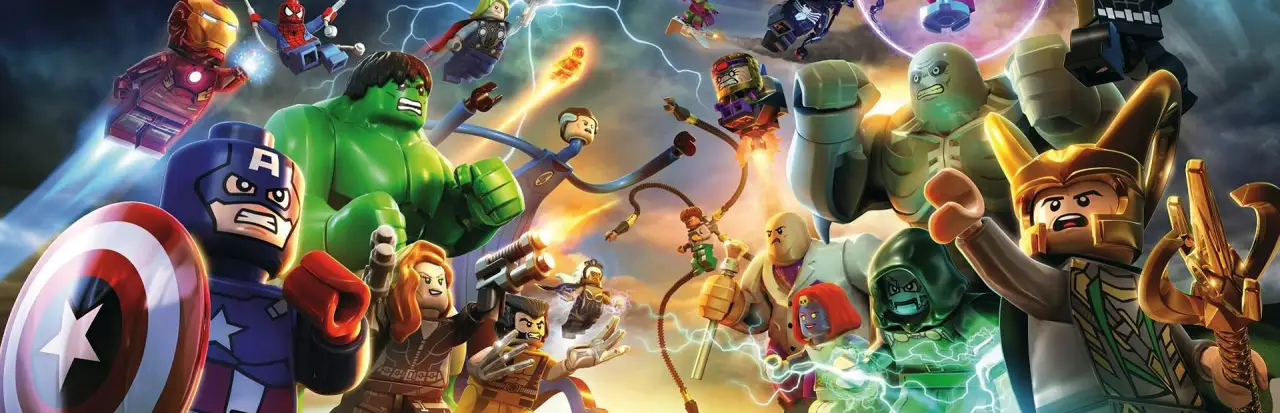
The moment Iron Man, Spider-Man and Wolverine end up standing on the same Lego baseplate, the game has already shown you its best trick. The strongest thing here is not how flashy the action gets. It is the simple fact that so many heroes can share one bright, busy Marvel playground without the whole thing turning into noise. That feeling is a lot like a generous family dinner: not every dish has to dazzle, because the sheer aroma and portion size win you over before you even pick up a fork.
LEGO Marvel Super Heroes is not a title that earns its place through one towering strength. It works more like a well-rehearsed chain menu. You break apart the scenery, you switch characters, you nudge a light puzzle, you collect and unlock, and you have almost certainly tasted a version of this recipe before. The flavor, though, stays remarkably steady. Viewed years after release, that sense of formula reads more clearly than it once did, because time has quietly eaten away at a slice of the novelty. What endures is the completeness and the easygoing charm.
It does not carry the natural nostalgia weight of the Skywalker-era Lego adventures, and it may not stick in memory the way some sibling super-hero entries do. Yet the second you accept that this was always meant to be a fan carnival rather than a reinvention, you slide into its rhythm fast. It is loud in the friendly sense, it is relaxed, and it is quietly addictive in the way that keeps you saying just one more character. This review walks through how that promise holds up across story, audio, graphics, gameplay and sheer content.
Story | 8.0/10
Story: 8/10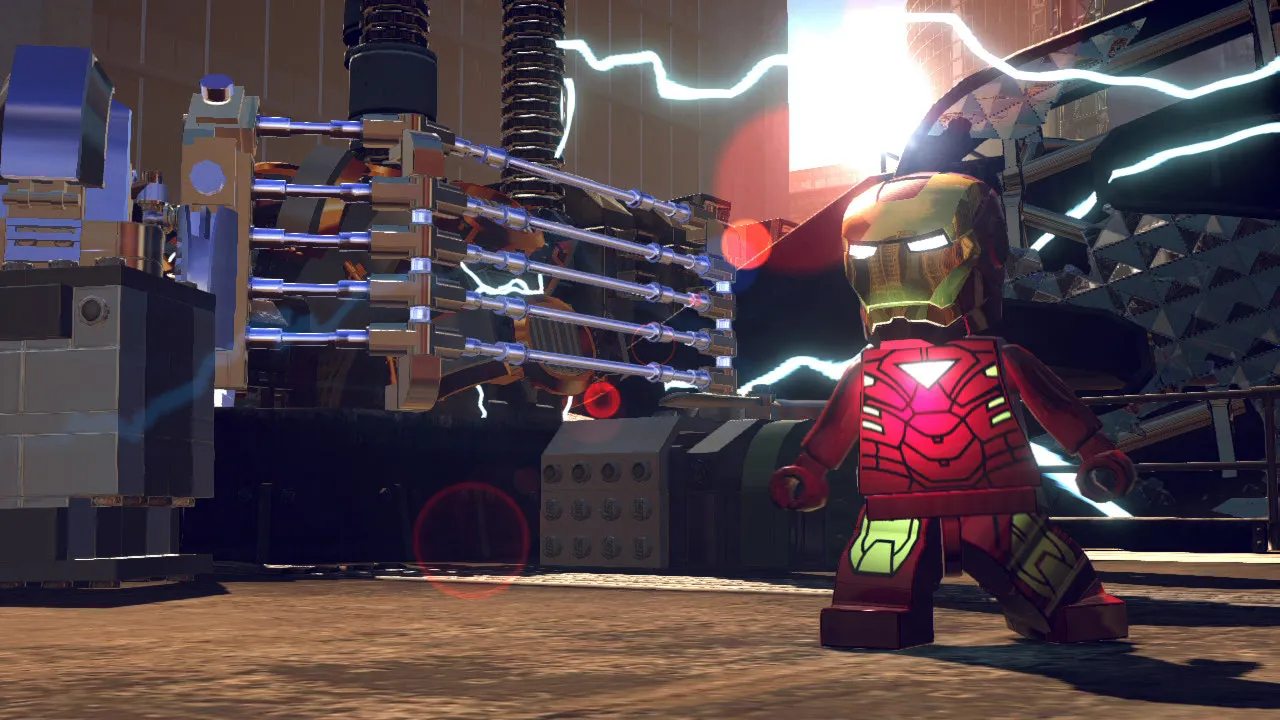
The campaign opens with a scheming double act. Loki and Doctor Doom twist the heroes onto a single throughline, and from there the whole thing becomes a light, lively, briskly paced crossover adventure. This is not a story chasing a sharp edge or a heavy theme. It is a story that knows how to look after the mood of its audience, and that instinct shapes every scene, every transition and every punchline along the way.
What makes the setup work is how little it asks of you up front. There is no dense lore to absorb and no tangle of timelines to untangle. You are simply pointed at a problem big enough to need everyone, and then the game gleans into the fun of watching a sprawling cast pull together. It is breezy by design, and that lightness is a deliberate choice rather than a shortcut.
A crossover that knows how to stage its cast
The clearest virtue of the main line is coherence. You can feel that this entry understands who belongs on screen and how to bring each face in without the seams showing. The roster pulls from the Avengers, the Fantastic Four, the X-Men and the wider Spider-Man cast, and rather than parading names for the sake of it, the script lets these heroes arrive when the moment calls for them.
That restraint matters because so many licensed games treat their characters as little more than costumes. This one resists that trap. When you compare it against franchise peers, including the more polished Skywalker-era Lego adventures, the difference is staging rather than spectacle. Each hero gets a beat that feels earned, and the connective tissue between set pieces keeps the momentum easy and warm. The result is a plot you can follow with a grin instead of a furrowed brow, which is exactly what a family crossover should deliver.
There is craft in the pacing too. The story rarely lingers long enough on any single hero to make the others feel sidelined, and the hand-offs between them carry a sense of forward motion. One scene sets up a gadget, the next pays it off with a different character, and the cumulative effect is a cast that feels like a team rather than a parade. For a game juggling this many famous faces, keeping all of them feeling present is a quiet but real achievement.
Tone, tribute, and the satisfaction of recognition
The second strength is the careful handling of homage. A huge pile of Marvel iconography gets rebuilt in plastic-brick form, and somehow it keeps its identity and its tone intact. The jokes land, the silhouettes read clearly, and the affection for the source material is obvious without tipping into reverence so heavy it stops being fun. That fan-facing satisfaction is real, and it comes from arrangement rather than name-dropping.
You feel it most in the small connective moments: a quip timed to a familiar pose, a cameo that lands a beat before you expect it, a setup that rewards anyone who grew up with the comics or the films. The writing trusts you to recognize these touches, and that trust is what gives the lighthearted plot its surprising staying power. It never reaches for prestige drama, and it never needs to.
The humor is the binding agent that holds the tone together. Jokes arrive frequently but rarely feel forced, and the brick-built slapstick gives even the most iconic heroes room to be playful without ever undercutting their charm. That balance is delicate. Push too hard on the comedy and the characters become parodies; play it too straight and the family appeal evaporates. This entry threads the needle, keeping the affection front and center while still letting the absurdity of plastic super-heroes carry the laughs.
Where the world feels a beat short
It is not without regret. Some genuinely important characters sit this one out, and that absence keeps the world a step away from feeling like a complete Marvel compendium. For anyone steeped in the comics or the cinematic universe, those empty slots are noticeable, and they quietly trim the sense of total coverage you might be hoping for.
The crucial distinction is that the problem lives in completeness, not in whether the story holds together. The narrative still reads cleanly from start to finish. The gaps shave a little off expectation without doing structural damage, so you walk away thinking this is a high-completion Marvel romp rather than a flawed one. It is not prestige-tier storytelling, but as a crossover built to charm a wide audience, it does its job with confidence and a steady, generous hand.
It helps to set expectations correctly going in. If you arrive hoping for a definitive, exhaustive tour of the entire Marvel canon, the missing faces will sting. If you arrive hoping for a warm, well-staged adventure that gives a deep bench of heroes their moment, the experience lands close to ideal. The story understands its own ambitions, and it pursues them with a consistency that many bigger-budget adaptations never quite manage. That self-awareness, more than any single plot beat, is what keeps the whole crossover feeling so easy to enjoy.
Audio | 7.0/10
Audio: 7/10
The value of the audio here is not measured by how big its set-piece moments sound. It is measured by how steadily it holds up the Marvel flavor underneath everything else. The mix never tries to overpower the action, and that modest ambition turns out to be exactly the right call for a game built around constant motion and quick wins.
Voices that carry instant recognition
The voice direction clearly takes its cues from the film versions of these characters, and that is a smart choice. The instant a hero opens their mouth, the recognizability is there. You do not need to be staring at a face to know roughly who just picked up the next line of banter. That clarity is efficient, and it keeps the comedic timing readable even when the screen is busy with bricks, foes and effects.
It also quietly reinforces the crossover fantasy. When the cast pulls from so many corners of the Marvel roster, having each voice land a familiar note does a lot of work to sell the idea that these heroes truly share a world. The performances are not reaching for dramatic weight, and they do not need to. They are reaching for that warm flicker of recognition, and they hit it cleanly almost every time.
There is a practical benefit baked into that approach as well. In a game where you are constantly swapping between heroes, an audible cue for who is currently speaking keeps the comedy and the context flowing without forcing you to glance away from the action. The voices become a kind of shorthand, letting the writing land its jokes even in the busiest moments. It is an understated bit of design, but it smooths the whole experience in ways you only notice when you imagine it done worse.
Feedback sound that completes the lightness
The second layer of credit goes to something the Lego series has always handled well: feedback audio. Collecting a stud, poking at an interactive object, snapping a mechanism into place, each of these tiny moments comes with a sound that completes the sense of brisk, satisfying motion. It is the audio equivalent of a final pinch of seasoning sprinkled over a dish. The portion is small, but it lifts the whole flavor.
This is also where the mechanic-driven cues quietly support the multi-hero relay of the gameplay. Every switch, every triggered gadget, every burst of brick-breaking action lands with a little aural confirmation that keeps the loop feeling responsive. You are always doing something, and the soundtrack of small noises makes sure you always feel rewarded for it.
The cumulative effect is a sense of tactile satisfaction that the visuals alone could not provide. Bricks clatter, studs chime, and mechanisms click into place with a tidy little flourish. None of these sounds are showy, but together they give the moment-to-moment action a pleasing crunch and bounce. It is the audio design equivalent of good packaging on a toy: easy to overlook, yet a meaningful part of why the whole thing feels good to handle. For a collection-driven game, that constant trickle of positive feedback is more important than any single dramatic sting could ever be.
Solid service, not a standalone highlight
The honest ceiling is that the audio mostly stops at serving the experience well. It strengthens the fan fantasy and it smooths out the flow, but it rarely becomes the kind of standalone memory you replay in your head long after the credits. The score is competent and supportive rather than iconic.
So this is a dimension of steady, dependable craft rather than a deciding factor. It does not lose you the experience, and on a quieter day the feedback cues and film-inspired voices can carry a surprising amount of charm on their own. Just do not come expecting an epic that demands the volume cranked. Come expecting a confident supporting performance that always knows its role.
Put another way, the audio is a team player rather than a soloist. It rarely steps into the spotlight, but it makes everything around it work a little better, from the legibility of the cast to the snap of the core loop. In a package built on breadth and approachability, that supportive consistency is exactly the right priority. A flashier, more attention-seeking soundscape might have impressed in a trailer, yet it could easily have fought the relaxed, family-friendly tone the rest of the game works so hard to maintain. This restraint feels intentional, and it pays off across the long haul.
Visuals | 7.5/10
Graphics: 7.5/10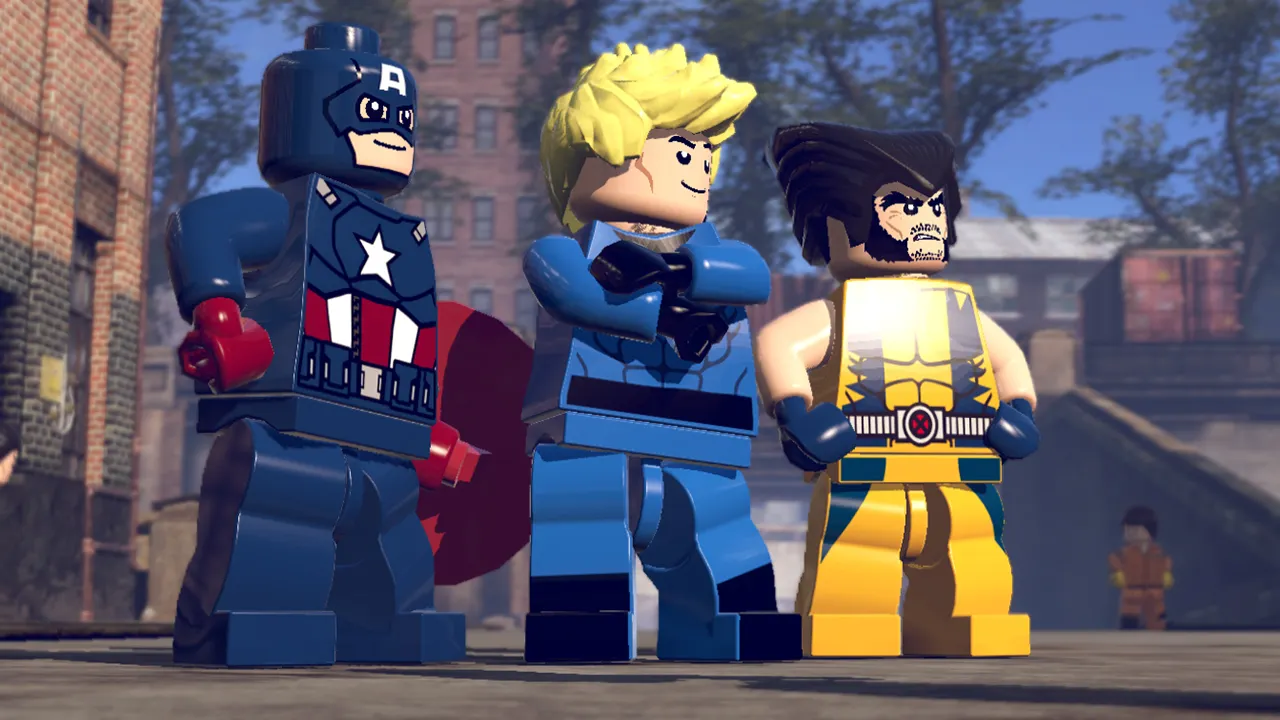
A Lego-ified Marvel universe has a naturally winning look to it. It is vivid, light and cartoonish, yet the characters and environments stay highly legible at a glance. That combination is harder to pull off than it sounds, and it is the foundation everything else here is built on.
Minifigures that never lose their identity
Take Iron Man, Spider-Man and Wolverine and rebuild them as minifigures, and the easy assumption is that they will flatten into a single generic toy aesthetic. They do not. Each one stays instantly recognizable, and that small victory is genuinely important. The proportions change, the materials turn plastic and blocky, but the silhouettes and color signatures survive the translation completely intact.
That legibility pays off constantly during play, when the screen fills with heroes, bricks and effects. You always know who you are controlling and who is standing where. The art direction treats clarity as a feature rather than an afterthought, and the whole roster benefits from it. It is the kind of thoughtful consistency that you only notice when a lesser game gets it wrong.
The translation also keeps each hero's personality intact, not just their look. A character's signature pose, their color palette and even their little idle animations survive the move into brick form, so the cast feels expressive rather than uniform. That expressiveness is part of what sells the comedy too, since a minifigure built with care can sell a joke through body language alone. Across dozens of heroes, maintaining that level of individual identity is a tall order, and the art team clears the bar with room to spare. It is the difference between a roster that feels alive and one that feels like a shelf of figures.
Comic-style detail with real intent
There is a lot of comic-flavored, fan-facing detail woven through the visuals, and it makes the game look like more than a license skinned over a generic engine. You get the sense that the team genuinely wanted to rebuild the Marvel world as a single enormous Lego set, rather than just bolt familiar logos onto a template. That intent shows up in backgrounds, props and the way set pieces are framed.
The overall effect is a bit like watching a blockbuster super-hero film reimagined as a weekend morning cartoon special. The weight drops away, and the approachability rises in its place. Years after release, that stylistic choice ages well in a way photorealism never could. Realistic visuals date quickly. A clear, committed cartoon look keeps far better on the shelf, and this one still reads as crisp and inviting.
The environments carry their share of that charm. City streets, interiors and set-piece arenas are filled with the kind of playful, oversized detail that makes the world feel hand-built rather than mass-produced. Backgrounds are busy enough to reward a wandering eye yet clear enough never to clutter the action, and that balance is harder to strike than it looks. It is precisely this commitment to a consistent, legible toy-box aesthetic that lets the game sidestep the visual aging that afflicts so many of its contemporaries. The look was never chasing realism, so it never had a realism to lose.
Rough edges that chip at the polish
The small blemishes are still here, and it would be dishonest to skip them. Reviewers broadly flagged a handful of technical issues, and while none of them drag the visual tier down on their own, they do nibble at the overall sense of completeness. They are the kind of thing that reminds you this is not a title buffed to a mirror shine in every corner.
The saving grace is that the foundational art direction is simply correct. The problems read like edges that never got fully sanded, not like a flaw baked into the core look. So the visuals land as bright, distinctive and durable, with a few rough patches that you notice without ever feeling like they spoil the show. For a family-facing Marvel adaptation, that is a thoroughly respectable result.
It is worth weighing those blemishes against what they sit beside. A handful of technical hiccups feels minor when the surrounding art is this confident, this colorful and this clearly conceived. The visuals never pretend to be a cutting-edge showcase, and they do not need to. They aim for warmth, clarity and personality, and they deliver all three with the kind of consistency that keeps the experience inviting from the first level to the last collectible. In a genre where charm matters more than raw fidelity, this art direction understands its assignment and executes it with obvious affection for the source material.
Combat | 7.5/10
Gameplay: 7.5/10
Break apart objects, gather pieces, switch heroes, and use each one's signature ability to solve a path forward. Anyone who has touched a Lego game before will read the rhythm within a few minutes. Honestly, none of these ingredients are dazzling on their own. They feel more like a set of well-worn kitchen knives: not flashy, but reliably comfortable in the hand.
Multi-hero switching as a continuous pleasure
The smartest thing this entry does is turn multi-hero co-op into a sustained, level-design-level pleasure rather than a gimmick. It does not simply hand you a big cast and let them stand around. It threads different abilities through the flow so each one takes its turn at being useful. You fly across a gap, then you break apart a mechanism, then you swap to another hero to clear the next obstacle, and the whole thing develops a brisk, relay-race momentum.
That constant rotation is what keeps the pacing light and never lets it stall. You are always moving, and you are always getting feedback for it. Because the puzzles are tuned around which power fits which barrier, swapping characters feels purposeful instead of fiddly. It is a simple loop, but the design wraps it in enough variety of context that it rarely wears thin within a single session.
The clever part is how the abilities slot together like keys and locks without ever becoming a chore to manage. You are rarely left guessing which hero you need, yet you are also rarely on autopilot, because the next obstacle usually calls for a different tool than the last. That gentle, rolling demand for the right power at the right moment is what gives the loop its sense of progress. It scratches a light puzzle-solving itch while still letting you feel powerful, and that combination is exactly what keeps a family audience engaged from one room to the next.
Variety from vehicles, flight and co-op
The flow gets further texture from vehicle and flight segments that diversify the pacing of scene interaction. Lifting into the air or taking the wheel breaks up the ground-level rhythm just often enough to keep things fresh, and these stretches lean on the same satisfying feedback as the core loop. They are not deep systems, but they widen the range of things you do moment to moment.
Local two-player same-screen co-op anchors the family-friendly positioning, and it is arguably the ideal way to experience the game. Splitting the hero-swapping duties across two players turns the relay into a genuine collaboration, and the genre's gentle difficulty means a parent and child or two friends can drop in together without friction. The whole package is built to be shared, and it shines when it is.
Co-op also smooths over the few rough spots a solo player might notice. With a second set of hands, the occasional fiddly puzzle becomes a quick conversation rather than a stumbling block, and the lighthearted fun of two heroes clearing a room together is simply more enjoyable than going it alone. The drop-in, drop-out nature means nobody has to commit to a long session, which suits the relaxed, anytime appeal the game is going for. It is the rare kind of co-op that asks almost nothing of its players while giving back a steady, easy stream of shared laughs.
The predictable shape of a mature template
The shortfall is equally clear: innovation is limited. At its core this is still the mature Lego template, and the more you play, the easier it becomes to guess in advance how the next beat will unfold. That predictability dulls the sense of surprise, especially when you hold it up against the franchise's most celebrated entries, which feel like steadier showcases rather than leaps forward.
Crucially, the issue dents excitement more than playability. Knowing the shape of the next puzzle does not stop it from being pleasant to solve, and the moment-to-moment feel stays smooth and responsive throughout. So the gameplay sits firmly in the worth-a-try tier. It is comfortable, generous and well-paced, just not the place to look for reinvention. If you want a relaxed action-adventure loop you can sink into, it delivers exactly that.
It also helps to remember what the formula is optimizing for. This is not a design that wants to test your reflexes or surprise you with twists. It wants to keep a broad audience, including younger players, comfortably in flow for hours at a time, and on that measure it succeeds completely. The predictability that a veteran might find dull is the very same approachability that makes the game so welcoming to newcomers. Judged against its own goals rather than against more experimental peers, the gameplay holds up as a polished, dependable loop that rarely frustrates and consistently rewards. That is a fair trade, and one the target audience will happily make.
Content | 8.5/10
Content: 8.5/10
The most compelling thing about this game is not its main conflict. It is the quiet pull of just one more character before you stop. The real reason you keep going is that enormous Marvel roster, and the steady drip of reasons to dig a little deeper into it.
A roster you actually get to play
The cast pulls from the Avengers, the Fantastic Four, the X-Men and the wider Spider-Man corner, and it serves up nearly every mainstream face you would hope to see. The key word is play. These are not display pieces. You can control them, switch between them, and slowly collect them, which turns the roster itself into the central draw rather than a bullet point on the box.
The content density is high to match. Locations, enemies, vehicles and easter eggs all push hard in the direction of making fans feel their time is well spent. You can clearly sense that the team understood why players showed up. It was never only about reaching the credits. It was about tipping this Marvel toy box upside down and seeing everything that tumbles out. The collection and unlock feedback is direct and immediate, a bit like opening a blind box. Simple, but effective.
Crucially, unlocking a character is not a hollow reward either. Each new hero brings their own ability set, which means the act of collecting feeds directly back into how you solve later challenges. The roster and the playground reinforce one another, so chasing the next unlock never feels disconnected from the rest of the experience. That tight loop between collecting and playing is the engine that powers the whole package, and it is the reason the breadth of the cast registers as genuine value rather than a padded checklist. You are not just filling a gallery; you are expanding your own toolkit one familiar face at a time.
Manhattan as the long-game stage
Once the main line wraps, the open Manhattan hub becomes the main stage for collection-driven play. It is scattered with side activities, unlockable characters and tucked-away surprises, and it gives the completionist impulse somewhere generous to roam. This is where the just one more loop really takes hold, because there is always another marker, another character, another small reward sitting just within reach.
The breadth of that map is a big part of why the game holds attention long after the story is done. It rewards curiosity at every turn, and it keeps the pace of discovery brisk enough that exploring rarely feels like a chore. For anyone who enjoys mopping up a world to one hundred percent, this is fertile ground, and it stretches the playtime well beyond what the campaign alone would suggest.
What makes the hub work is the constant proximity of the next thing to do. You rarely have to travel far before stumbling onto a fresh activity, a hidden token or a locked character waiting to be earned, and that density of incentives keeps idle wandering productive. Travel itself is part of the fun, since flying or swinging across the rooftops with the right hero is enjoyable on its own terms. The map becomes both the reward and the means of claiming it, and that double duty is a large part of why the post-game stretch holds up so well against the structured levels that precede it.
Familiar formula, broad satisfaction
The honest caveat is that more content does not automatically mean fresher content. The collect-driven loop still builds on the franchise's old formula, and over a long session it can start to feel repetitive. That repetition softens the novelty of the later stretch, though it is far from fatal, because a large share of this genre's joy has always come from the simple urge to grab a little more.
The broad reception backs up the value on offer. A strong Steam standing, sitting around 95 percent positive across a large pile of recommendations, reflects how well the breadth lands with the fan audience it targets. For Marvel devotees, this dimension is the core selling point, and it is the one that most reliably converts curiosity into hours. The formula is familiar, but the sheer abundance keeps the toy box rewarding far longer than you might expect.
That positive consensus is telling because content is precisely where this game stakes its claim. Players are not raving about a single unforgettable level; they are responding to the cumulative pull of a world stuffed with things to find and heroes to earn. The volume creates its own kind of momentum, where each small reward sets up an appetite for the next, and the hours quietly stack up. If any one dimension justifies the time investment for a Marvel fan, it is this one. The breadth is the headline, the depth of the collection is the hook, and together they carry the experience comfortably past the point where a thinner game would have run dry.





Comments 0
Share your game review
Join the discussion and share your review of this game.
No comments yet. Share your thoughts on this review.