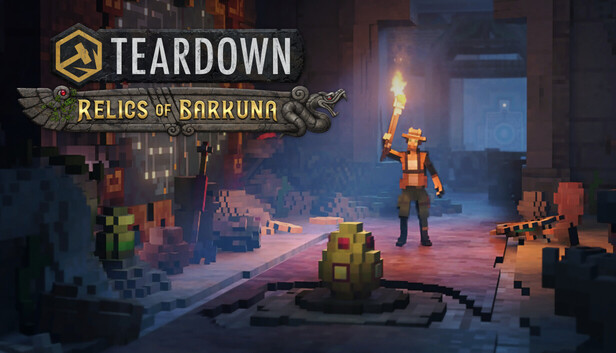
DLCTeardown: Relics of Barkuna~ $7.99→via Steam
Prices cover Steam and 39 authorized stores; only legitimate offers are counted. The chart shows weekly market-wide lows and Steam's official price across the past 36 months.
“An in-house voxel engine turns every block into a tear-apart physics brick, then a 60-second clock makes you treat demolition as a puzzle”
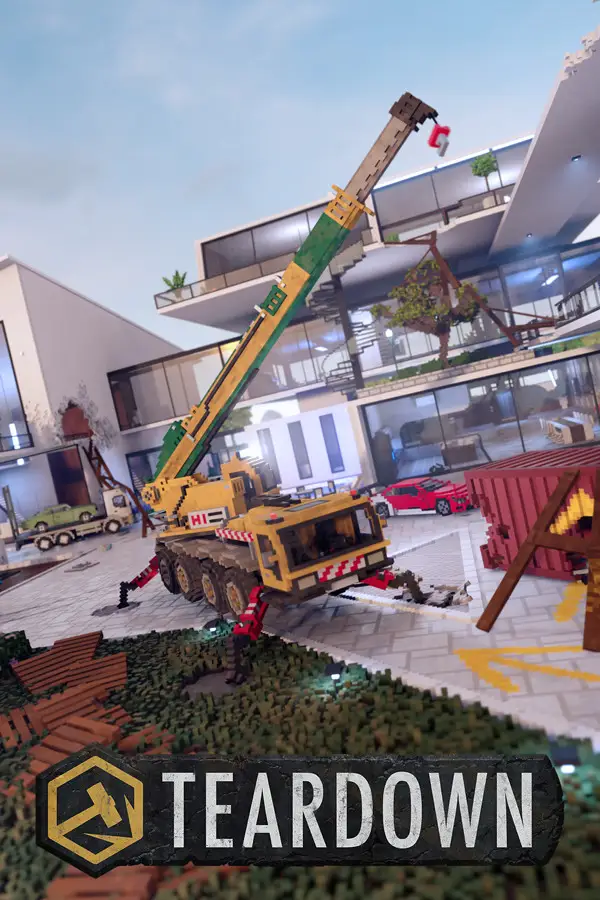
Wind the clock back to the start and Teardown is a textbook case of an indie punching above its weight on raw technical force. It entered early access in 2020, hit 1.0 in 2022, and was built almost entirely from scratch by Dennis Gustafsson alone. On nothing but a bespoke voxel engine and a teardown mechanic honed to a fine point, it sold over a million copies while still in early access; after release it was absorbed by a major group, ported to consoles, folded into a subscription library, and cleared 2.5 million cumulative players by late 2023.
The story bears out a plain truth: a core mechanic distinctive and extreme enough is itself a game's sturdiest moat. However thin the surrounding content, as long as "pulling things apart" is done to a degree nobody can reach in the short term, market and press alike will pay up. This is why it belongs to the "singular-tech vignette" class. It does not chase scale or sweeping narrative; it takes one thing to the limit and, with a piece of tech others can't soon copy, carves its own coordinate into the sandbox genre. In a market increasingly obsessed with size and man-hours, it walks the opposite, narrow road — betting everything on mechanical purity — and proves the road still leads somewhere.
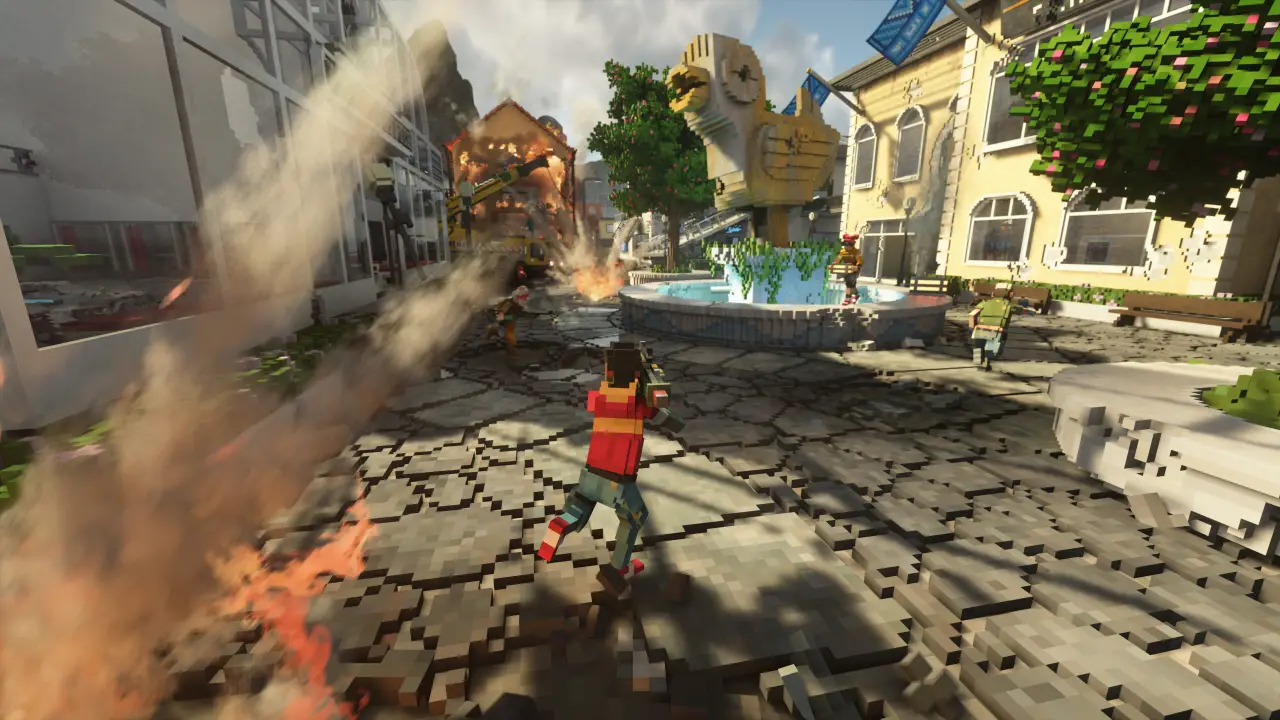
The target audience here is unusually clear. If you take pleasure in treating destruction as a puzzle tool, enjoy grinding away at route optimisation, or already have an appetite for voxel creation and mod-tinkering, the game is all but tailored to you — a near-limitless physics sandbox and a Workshop that never stops updating.
Flip it around. If what you reach for first is narrative thickness, characterisation and a campaign measured in dozens of hours, if you want to be carried along by plot and people, it will most likely let you down. The nine-level campaign ends in a few evenings and the story rounds down to nothing; you'll struggle to get that satisfaction of being pulled through a long arc. Knowing which camp you fall into decides whether you'll like it more surely than any score. This is a game of sharp character that has no intention of pleasing everyone: it treats the right player superbly and lets the wrong one leave early without a fuss. Still unsure which you are? A simple test — do you want a story to sweep you off, or a hard problem to crack with your own hands? The answer tells you outright.
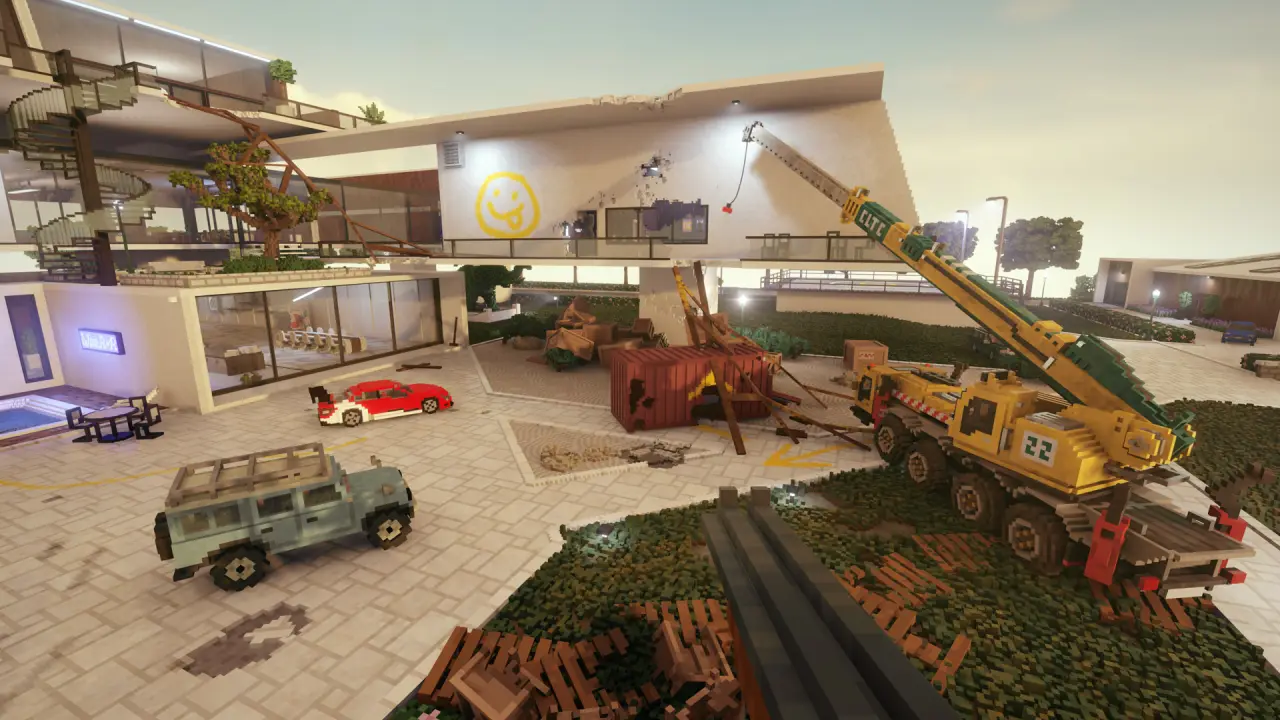
Looked at from 2026, Teardown's place in history is firm. It took the 2021 IGF Excellence in Design award and a 2023 GDC Best Technology nomination — honours aimed, to a one, at its technology.
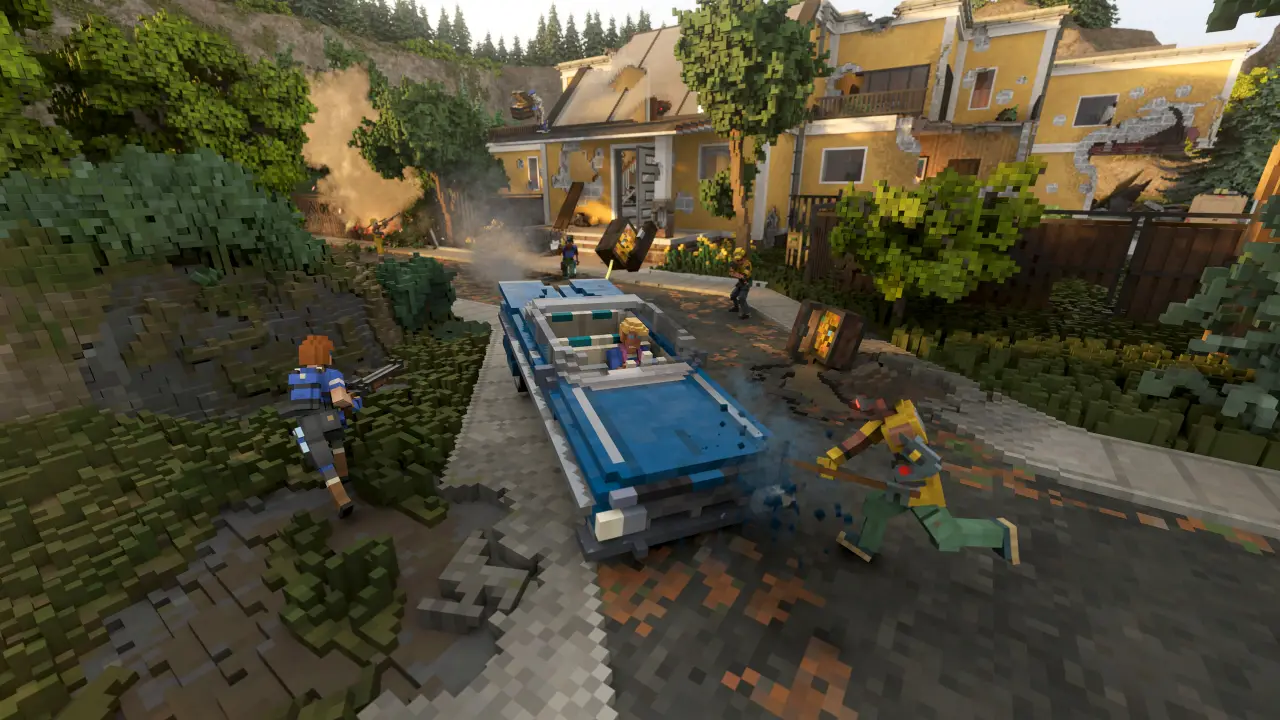
The single hardest thing to replace about it is also the plainest: every voxel takes part in the physics simulation, and the freedom to destroy flows straight from the underlying data structure rather than a pre-set script. Simple to say, brutally high as an engineering bar to clear. The sharpest evidence: its voxel-destruction tech ran advanced enough that Google DeepMind picked it as one of the environments for training the SIMA generalist AI agent. When a top AI lab borrows an indie game's physics world as a training ground, you know how deep the moat on this track runs. Against the Red Faction: Guerrilla it is forever set beside, that game's destruction stays bound by pre-set structure, while Teardown made "every block can come apart" a foundational rule. That gap is not one anybody closes in a hurry.

Player Reviews 0
Share your game review
Join the discussion and share your review of this game.
No player reviews yet. Share your review.