




Not every building-and-management game has to be a slow farm sim or a pure strategy title. Over the past few years, plenty of smaller releases have fused action, gathering, survival, and base growth into tighter loops with much faster feedback. The problem is visibility: these games rarely get AAA attention, yet on Steam they still post 89% to 97% positive ratings, with some nearing 1,000 reviews. This list focuses on standout niche action-building sims, using one filter above all others: does building and management actually drive the game’s depth, or is it just decorative? The numbers make a strong case.
1. Dragon Quest Builders: Alefgard Restoration Chronicle #

 PlayStation Store¥2,090-50%Steam ¥2,090Vedi il prezzo →
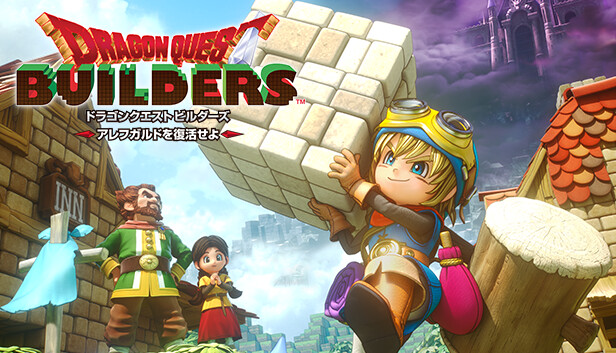
Dragon Quest Builders is underrated for one simple reason: it turns building into the engine of progression, not a side activity. In Alefgard, village growth is tightly linked to quests, NPC demands, and resource gathering. Every new workshop or repaired stretch of defense directly feeds back into new recipes, population growth, and combat strength. A 90% Steam rating across 640 reviews is a solid result for an older game that arrived on PC in 2024. There still are not many games that lock JRPG storytelling, exploration, combat, and settlement building into such a complete loop.
2. Zombie Cemetery Simulator #
 Steam¥1,599¥2,100-24%Vedi il prezzo →
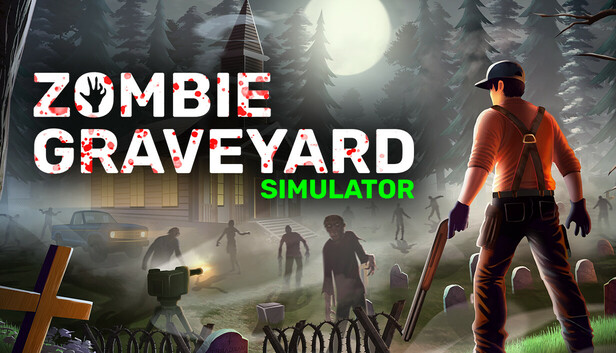
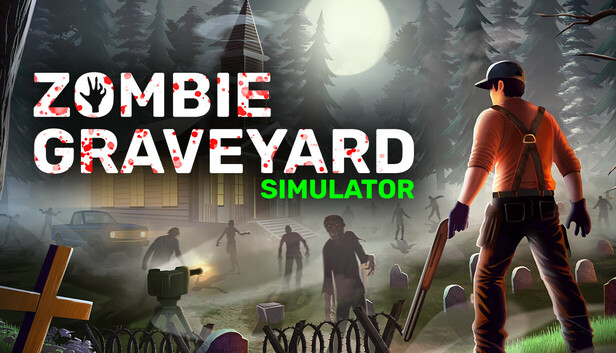
The strength of Zombie Graveyard Simulator is how completely it closes the loop on cemetery management. By day, you bury bodies, cremate remains, maintain tombstones, and receive visitors, all of which convert directly into money, materials, and room to expand. By night, those gains have to be turned into walls, traps, and firepower to withstand zombie waves. Building is not a side system here; it is the main variable behind survival efficiency. At 89% positive from 729 reviews, its structure, where management defines your defensive ceiling, feels more fully realized than most games in this niche.
3. Falling: The Metallic Maidens’ Record of Saving the World #

 Kinguin¥990-63%Steam ¥990Vedi il prezzo →
CleanFall works because it compresses digging, hauling, expansion, and defense into a fast, high-frequency cycle. Procedurally generated layers ensure that each run changes both resource distribution and threat pacing, while the mobile base makes building feel less like maintaining a fixed outpost and more like constantly evolving a survival hub alongside your exploration range. Turrets, tools, and supply lines all need to be planned together; otherwise, even rapid firepower growth can collapse under weak gathering efficiency. With 93% positive across 420 reviews, the data already shows this is more than a gimmick mashup.
4. Gem Mine: Cute Mining Simulator #

 GOG¥418-40%Steam ¥418Vedi il prezzo →
What Gemporium: A Cute Mining Sim gets right is the compactness of its loop: mine, process, display, sell. The management layer is not just set dressing. Players need to control tempo underground, choose veins carefully, then return to the shop and balance stock, equipment upgrades, and customer demand. Time allocation directly shapes the profit curve. At 94% positive with 957 reviews, it stands out for how tightly it binds front-end action gathering to back-end store expansion.
5. Minos: The Minotaur Maze #
 Steam¥1,800¥2,250-20%Vedi il prezzo →
MINOS makes maze-building its true core loop. Trap placement, route manipulation, and resource investment directly determine how efficiently each wave of adventurers gets eliminated. You are not passively holding a point; in each roguelite cycle, you are iterating on the structure of your sanctuary, testing kill chains and defensive redundancy. At 90% positive from 405 reviews, its main strength is obvious: building is not background flavor, but the deciding factor in combat success or failure. Few reverse-dungeon-defense games feel this complete.
6. Drill-Billed Bird #
 Steam¥350Vedi il prezzo →
The appeal of Drill Bird is not just how deep you can dig, but how well it links mining, egg incubation, and returning to the nest into a tightly closed base-growth loop. Ore collected underground is not merely a score resource; it directly affects upgrades and the efficiency of maintaining the nest. The pressure to retreat before nightfall gives each descent a clear management tradeoff: push deeper, or make sure this run’s gains convert safely into lasting progress. As of now, it holds a 97% Steam rating from 321 reviews. Small in scale, but very firm in how building and growth shape decision-making.
7. Level Header #

What makes Levelhead special is that building itself is the main play, not a supporting feature. It ties platforming, device logic, and user-generated creation into one system: players design pacing, traps, and routes, while also considering readability and the feedback loop of a successful clear. With 95% positive across 865 reviews, its reputation is well earned. Compared with games that merely let you construct a base, this feels more like producing challenge content that can be replayed again and again. That is arguably a higher-order form of building.
8. Frog Farm: Survivor #
 Kinguin¥105-91%Steam ¥105Vedi il prezzo →
The standout quality of Pesticide Not Required is not just its survivor-style bullet-clearing combat, but how directly farm expansion is embedded into the rhythm of survival. After every fight, planting, harvesting, and pond management turn into more stable resources and stat growth, which then feed back into home defense efficiency. At 94% positive from 791 reviews, the game shows that this farm-upgrade-defend loop is sturdy enough to carry the whole experience. There are not many games that make light building matter this much in moment-to-moment battle outcomes.
9. Chongchong Academy #
 Steam¥120¥1,200-90%Vedi il prezzo →
Bug Academy may look like a level-based physics puzzler, but what is really underrated is how it turns group coordination into a lightweight building logic. You are not controlling one unit at a time; instead, you organize insect roles, routes, and weight distribution like snapping blocks together to assemble a working solution on the fly. Objectives like moving a refrigerator or powering a rocket require you to build a structure first, then execute it. Its 95% positive Steam rating comes from only 255 reviews, but that low volume is exactly what makes its distinctiveness stand out among smaller games. Even without a visible base, its management thinking is more meaningful than a lot of decorative systems.
10. The world is your weapon #
 Steam¥980Vedi il prezzo →
The World is Your Weapon turns building into combat resource management. Houses, wells, traps, and even villagers can be picked up, thrown, and recovered, which means base layout is no longer just functional zoning; it directly affects push efficiency and room for error. Do you keep key facilities in the rear for stability, or dismantle frontline structures for burst output? That idea, converting town assets into immediate combat power, gives the game a very distinct identity. Its 97% positive rating across 634 reviews also makes clear that the mechanic is not just novelty.
11. Steel Brigade #
 Eneba¥662Steam ¥662Vedi il prezzo →
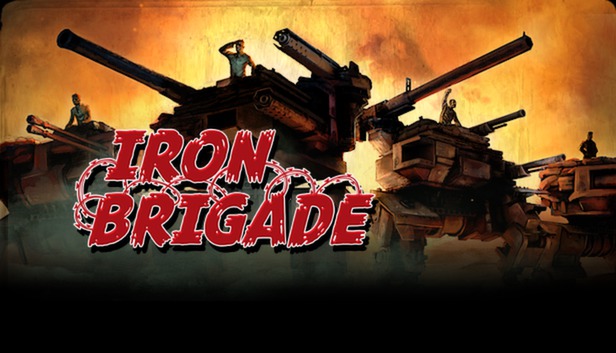
Iron Brigade is underrated because it fuses tower-defense fortifications, mech firepower, and stage progression into one dense loop. You pilot a mobile trench while fighting and laying down turrets, mines, and supply nodes on the move. Where you fortify directly determines clear speed and survival pressure, so this is not an optional side system. Despite its age, the game still holds 85% positive on Steam with nearly 900 reviews. There are not many games that blend real-time shooting and positional management this naturally.
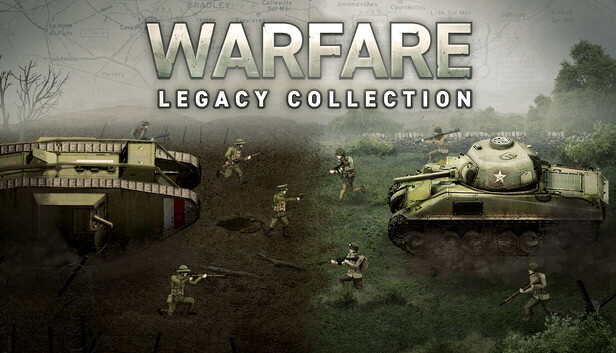
12. Collection of War Heritage #
 Eneba¥965Steam ¥965Vedi il prezzo →
Warfare Legacy Collection may look like a side-scrolling frontline pusher, but what really gives it depth is forward construction. You are not simply mass-producing troops; within the rhythm of your resources, you decide barracks order, firepoint deployment, and wave transitions, letting positional expansion directly shape offensive efficiency. The full remake’s additions of fullscreen and custom battles create more room for tactical testing. With 93% positive from 953 reviews, this older design, driven by frontline management and action interplay, remains competitive even now.
Across these 12 games, the shared trait is easy to spot: building and management are not side content, but the center of the resource loop, combat pressure, and growth pacing. If you are looking for overlooked gems, these high-rated niche standouts are well worth bumping up your backlog.






Commenti 0
Ci interessa la tua opinione
Partecipa alla discussione e condividi la tua opinione su questo gioco.
Ancora nessun commento. Scrivi il primo.