





















Opening
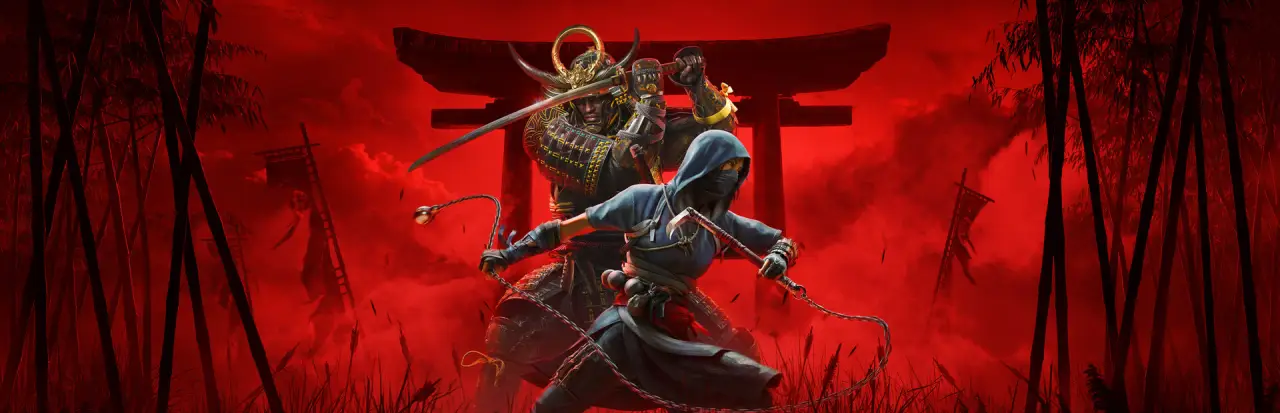
I stand atop a high tower, gazing down at the Japanese mountain village at dusk—the torii gate of the distant shrine glows dark red in the setting sun, while the nearby bamboo grove rustles in the wind. In this moment, I suddenly understand that Ubisoft isn't making "an Assassin's Creed with a Japanese theme" this time, but rather translating the aesthetics of an entire era through the language of games. Tea ceremony, renga poetry, ink wash painting—these cultural symbols aren't decorations pasted on walls, but are woven into the compositional logic of every frame. But beauty is one thing; gameplay is another.

Picture Quality | 8.5/10
Grafica: 8.5/10When the autumn wind blows through the leaves, you can see the trajectory of each falling leaf. The moment sunlight penetrates the bamboo forest mist, the beams cast clear shadows on the ground. These details aren't about showing off—when you slow down moving through snow and your footprints sink step by step into the accumulation, you realize this world is "alive."
What makes me stop most are those distant compositions. The castle sits atop a mountain, backed by layers upon layers of peaks, with wind-bent pine trees in the foreground—these aren't randomly placed scene props, this is a tribute to Japanese natural aesthetics. I spent quite a bit of time in the game specifically finding vantage points, just to catch those "screenshot-worthy" moments.
But ray tracing isn't a cure-all. The firelight effects in night scenes are indeed stunning, yet indoor lighting sometimes overexposes, and shadows on characters' faces occasionally show unnatural hard edges. These minor flaws aren't fatal, but they pull you out of the immersion.

Gameplay | 6.5/10
Gameplay: 6.5/10The dual protagonist system sounds great—ninja Naoe excels at stealth assassinations, while samurai Yasuke is suited for direct confrontation. For the first ten hours, I genuinely enjoyed this "two approaches per mission" freedom. But the problem is that neither gameplay style has enough depth.
Naoe's stealth route inherits the tight combat design from Mirage, with fast pacing and low margin for error. You need to observe patrol routes, calculate kill windows, and face mob attacks once exposed. This logic is fine, but the execution feels lacking—the AI reaction patterns are too fixed, and you can figure out the routine after a few tries. Yasuke's combat is more awkward. Ubisoft wants the feel of a hardcore action game but doesn't dare go truly hardcore. The result is a sticky combat system—moves don't chain smoothly, dodge detection is vague, and the parry-counter timing window is so wide it feels like cheating. If you've played Sekiro, this system feels like eating steak with chopsticks. The biggest change is the exploration mechanics. Missions no longer default to specific locations, the eagle vision drone has been removed, and replaced with an "observation" system—you have to find clues yourself and deduce where the target is. This design direction is right, but the actual experience is disjointed. Some missions have clear clues with a satisfying puzzle-solving process; others have clues so vague you wonder if it's a bug.


Content | 8.0/10
Contenuti: 8/10Main story 50 hours, I'm at 70 hours with only 58% completion. This game's "explore a bit more" is addictive.
The density of side activities is standard Ubisoft-style open world fare—viewpoints, sketches, resource gathering, camp raids, there's always another question mark waiting for you on the map. But this time the side quest quality is clearly divided. Some side quests take you to a hidden hot spring where you listen to a Zen monk recite the Heart Sutra; others are just mindless "go to that camp and kill ten people" tasks.
What really makes me willing to spend time are those cultural detail restorations. You can participate in tea ceremonies, draw fortune slips at shrines, watch renga poetry gatherings in villages. This content isn't required for the main story, but it gives the world warmth. I spent half an hour in a small village just to watch how the NPCs prepare for a festival.
The map is large enough, but large doesn't equal good. In the late game you'll find many areas are just permutations of terrain and buildings, lacking memorable landmarks. I can remember no more than five scenes, the rest are all "oh, another bamboo forest."

Plot | 6.0/10
Storia: 6/10The two protagonists each have their own story—Naoe seeks revenge for her family, Yasuke searches for belonging in a foreign land. Both storylines work well on their own, especially the characters' personal moments. Those passages about identity and cultural conflict are the game's strongest parts.
But the main story is typical Sengoku period clichés. Corrupt bureaucrats, rampant bandits, honor-bound samurai—you'll find these elements in any Japanese Warring States period work. The plot progression is very Ubisoft: accept quest, go to target location, kill or steal something, return to complete quest. The structure of parallel main storylines borrows from Odyssey, but lacks Odyssey's design of "surprises in every thread."
There's one side quest that left a strong impression on me, about an amnesiac blacksmith. No spoilers—find it yourself. That quest's narrative density and emotional intensity completely outshine any part of the main story.
Sound Effects | 7.0/10
Audio: 7/10The environmental audio is very detailed. Wind through bamboo groves, flowing streams, distant bird calls—these sounds aren't background noise, they're helping you locate yourself in space. You can judge ground material from footsteps, predict weather changes from the wind.
The soundtrack follows traditional Japanese style—shakuhachi, taiko, shamisen, all the expected instruments are there. But the problem is it's too safe. Most BGM falls into the "sounds nice but forgettable" category. Only two tracks made it to my playlist—the main city's dusk BGM makes me want to zone out, and the final boss battle music sends my blood pressure soaring.
The Zen monk reciting the Heart Sutra is a highlight, that solemn and dignified atmosphere really makes you stop and listen through to the end. But these standout moments are too rare. Most of the time the audio is just "completing its task" rather than "creating an experience."






Commenti 0
Ci interessa la tua opinione
Partecipa alla discussione e condividi la tua opinione su questo gioco.
Ancora nessun commento. Dicci cosa pensi di questa recensione.