Notizia
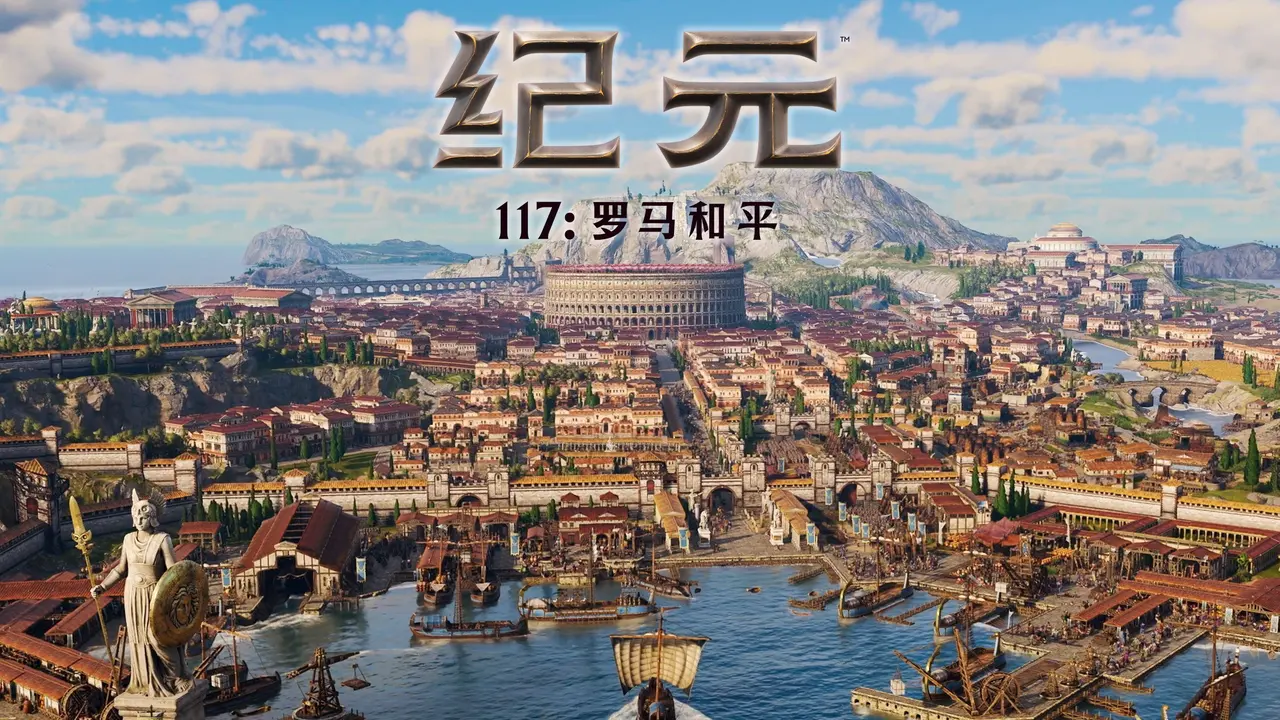
Anno 117: Pax Romana Hits Steam, Letting Players Steady Rome Instead of Build It
Anno 117 is pitching itself as a revival of Roman Empire city-building and strategy, aiming to bring
















Oh man, the moment you start this game, you’re basically isekai’d into being a wage-slave Roman governor! And this time you’re not some godlike city-plopping emperor in top-down view, you’re actually dropped into the Pax Romana of 117 AD. Every decision feels like you’re streaming a high-difficulty challenge run—make one mistake and the chat is spamming “Tyrant Governor” all over the screen.

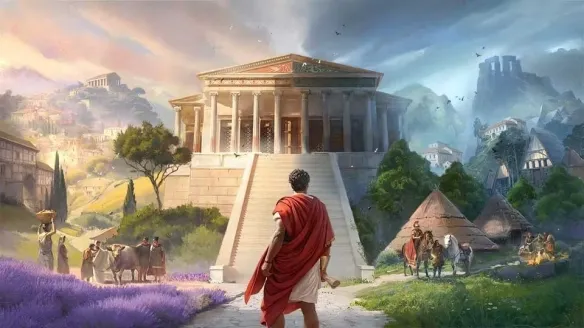
First, let’s get your role straight: you’re not a ruler drawing all over the map, you’re a governor thrown into the two provinces of Latium and Albion. One is the heart of the empire, the other is a “barbarian” frontier. The two differ wildly in resources, culture, and political flavor. Latium’s cities are prosperous and political struggles are maxed out; doing construction there is like tightrope walking on a variety show stage, with the Senate, nobles, and commoners all watching you. Albion, by contrast, is more like a wilderness survival stream: lots of Celtic locals, rich resources, but terrible roads and tough tempers. You’re mining and farming on one hand while figuring out how to gradually “Romanize” the place on the other.

The core gameplay is clear: it follows a long-term grand strategy style similar to Europa Universalis, but the camera is pulled in closer and more deeply focused on “governance.” The economic system is basically a Roman production line: from basic resources like wheat and stone, to higher-tier goods like pottery and toga robes, then into taxes, productivity, and reinvestment. Every link matters; nothing is just decoration. In Latium, you plan out grain and stone to keep urban citizens fed and housed, then spin up a pottery production chain to improve quality of life. After that, you keep an eye on Celtic specialties in Albion, shipping the good stuff back to Rome to both fill domestic gaps and shave off a neat slice of trade profit. That whole combo easily earns a “Chief Financial Officer” rating in my book.

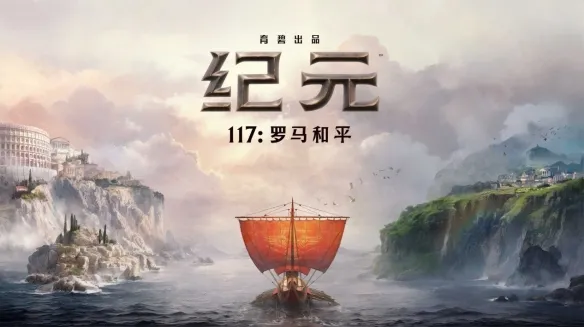
Here’s the key: the game doesn’t let you brute-force your way to victory with massive armies; the military system is all about finesse. Naval combat offers three ship types and lets you slot in watchtowers and ballistae as modular upgrades. It’s a pure “tactical streamer” brain game instead of a click-per-second contest. Land battles go even harder, fully recreating Roman legion organization, with gear durability and blacksmiths constantly needed for maintenance. If supplies are cut or wages go unpaid, legion morale crashes instantly. This design is perfect for streaming drama: you’re paying soldiers while crying over your budget, and the moment you dock their pay, chat is flaming you as a “heartless governor.”

On defense, I really like the “Watchtower — Fort — Legion Fortress” three-layer frontier defense system. You can clearly feel the rhythm from detection, to delaying, to decisive battle. Combine that with the diplomatic system, where you can form mutual-defense alliances with other provincial governors or enact “Romanization policies” to slowly assimilate neighbors, and the empire’s frontier stops being just some lines at the edge of the map—it becomes a living, interest-ridden front stage. In campaign mode, you climb from a minor provincial governor toward “Co-ruler of the Empire,” running into key events like Senate proposals and Egyptian provincial revolts. Every choice is a loot box: short-term trouble that could mean long-term disaster or takeoff. It’s especially suited to strategy players who love save-scumming and tweaking outcomes.
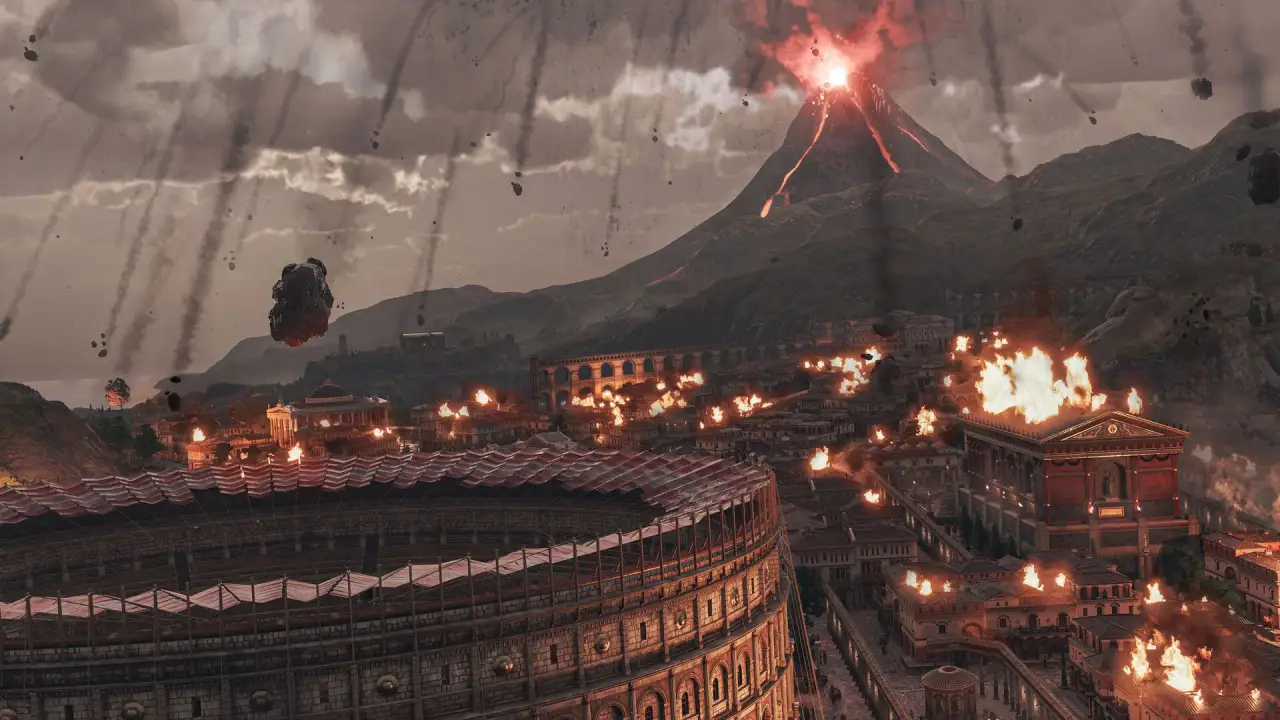
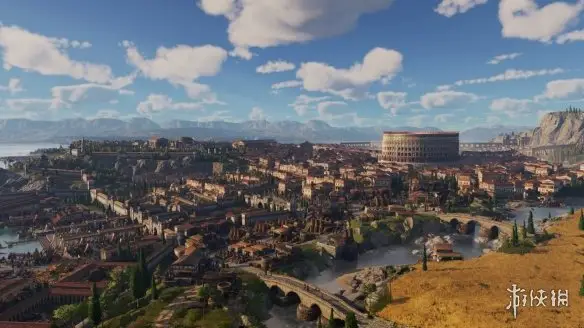
But the thing that really hooks me is how “picky” the city-building is. Roman aqueducts aren’t just drag-and-drop water pipes; the game actually makes you calculate the gradient based on hydraulic principles. Get the slope wrong and the whole city loses water, public anger explodes, and the riots make chat spam look tame. The first time, I slapped aqueducts down at random and basically turned the city into a desert. All I could do was apologize and rebuild. Public baths also run on a chain system: water supply, heating, and slave maintenance all have to be in place, or happiness drops. It really feels like you’re running an actual physical bathhouse, where no detail can be phoned in. Culture isn’t hand-waved either: Latium has a full toga robe production chain, while Albion preserves Celtic deities, and you can grant Roman citizenship to gradually twist different cultures together. That’s what “Pax Romana” should feel like.
Then there’s the specialist system, which works like installing plugins on your cities and warships. There are four rarity tiers, and you can assign specialists to the governor’s villa, offices, or ships. The stacked bonuses are substantial. With the right combos, you can clearly feel the whole province running more smoothly, like you’ve hired a professional planner and producer for your stream: income and stability both spike. Paired with random events and multiple modes, every run plays out differently. Even with the same Latium + Albion combo, last game you might’ve been a chill builder, and this time you’re a ruthless militarist governor. The urge to restart runs is strong.
To wrap up with some buying advice: if you’re a Europa Universalis veteran, used to long-term strategic planning and you have some affection for Roman history, I can sum it up in one line: “Anno 117: Pax Romana is absolutely the historical strategy masterpiece most worth your money.” If you prefer something light and casual, 20 minutes a match, this might feel a bit too hardcore and systems-heavy. But if you’re willing to sit down and play a serious Roman governor for once, juggling survival between the Senate, the legions, and the people in the era of Pax Romana, this new title has a real shot at becoming the new Roman benchmark in your strategy library.
Commenti 0
Ci interessa la tua opinione
Benvenuto! Raccontaci cosa pensi di questo gioco: chi arriva per primo potrebbe avere una sorpresa.
Ancora nessun commento. Scrivi il primo.