Notizia
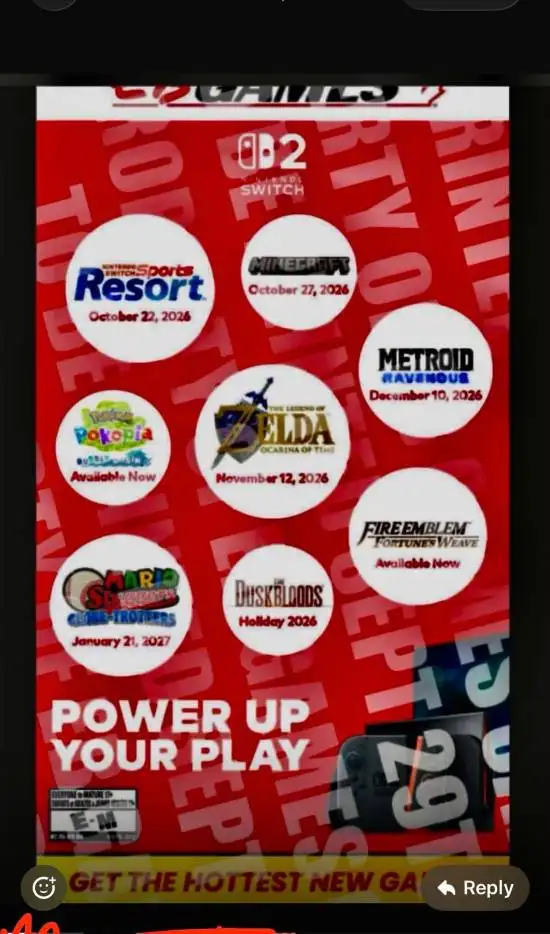
EB Games Leak Reveals Ocarina of Time Remake Release Date
A Reddit user claims an EB Games poster leaked several Switch 2 release dates, though the listing remains unverified. Ni
















They made a very clear trade-off here: instead of taking the high-premium route common in celebrity dining, they pushed pricing down into a range more conducive to repeat purchases. Actor Wen Zhang opened a Shaanxi-style noodle shop in Shanghai called “No. 8 Courtyard,” and its rapid rise to popularity recently is no mystery at its core: affordable prices plus a low-key owner attitude. This combination is more professional than many celebrity restaurants that rely on elaborate decor and traffic-building. For the restaurant business, this is a bit like a textbook-level beginner-zone design: first lower the barrier to entry, then use the experience to drive retention.
From a product design perspective, the price band is the most critical system parameter of this restaurant. Online platforms show that its signature oil-splashed biang biang noodles sell for 32 yuan a bowl, while the handmade la zhi roujiamo (fat and lean) sells for 18 yuan. At the very least, this price range shows that it has not directly converted the word “celebrity” into a menu surcharge. Many so-called celebrity restaurants nowadays start with high per-customer spending; in fact, that business logic is rather lazy, counting on fans and curiosity-driven spending to pay the bill once. But this model has weak repeat purchases, fragile word of mouth, and often a very short lifecycle. By contrast, the pricing strategy of “No. 8 Courtyard” looks more like an effort to first build a solid base, so that ordinary passersby are also willing to give it a try.
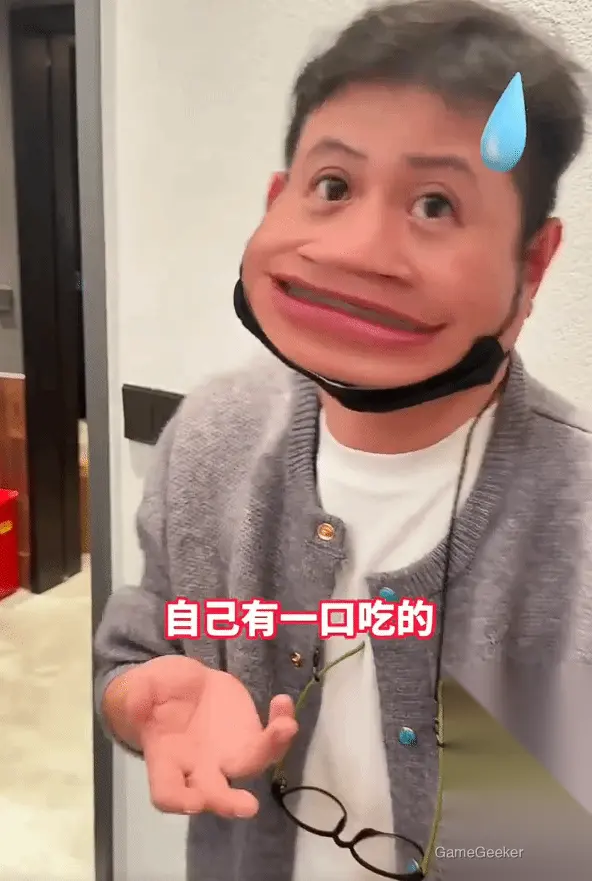
Another plus is the motivation and attitude Wen Zhang himself has conveyed publicly about opening the restaurant. When artist Yuan Chengjie visited the shop, he asked why he got into catering, and Wen Zhang answered, “Purely so I can have something to eat myself.” That line naturally has viral appeal, but more importantly, it packages the restaurant as not just a purely commercial project, but as a physical business rooted in a bit of everyday necessity. Technically speaking, this kind of narrative is very much like adding a layer of credible worldview to the product. Users may not place an order entirely because of that sentence, but it does lower their guard against feeling “ripped off.”
More direct feedback has already shown up in the queue data. Some diners said the line outside stretched over 30 meters, and that they queued from afternoon until evening without getting in. A queue does not necessarily equal long-term success; it could also just be a short-term pileup of traffic. But at the very least, it shows that the first round of customer acquisition has already been accomplished—and accomplished very strongly. In business terms, the hardest part for a celebrity restaurant is not having a lively opening, but whether after the buzz fades it can still rely on its products and pricing to sustain customer flow. That is the real mid- to late-stage operational hurdle.
If you look at it in comparison with similar businesses, the popularity of Wen Zhang’s noodle shop actually shows that consumers are becoming increasingly mature in how they judge celebrity dining. People are not opposed to celebrities opening restaurants; what they reject is treating fame as a pricing plugin and decor as the product itself. For ordinary customers, this restaurant is currently better suited to a “try something new + experience it” expectation. If you are particularly bothered by long waits, this is not the best time to go in. But if the queues normalize later, then the 32-yuan signature noodles and 18-yuan roujiamo, at least on paper, look like a setup that invites repeat spending.
From the perspective of an industry observer, this actually serves as a reminder to many cross-industry entrepreneurs. Celebrity halo can only solve the problem of initial traffic; it cannot solve product value. What truly survives market cycles is still a clear pricing strategy, consistent product quality, and a service attitude that is not pretentious. The reason Wen Zhang’s noodle shop can become popular now is not because the story is especially complex, but because it got at least the two points users are most sensitive to right: don’t charge too much, and don’t come across as aloof.





Commenti 0
Ci interessa la tua opinione
Benvenuto! Raccontaci cosa pensi di questo gioco: chi arriva per primo potrebbe avere una sorpresa.
Ancora nessun commento. Scrivi il primo.