
Notizia
Bunny Garden 2 Adds Twin-Tail Lolita Roro in New Update
Bunny Garden 2's new 10-second trailer shows a twin-tailed lolita character in a sweet-yet-cutting promo. With six heroi
















Every time I see a game create two distinct moods out of “on versus off,” I pay special attention. Crimson Desert gave me that feeling this time—it’s like the same character speaking under different lighting, and suddenly the emotions feel much more real.
The overseas outlet ElAnalistaDeBits recently released a comparison video and screenshots showing ray tracing on and off in Crimson Desert, focusing mainly on global illumination and reflections. Simply put, this isn’t the kind of upgrade you only notice when zooming in—some areas take on an entirely different look and feel. The difference is especially obvious in enclosed environments and nighttime scenes with lots of light sources.
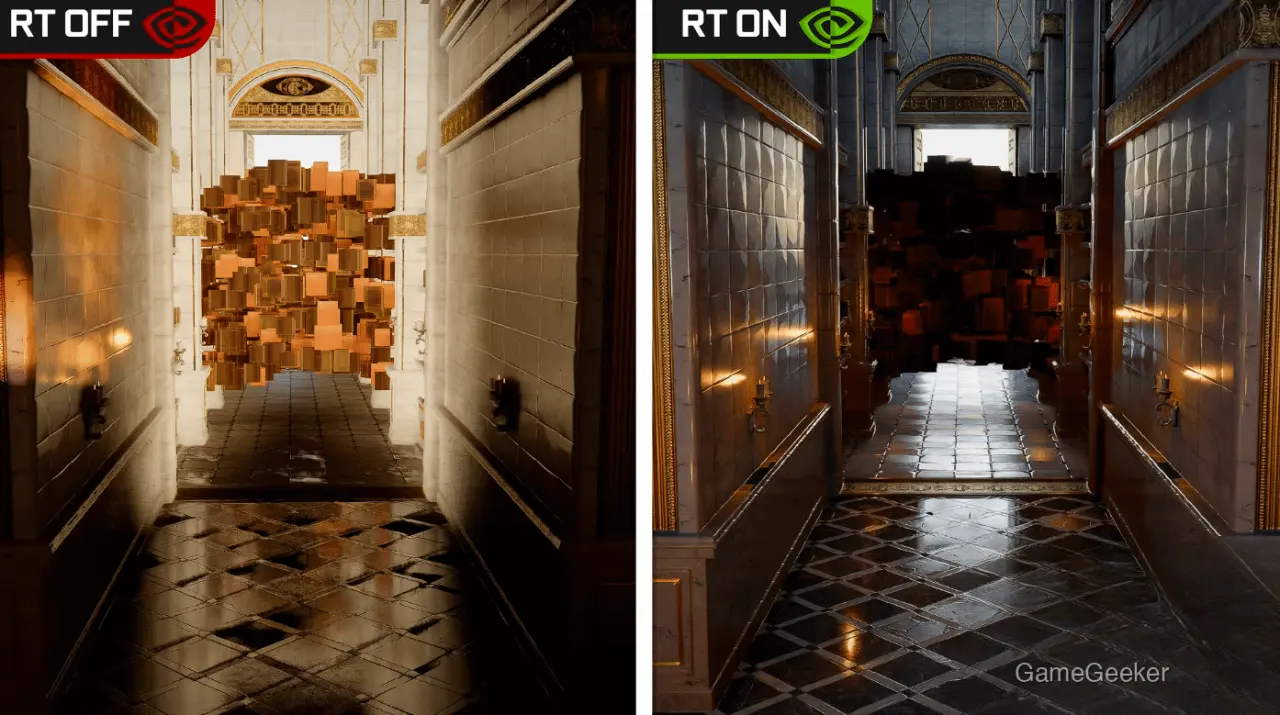
What impressed me most was the global illumination. ElAnalistaDeBits even said that, in terms of global illumination, this game may be one of the most dramatic examples of a ray tracing on/off difference they have ever seen. That’s actually a pretty weighty statement, and it also shows that Crimson Desert isn’t treating ray tracing as mere decoration, but as part of its visual expression.
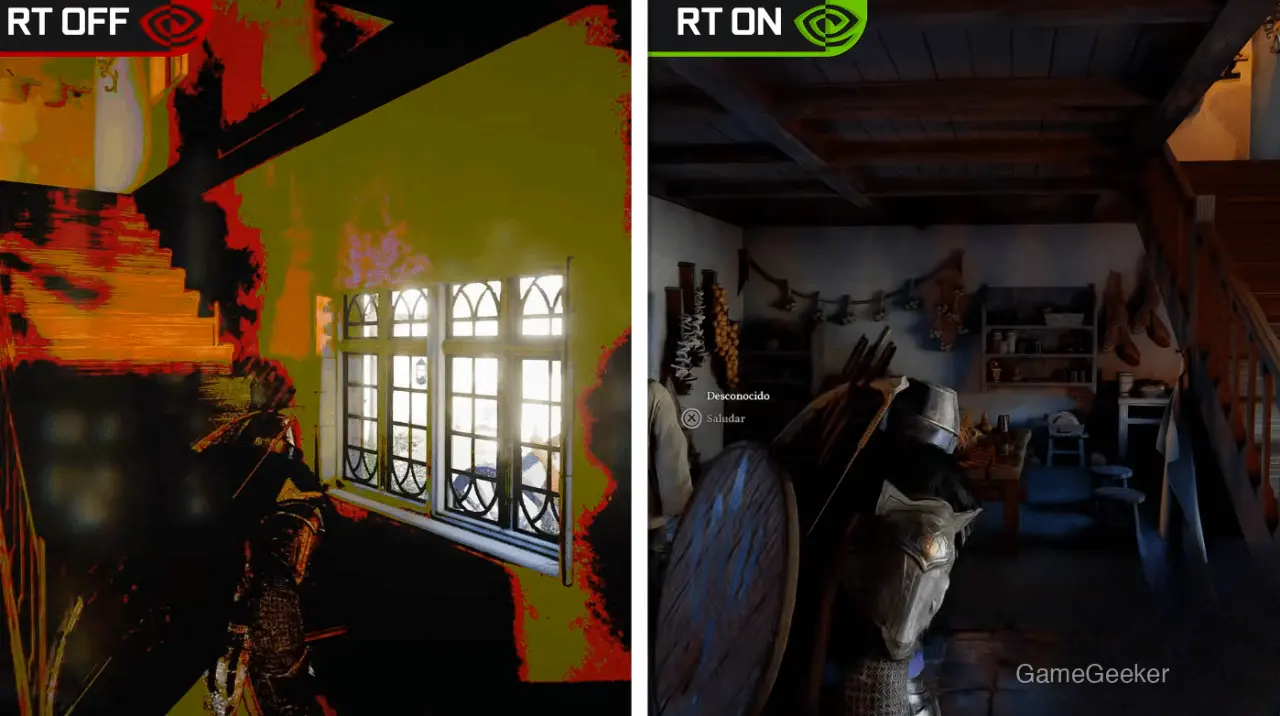
As for the characters, although this news itself isn’t about the story, I care a lot about whether “the environment has emotion.” Good lighting doesn’t just make stone walls brighter or metal more reflective—it changes how you interpret a world. A street at night, indoor shadows, the layering of firelight on a wall—when these elements are done well, the player’s sense of immersion comes as naturally as reuniting with an old friend, with hardly any need for prompting.
What breaks the immersion for me, though, is that if ray tracing is turned off, the original report mentions that some enclosed environments show visual flaws. That point is actually quite important, because it means the baseline visual experience may be weakened—it’s not just a matter of “losing a bit of premium polish.” If a game is clearly designed around ray tracing in certain scenes, then what lower-end players see may be a version that never fully unfolds.
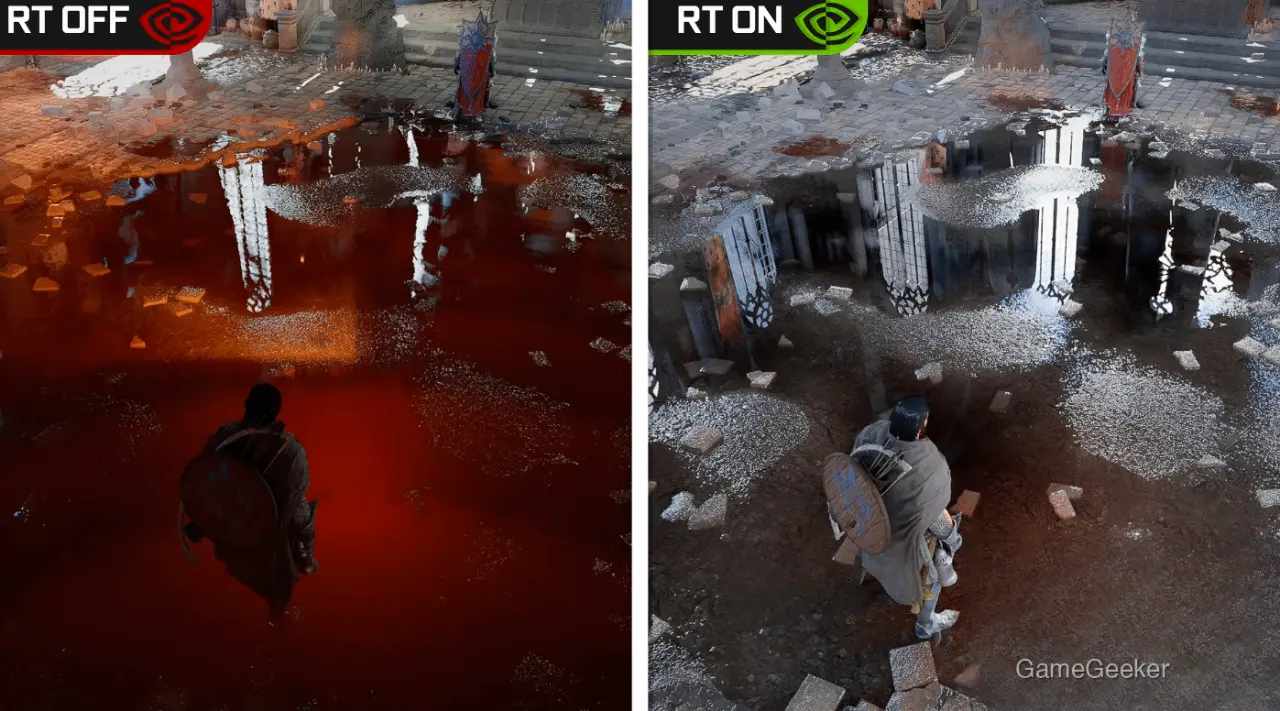
In addition, the report mentions that with DLSS Ray Reconstruction, image quality can be pushed even further. That’s good news for PC players, because at least it shows the game isn’t simply brute-forcing performance, but has a technical path for balancing visual quality and efficiency.
The purchase and play recommendation is also very straightforward: if you plan to play Crimson Desert on Steam in the future and your hardware supports ray tracing, I would much more strongly recommend treating it as a game best experienced with ray tracing enabled whenever possible. ElAnalistaDeBits also explicitly recommends playing with ray tracing turned on, believing the game was clearly designed around this technology. On the other hand, if your system is struggling, it’s best to wait for hands-on optimization feedback first, because with games that show this much visual difference, the gap in experience across hardware configurations is often more pronounced as well.
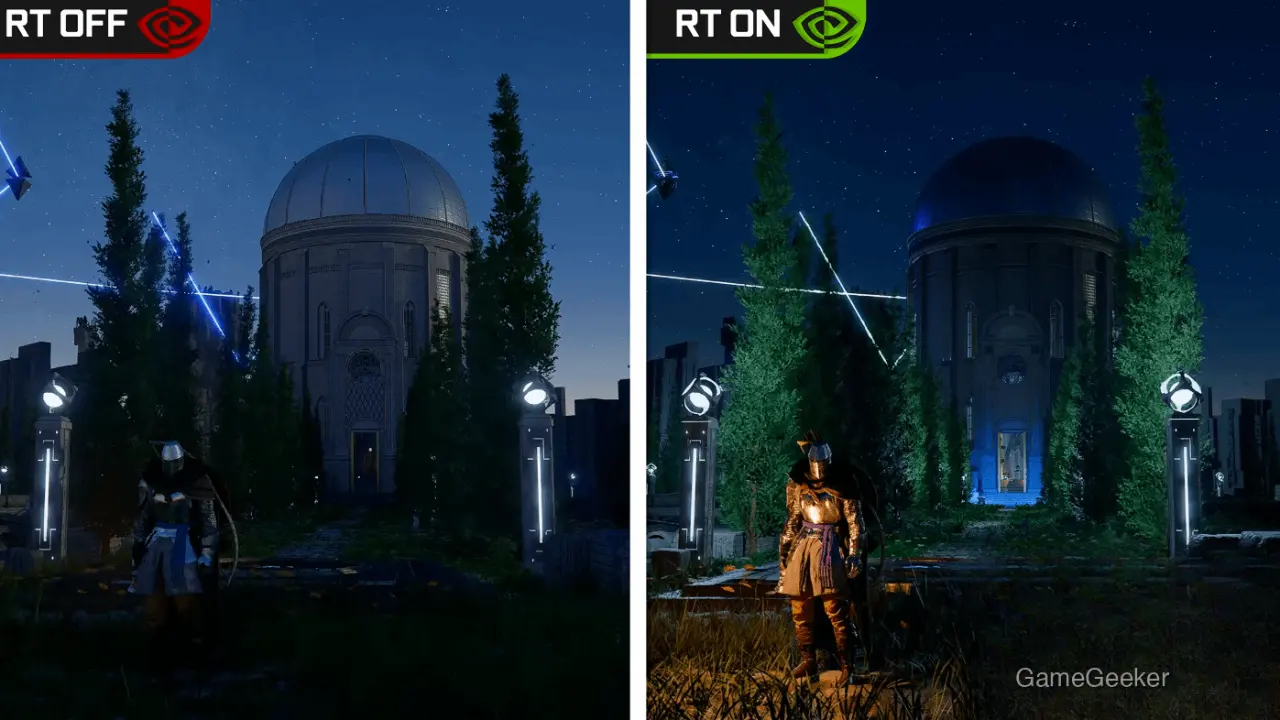
Looking at the broader trend, more and more new releases are no longer satisfied with simply “having ray tracing,” but are starting to treat global illumination as the core of atmosphere. What moved me most about Crimson Desert this time wasn’t the technical terminology itself, but that it finally makes the visuals more than just beautiful—it makes them feel like a living, breathing world. For players like me who really value immersion, that kind of improvement genuinely affects whether I want to step into that story at all.




Commenti 0
Ci interessa la tua opinione
Partecipa alla discussione e condividi la tua opinione su questo gioco.
Ancora nessun commento. Scrivi il primo.