Notizia
I’m Surrounded by Male Classmates Wipes Its Account
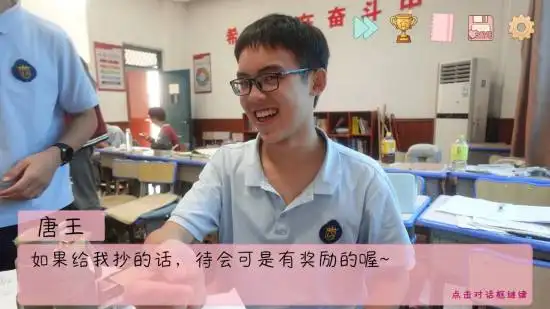
After an LGBTQ+ controversy over the Steam description for Oh No! I'm Surrounded by Male Classmates,
















You stare at the pink school-themed interface. The dialogue in your ears sounds light and everyday, yet the atmosphere grows stickier by the second, like an invisible hand pressing down on the back of your neck. What truly sends a chill down your spine has never been a face suddenly lunging out from the screen, but the moment you realize the game has known you were watching it all along. Doki Doki Literature Club works exactly like that, so I’m not surprised at all that it’s considered a psychological horror classic.

But what’s been more unsettling lately is that instead of scaring players first, it was directly “shown the door” by the platform. This popular psychological horror game has already been removed from the Google Play Store, only a few months after launching on mobile in December 2025. Publisher Serenity Forge was very straightforward: Google’s reason was that the game’s depiction of sensitive themes violated the platform’s terms of service.
If you’ve played Doki Doki Literature Club, you know it is far from an ordinary visual novel wearing the skin of a dating sim. Its trademark is its fourth-wall-breaking meta design, combined with psychological horror and mature violent content, tightening the sense of unease little by little like slowly boiling a frog in warm water. Once you come back to your senses, you realize none of this was snuck in secretly—the store page had clear warnings from the start, explicitly stating that the game is “not suitable for children or those with low psychological tolerance.”

And that is exactly where the issue lies: if the promotional materials had already made the target audience clear, and its content style was never a secret, why was it approved for release four months ago, only to suddenly be deemed in violation now? This is also the point players are most unhappy about. For many, the impression is simple: this doesn’t feel like pre-release review, but more like retroactive punishment—almost like settling old scores after the fact. The blow came down out of nowhere, and the explanation wasn’t even complete.
Pull the timeline back a little further, and this starts to look even more like an aftershock of shifting industry trends. Since last year, payment platforms and major storefronts have clearly tightened their scrutiny of adult content. Platforms such as Steam had already removed some adult-oriented works under pressure from payment giants. More troublingly, people in the industry had long warned that this kind of review might not stop at the boundary of pornography—it could continue expanding outward, reaching violence, horror, and even psychological thriller themes.

But what really unnerves me is not that this game was singled out. It’s that if the standards start to drift, many works built on atmosphere and psychological oppression will become vulnerable. Cheap jump scares get a pass, while works that seriously deal with mental trauma, narrative violence, and discomfort become more likely to be hit instead—that’s deeply ironic. Put bluntly, if platforms focus only on the word “sensitive” while ignoring ratings, warnings, and target audiences, then in the end it won’t be low-quality content that suffers, but the very expression of the genre itself.
For players, there is only one practical piece of advice right now: if you were already planning to experience Doki Doki Literature Club on mobile, don’t assume digital storefront availability is all that stable. As of now, Google has not responded on whether it will restore the game. As for whether this incident will become some kind of signal, all I can say is this: what horror games may truly need to fear is no longer the monster, but the invisible hand that can snuff out the lights at any moment.



Commenti 0
Ci interessa la tua opinione
Benvenuto! Raccontaci cosa pensi di questo gioco: chi arriva per primo potrebbe avere una sorpresa.
Ancora nessun commento. Scrivi il primo.