
Notizia
Bunny Garden 2 Adds Twin-Tail Lolita Roro in New Update
Bunny Garden 2's new 10-second trailer shows a twin-tailed lolita character in a sweet-yet-cutting promo. With six heroi















If games are compared to a long-distance rally, then what Hideo Kojima wants to do is clearly not just have players stare at the finish line and sprint toward it. In a recent interview, he once again emphasized that the works he creates, including the Death Stranding series, are not meant merely to provide instant entertainment, but to turn games into a track leading toward music and culture. It sounds very literary, but in the case of Death Stranding, it is actually quite concrete, because for many players, the first time they truly remembered a certain musical atmosphere was precisely on that lonely wasteland.
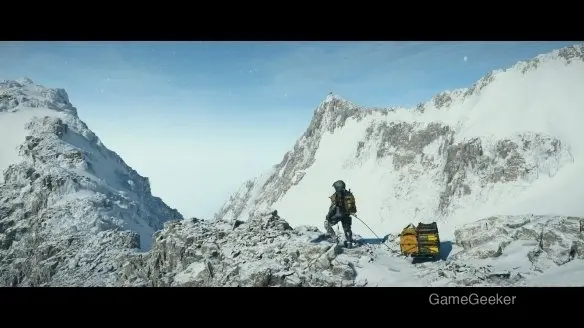
In an exclusive interview with Vogue, Kojima used the original music from the band Low Roar featured in Death Stranding as an example to explain why games can serve as a gateway to culture. When players cross snowy mountains, traverse the wilderness, and hear a song at just the right moment, their emotions are amplified by both the scenery and the melody. That kind of experience is far more likely to leave a lasting impression than simply opening a music player on its own. For that very reason, players may end up doing more than just liking a song—they may follow that thread to explore post-rock, ambient music, and even branch out to discover other Icelandic artists and films.
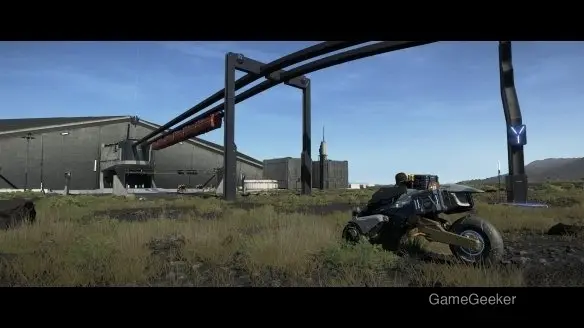
I think this is exactly what makes Death Stranding so special: it does not treat music as mere background, but as the apex of a turn on the track, forcing you to lift your head at the height of emotion and look farther ahead. Many games package their content into a complete, self-contained experience that ends once you finish playing, like a closed-door race—exciting, but with clearly defined boundaries. Kojima is clearly not satisfied with this kind of “closed system.” What he hopes more for is that after finishing the game, players will go search for playlists, look up directors, and come to know another cultural context. That, in his view, is the real value of entertainment.
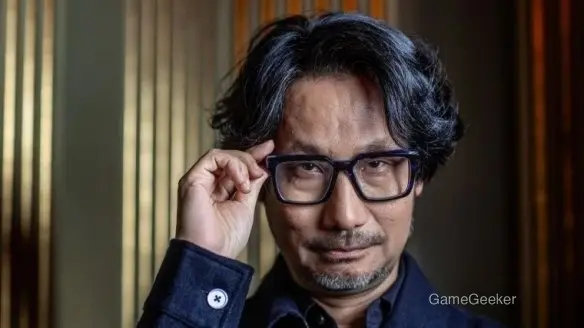
This statement also points to a real divide in today’s game industry. One type of work places ever greater emphasis on retention, numerical systems, and gameplay loops, locking players firmly inside the product itself; another is beginning to value cross-media expression, allowing games to interact with music, film, and visual art. Kojima’s stance is very clear: “True entertainment should have the enlightening value of ‘discovering new things.’” That idea may not apply to every product, but for works that emphasize authorial expression, it does provide a higher standard.
Judging from feedback in the player community, what has been mentioned most often about Death Stranding over the years, aside from debates over its gameplay, is the unique memory created by the combination of music and scenery. This shows that the influence of games no longer stops at the level of interaction alone, but can actually reshape the way players encounter art. If you already enjoy works that have rhythm, atmosphere, and a lingering aftertaste, Death Stranding is still well worth experiencing. It may not be the kind of game that hooks you the fastest, but it is very likely the kind that, after you finish the whole journey, makes you go back and listen to an album.


Commenti 0
Ci interessa la tua opinione
Partecipa alla discussione e condividi la tua opinione su questo gioco.
Ancora nessun commento. Scrivi il primo.