Notizia
With PC hardware prices up 40%, how should gamers build their rigs?
AI demand and raw-material shortages are driving PCB prices higher, triggering cost increases across
















Only one light was on in the living room. The small PC case in the corner of the desk glowed with a faint blue light strip. On the screen was the spaceport of Starfield; the flames of ships taking off and landing in the distance were reflected on the glass window. For a moment I really wanted to turn off all the lights in the room, leave only this screen as a night light, and let myself move into this virtual space city.
Back to the game itself, that impulse of “do I want to live in there” is, to a large extent, piled up by hardware. When you stand on a rooftop in a Starfield city and look down, and the frame rate is as solid as a frozen pond on a winter night, you just can’t bring yourself to hit Alt+F4. But staring at the CPU prices in my shopping cart lately, my breathing pattern has started to change. My finger hovers over the “Place Order” button as if a thick layer of glass has suddenly appeared under the mouse.

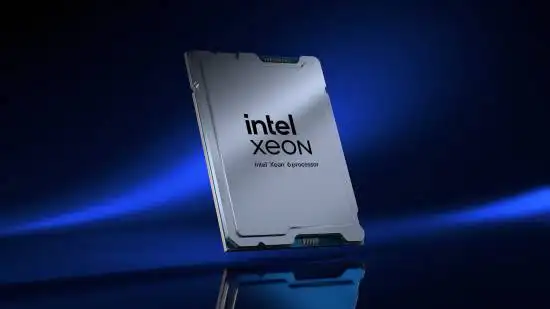
Laying out the reality first: only three months into 2026, Intel’s consumer CPUs for gamers have already gone through two rounds of price hikes. First there was an adjustment in February, around 10%-15%. Before our wallets had time to recover, a second round hit on March 16, adding roughly another 15%. After these two kicks, prices are already about 20% higher than in January. According to the official roadmap, a third increase is planned for May, and by the end of the year the cumulative target is to push toward a 30% rise. This isn’t a tiny wobble in the decimal places; it bluntly shoves your build budget from autumn back to early spring.
But beyond the pretty graphics, the reasons are laid out in broad daylight: this wave of price hikes is underpinned by a surge in server CPU demand driven by AI infrastructure, rising like the tide before a storm. Enterprise orders are highly profitable and share Intel’s own fabs and process nodes such as Intel 7 and Intel 3 with consumer products. Capacity is being locked in by the enterprise side first, and the supply left for gamers naturally gets more and more squeezed. The newly released Core Ultra 200S Plus (ArrowLake Refresh) originally managed to win some favor with its performance and pricing, but now its retail price has been pushed up by tight supply, clearly overshooting the official suggested price. A chip that was “truly tempting” has become “looks tempting,” missing just that final push.
Interestingly, the wind isn’t blowing in only one direction. AMD is also profiting from the server boom. Lisa Su herself has said that current demand in the server CPU market is very impressive. But their CPUs are fabricated by TSMC; utilization is high, yet they have not (for now) raised prices on the gaming side along with Intel. Add to that the gradual encroachment of ARM processors in the consumer space, like a layer of clouds slowly pressing down on an overcast day, and you get a counterforce against Intel’s current price hikes, making it hard for them to crank prices up even more aggressively.

From the player’s perspective, the first to be affected are those who originally planned to build themselves a “Starfield & 2077 max-settings clear-everything rig” in 2026. Their parts lists have suddenly been bumped up by several hundred to over a thousand yuan. Before you even see the stars in your case, your wallet is already plunging straight into winter. In terms of the question “do you want to live in there,” CPU price hikes are like dimming the neon lights that were supposed to stay on all night. They won’t directly shatter the cities inside your games, but they will delay the time you can move in, leaving you pacing back and forth between the shopping cart and the wish list.
Some practical advice: if your current machine can still keep Starfield and Cyberpunk 2077 running smoothly at medium settings, and you’re not in a rush to upgrade, you can absolutely sit out this price hike cycle. Let your budget pool quietly like still water; wait for Intel to finish its planned 30% rise, then let the market and competitors flatten prices again before you make a move. If you happen to be planning a new “live-in” level build right now and your budget is stuck in your throat, then consider taking a serious look at the AMD camp, or carefully compare different channels for the gap between ArrowLake Refresh’s official MSRP and its real retail prices. Weigh every single frame before you buy.
In the end, it comes back to that scene in front of the screen: the in-game city glows like a sea of stars in the night, while in the real world there’s only a desk lamp and a CPU cooler slowly warming up. When hardware starts to become a luxury, the act of moving into game worlds—something that should be light and effortless—inevitably takes on a whiff of calculation. Hopefully next time we talk about a game like Starfield, it won’t be with hardware prices dragging us around, but purely because of that one frame of light falling onto the ruins that tightens your chest and makes you want to stay there for one more winter.

Commenti 0
Ci interessa la tua opinione
Benvenuto! Raccontaci cosa pensi di questo gioco: chi arriva per primo potrebbe avere una sorpresa.
Ancora nessun commento. Scrivi il primo.