
Notizia
Grab two free PC games before Epic's clock runs out, while Undertale and Divinity: Original Sin 2 are 75% off
Astral Ascent and LUFTRAUSERS are free to keep today, while two of PC gaming's most celebrated RPGs cost less than $14 c
















To get straight to the point: although this game isn’t really suited for a four-player dorm squad queue, it genuinely doesn’t look boring at all. Normally I’m way more into games with friends, and when I play solo, I often want to quit after just a little while, but OPUS: Prism Peak feels like an exception this time. It just launched on April 16, 2026, and the overseas outlet gamegrin even gave it a perfect score, which already says a lot.

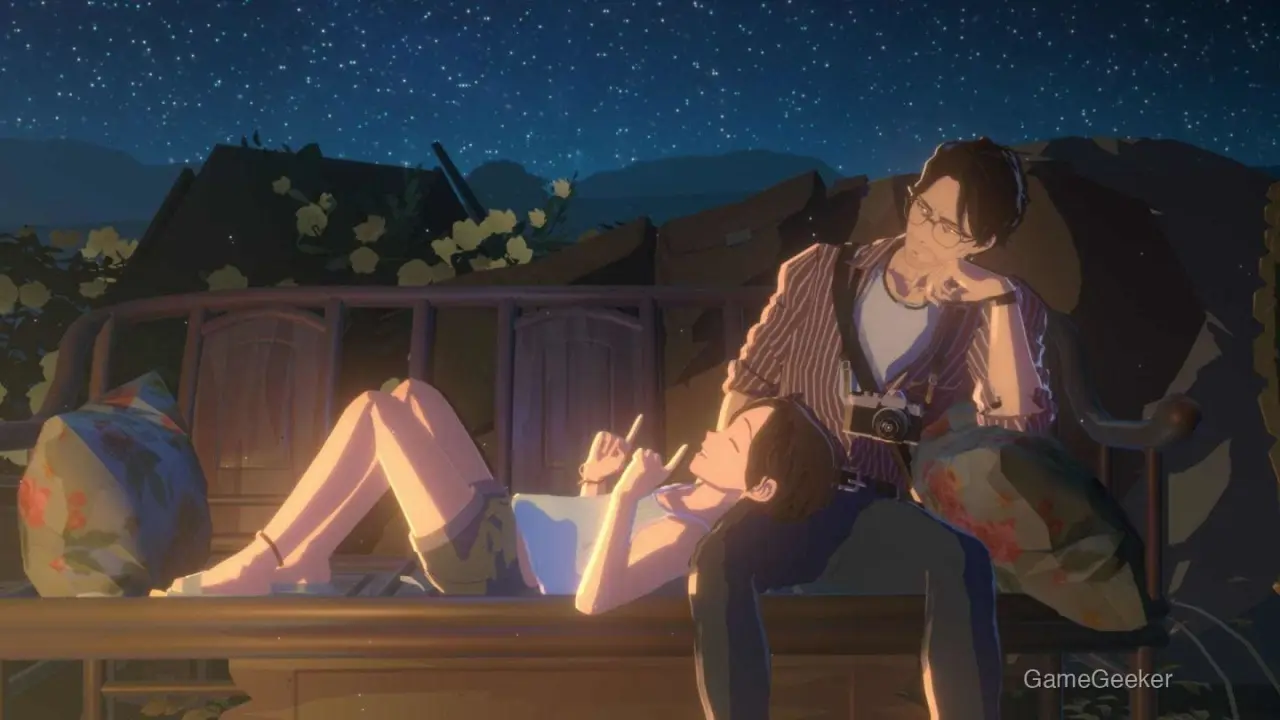
This title was co-developed by the Taiwan-based studio SIGONO INC. and Shueisha Games, with a strong focus on story-driven gameplay and multiple endings. The story is set in a fantasy world called the “Twilight Lands,” and the protagonist is a middle-aged man who lost everything because of his obsession with photography. The wildest part is that while on his way to attend a relative’s funeral, he gets into a car accident and ends up in another world where animals can talk. The setup sounds like something your roommate would mumble in their sleep—strange, but oddly compelling.
After arriving in this other world, the protagonist meets an amnesiac girl and obtains a magical camera. From there, the core objective is to photograph the creatures and landscapes of the land while searching for a way home, all the while gradually confronting his own inner wounds and regrets. It’s a smart setup: photography isn’t just decoration, but the key that drives the story forward. It’s like every press of the shutter is flipping through your old chat history.
The gameplay isn’t just some tourist sim where you press a button and call it photography—it actually makes you adjust settings. Focus, filters, shutter speed, all of that matters, and many photo targets are presented like puzzles. You have to observe the environment, interpret clues, and then figure out how to capture the right shot. It feels a bit like trying to get a professor to hint at the important exam topics during finals week: it looks relaxed on the surface, but it really tests your eye.
There’s also plenty to dig into in the exploration side. Players can collect “Ember Seeds” and offer them at campfires to unlock new filters, lenses, outfits, and bits of backstory. Not all camera functions are available from the start either—for example, manual focus has to be unlocked gradually. That kind of pacing works really well for a narrative game: it doesn’t dump a screen full of menus on you all at once. It’s more like joining a new club at the start of a semester—first you get to know people, then you gradually settle in.

Another thing that makes this game easy to connect with is how steady and cohesive its overall vibe feels. Reviews mention that its visual style is clearly influenced by Makoto Shinkai, with bright, warm colors and very fine environmental detail. The music and atmosphere are tightly woven together, and while the overall pace leans calm and gentle, the chase sequences involving the “shadows” can suddenly ratchet up the tension. That back-and-forth between relaxation and stress is even more jolting than a surprise dorm inspection in the middle of a late-night room chat.
Also, this isn’t the kind of narrative game that’s over once you finish it once. The game features 26 different endings in total, and your dialogue choices, photography completion, and interactions with companions all directly affect how the story unfolds. A first playthrough takes around 10 hours, and after finishing, you can freely replay chapters, skip scenes you’ve already watched, and fill in hidden content like the animal codex and rune interpretations. In terms of replay value, it really delivers.

Of course, it’s not without flaws. Reviews mention that cutscenes can’t be paused, which really is kind of annoying. If you’re in the middle of playing and your roommate suddenly tells you to go pick up the takeout, all you can do is stare helplessly as the experience gets interrupted. Fortunately, it runs very well on Steam Deck, so if you just want to curl up in bed and quietly push through the story, that’s actually a pretty fitting way to play it.
If you’re like me and usually prefer chaotic multiplayer fun, then I’d put OPUS: Prism Peak in the category of “great when you want a change of pace.” It doesn’t rely on explosive feedback loops to keep you hooked; instead, it slowly pulls you in through photography-based puzzles, emotional immersion, and multiple endings. It’s a great fit for people who enjoy low-pressure narrative adventures, and also for anyone who’s been mentally worn out by competitive games lately and wants something that can help cool their brain down. Put simply: it’s a little unfortunate that you can’t really play it together, but it still looks like the kind of game that’s at least worth putting on your headphones and giving a full evening of your attention.





Commenti 0
Ci interessa la tua opinione
Partecipa alla discussione e condividi la tua opinione su questo gioco.
Ancora nessun commento. Scrivi il primo.