
Notizia
Bunny Garden 2 Adds Twin-Tail Lolita Roro in New Update
Bunny Garden 2's new 10-second trailer shows a twin-tailed lolita character in a sweet-yet-cutting promo. With six heroi
















As a 200-hour-level player looking at hardware rumors, what I care about most isn’t whether it’s cheap, but whether developers will be forced to do two sets of hellish homework. Recently, a claim has been circulating in the community that Sony may launch a “budget” PS6 console based on the Canis APU, the codename for the PS6 handheld. It sounds like the low-spec holy sword handed out early in a JRPG: the name is enticing, but take it to fight a hidden boss and it may easily let you down.

AMD leaker KeplerL2 directly declared this path dead on the NeoGAF forum, saying he believes the chance of such a model existing is zero. The core reason isn’t some kind of mysticism, but the frightening adaptation cost. Looking good on a 1080p small screen and holding up visually on a 4K big TV are completely different aesthetic standards—like a handheld variation of a Final Fantasy crystal theme that can’t simply be moved into a symphony hall.
In addition, the Canis handheld chip itself is designed around low power consumption and built using special low-power libraries. In other words, it can’t simply be turned into a home console by adding some power and raising the clock speed. If it were forced to drive 4K output, even with the help of FSR 5 or PSSR 3 to upscale 1080p to 4K, unacceptable artifacts and blurriness could still appear. The article also mentions that the related scaling overhead could be as high as 5 to 6ms, which for developers is like suddenly stuffing real-time dodge checks into a turn-based game—the whole rhythm gets thrown off.
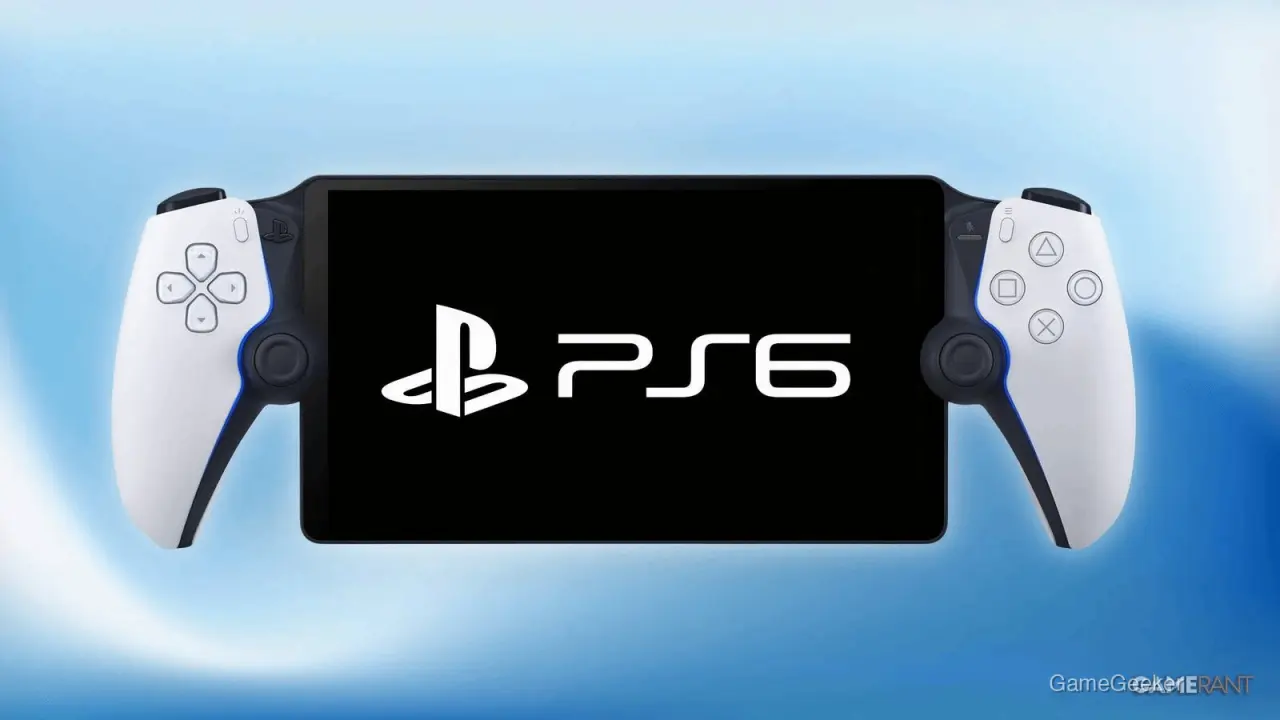
However, a low-end SKU isn’t completely impossible; it’s just that the direction may not be Canis. KeplerL2 mentioned that if Sony really wants to make a cheaper home console, the more reasonable approach would be to cut down the configuration of the home console model’s Orion APU. For example, a combination such as a 6-core CPU, 16 WGP GPU, 128-bit bus width, and 24GB of memory could theoretically reduce the hardware cost of each console by about 80 to 90 dollars. If the SSD capacity were further reduced to 512GB, costs could continue to go down.
Unfortunately, as a completionist, I’m already sighing at the mention of 512GB. These days, just a few large games, HD texture packs, and save backups can fill up storage like a JRPG backpack limit that’s never enough. Affordability is certainly important, but if saving money means making players delete games from day one, that experience doesn’t feel very next-gen—it feels more like repeatedly organizing your item inventory in front of an inn.

It’s worth noting that the article judges the Canis handheld will still be the cheapest way to enter Sony’s next-generation ecosystem. The real challenge for the home PS6 is how to keep the price in the 700-dollar range without significantly sacrificing performance. My advice is simple: if you want to connect to a TV, chase 4K, and play launch blockbusters, don’t rush to pin your hopes on a so-called Lite; if you care more about portability and price, the PS6 handheld actually makes more sense. At its core, this community debate isn’t about “whether Sony will be cheap,” but whether next-generation hardware can still please players, developers, and wallets all at once.





Commenti 0
Ci interessa la tua opinione
Partecipa alla discussione e condividi la tua opinione su questo gioco.
Ancora nessun commento. Scrivi il primo.