
Notizia
Grab two free PC games before Epic's clock runs out, while Undertale and Divinity: Original Sin 2 are 75% off
Astral Ascent and LUFTRAUSERS are free to keep today, while two of PC gaming's most celebrated RPGs cost less than $14 c
















In RGG Studio’s official program aired in the early hours of May 7, the most striking takeaway from its deep dive on STRANGER THAN HEAVEN (STH) was not familiarity, but separation. A lot of players instinctively started looking for links: is this a Like a Dragon spinoff, or some kind of prequel puzzle piece? Executive director Masayoshi Yokoyama answered that very directly in the interview: the game has “almost no” connection to the Like a Dragon series. More than any setting reveal, that line is the one worth dwelling on.
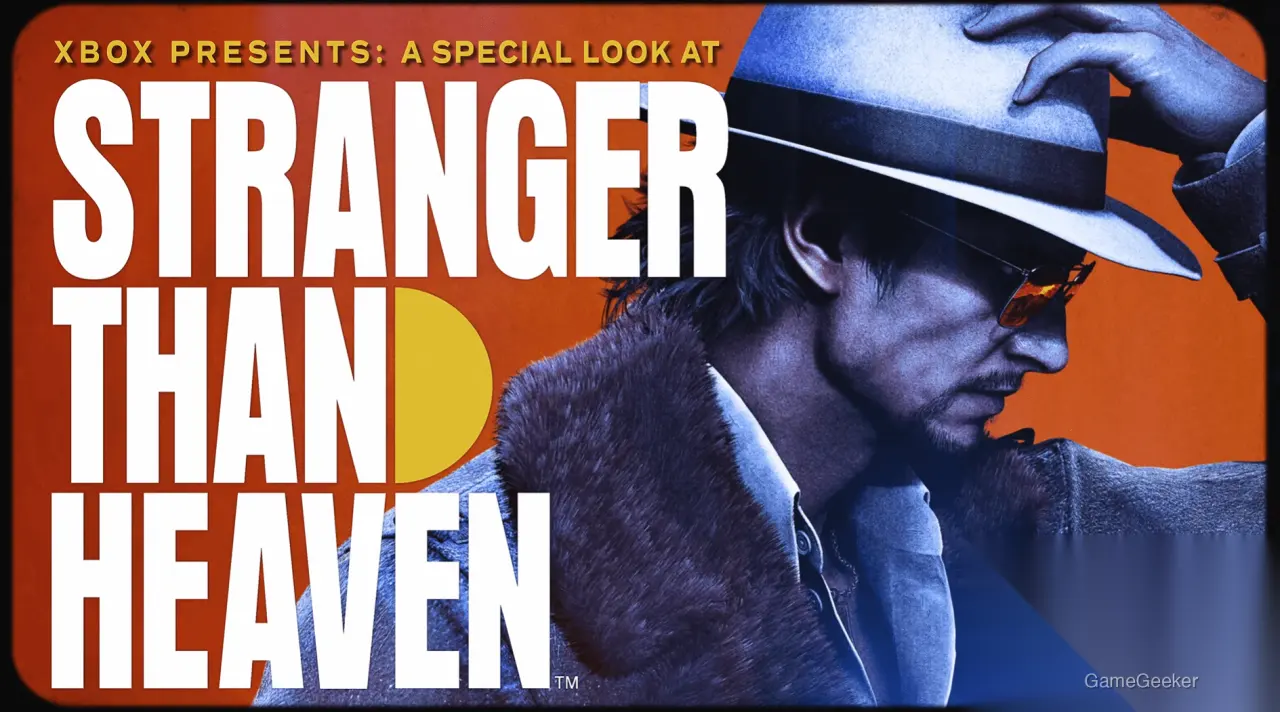
The reason is simple. RGG has built a very distinct creative identity over the years: intense human drama, district-based storytelling, and clashes between organizations and individual fate. So when a new project carries that same scent, players naturally try to fit it into the Like a Dragon universe. This time, though, Masayoshi Yokoyama and producer Hiroyuki Sakamoto were clear in their response: this is not a “hidden chapter” made for longtime fans, but a game that even people with no knowledge of Like a Dragon can jump into and enjoy.
That point matters. It suggests STRANGER THAN HEAVEN is aiming for more than the existing series audience, and is instead trying to reach a broader group of action-narrative players. RGG clearly is not content to keep making extensions that reward only those already in the know. It wants to place the dramatic storytelling it excels at inside a more self-contained framework. For the studio, that is both expansion and a test of risk: if the “Like a Dragon” flavor is deliberately toned down, will players still stay for the work itself?

Naturally, the easiest elements to misread are the ones that look most like crossover evidence. Sotenbori and the Omi Alliance will appear, so fans are bound to start connecting dots. Speculation around names like Shintaro Kazama also fits the way communities usually discuss these reveals. But Yokoyama’s stance was unambiguous: the presence of those elements does not mean the story is tied into Like a Dragon continuity. They exist simply because the period setting makes their presence natural, not because the game is deliberately linking itself to Like a Dragon plotlines. That is less a tease than an attempt to cool expectations early—don’t treat this like an easter-egg-driven lore hunt.
From the standpoint of current content-consumption trends, that stance is a smart one. Player communities are showing some fatigue with everything being turned into a shared universe, where every new release immediately gets dragged into timeline debates, character genealogy, and prequel-sequel mapping, while the new game itself ends up discussed the least. If STRANGER THAN HEAVEN really can shed that burden, the upside is obvious: a lower narrative barrier for newcomers, easier entry for new players, and a better chance for returning fans to focus again on the characters, atmosphere, and story progression.

So the verdict for two kinds of readers is straightforward. If you are a longtime Like a Dragon fan, don’t rush to pull out the magnifying glass and build a family tree. If you have never touched Like a Dragon, this is actually an encouraging sign worth watching. Based on what is known so far, the official message is stressing independence, not inheritance. Whether this new name can ultimately stand on its own will depend on future reveals. But at least today, STRANGER THAN HEAVEN has already done one important thing: it is not leaning on the shadow of Like a Dragon to speak. It is trying to speak for itself.




Commenti 0
Ci interessa la tua opinione
Partecipa alla discussione e condividi la tua opinione su questo gioco.
Ancora nessun commento. Scrivi il primo.