Notizia
Like a Like a Dragon Gaiden? RGG is trying something new with Illusion of Paradise
At Bilibili’s preview event, STRANGER THAN HEAVEN revealed new details, and Hiroyuki Sakamoto confir
















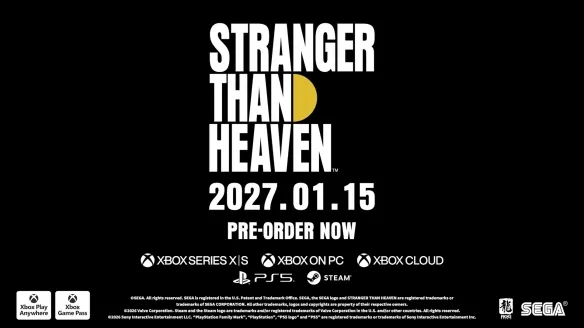
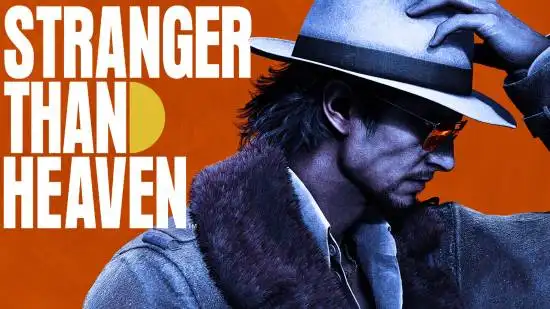
On May 7, 2026, SEGA’s Ryu Ga Gotoku Studio used the 30-minute “Xbox Presents: A Special Look at STRANGER THAN HEAVEN” to unveil a new trailer for Stranger Than Heaven, confirming a winter launch and day-one availability on Xbox Game Pass.
The volume of information here went far beyond a standard trailer drop. Studio head Masayoshi Yokoyama, producer Hiroyuki Sakamoto, and game director Mitsunobu Abe spent the full presentation outlining the world, core systems, and character relationships, making the pitch unusually clear: this is not a project leaning on familiar Like a Dragon energy alone, but a new IP trying to push scope, narrative weight, and system density at the same time. For players used to the studio’s street-level storytelling, the most distinctive hook is simple: the story spans 50 years.

Its lead, Daito Makoto, immediately stands out. He is Japanese-American, loses both parents at a young age, and in 1915 decides to stow away to Japan. From there, his life runs through five eras and five Japanese cities: Kokura, Fukuoka in 1915; Kure, Hiroshima in 1929; Minami Ward, Osaka in 1943; Atami, Shizuoka in 1951; and Shinjuku, Tokyo in 1965. That structure suggests a long-form character study rather than a single dramatic peak, with each period reshaping who he is. The 1929 Kure chapter already looks pivotal: Daito joins the yakuza Iwaki-gumi and earns the nickname “Red Ogre.”
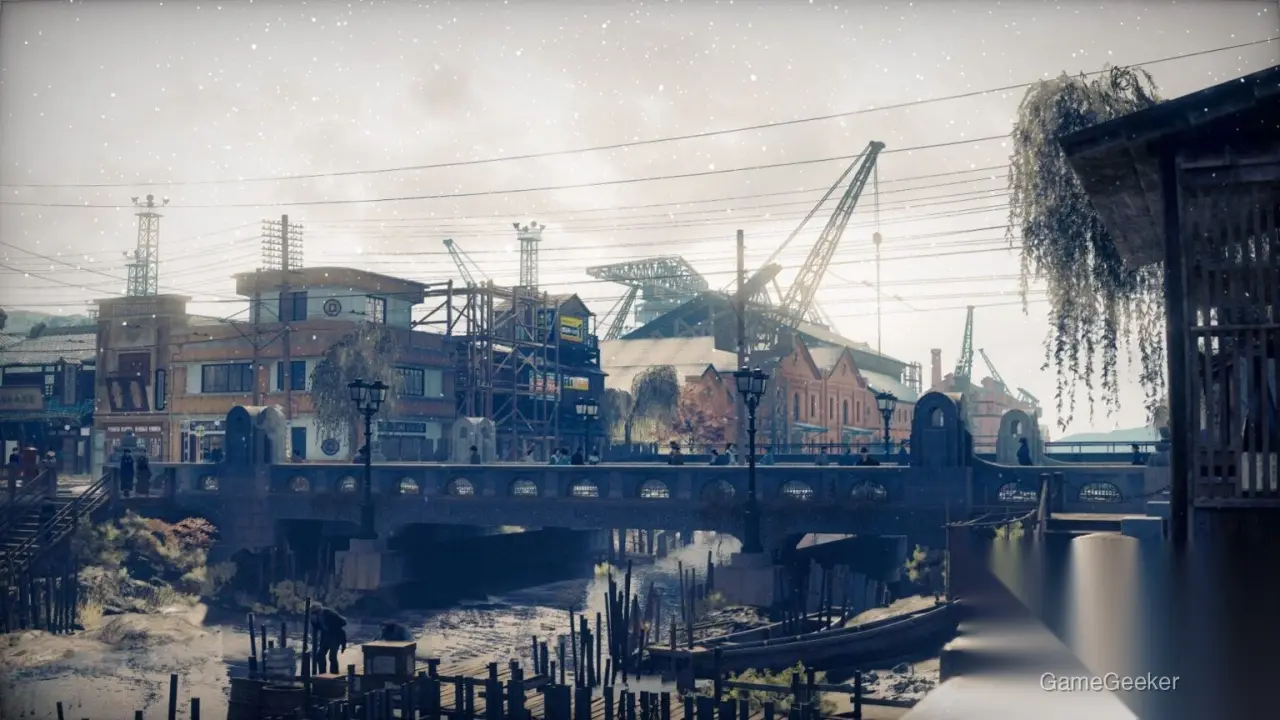
What matters more is that the period setting is not being treated as surface dressing. The newly revealed “Music Life” system lets players collect environmental sounds while exploring, store them in a sample library, and recombine them into original music. The game also includes management sim elements, asking players to organize performances, manage band members, build setlists, and scout new talent. That is an unusual mix for an action-adventure game, and it reads as more than a side activity. The design appears intended to fold a city’s atmosphere, character progression, and performance culture directly into the main loop.

The guest lineup is another major talking point. Snoop Dogg plays the smuggler Orpheus, while Cordell Broadus also appears in an important role. On the music side, J-Pop singer Satoshi Fujihara and American singer-songwriter Tori Kelly are both confirmed. Fujihara plays Takashi, who becomes a key ally to Daito, and Tori Kelly plays Suzy, an ambitious singer. Kelly and Fujihara also wrote the game’s theme song themselves. In a story-heavy game, crossover casting only works if the performances fit the setting, and at least from this reveal, Stranger Than Heaven seems to understand the tone it is aiming for.
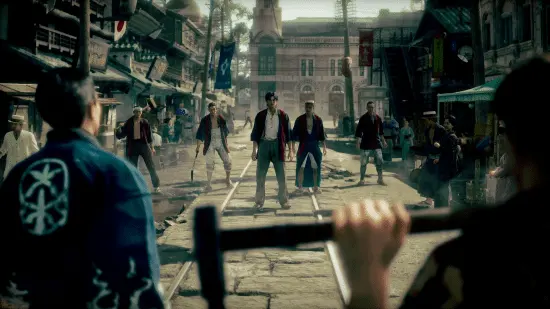
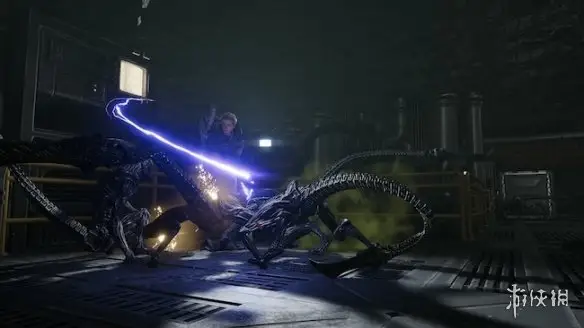
The clearest shot at differentiation, though, is the combat. Players control the protagonist’s left and right sides separately: RB+RT governs the right arm and right leg, while LB+LT handles the left arm and left leg. That input logic sounds far more dependent on rhythm and body coordination than a standard combo system, and it could make fights feel more demanding if the tuning holds up. The system also includes charge attacks, one-handed guarding and counters, dual-button rush attacks, contextual finishers, and even close-quarters brawling inside vehicles. Weapons include daggers, iron hammers, wooden mallets, Japanese swords, and “new inventions of the era,” with every weapon supporting upgrades and special abilities.

As for whether to jump in early, day-one access through Xbox Game Pass lowers the barrier significantly. For players already interested in Ryu Ga Gotoku Studio’s work, this is exactly the kind of release that makes sense to sample at launch, especially since both the split-body combat controls and the music-management systems feel like mechanics that need hands-on time before anyone knows whether they really click. Players more interested in collecting a permanent copy or replaying it over the long term may want to watch community response after the winter release instead, focusing on whether the shifts across five time periods feel smooth, whether the music systems have real staying power, and whether the left-right combat design asks too much from new players.
In the broader action-narrative space of the past few years, Stranger Than Heaven is not chasing identity through sheer spectacle or world size alone. It is trying to stand out with a half-century timeline, cross-era slices of Japanese cities, and a music-driven management layer. The most promising part is not a celebrity cameo or a weapon upgrade path. It is whether Ryu Ga Gotoku Studio can turn “one person’s fate across changing eras” into something genuinely playable. If that lands, this winter release could be more than just a new name with strong buzz.


Commenti 0
Ci interessa la tua opinione
Benvenuto! Raccontaci cosa pensi di questo gioco: chi arriva per primo potrebbe avere una sorpresa.
Ancora nessun commento. Scrivi il primo.